


 Yalinie Mathan
The washroom was cleaned on Monday. The bleach went in, the floor was mopped, the air freshener was topped up. By Thursday the smell is back.
So you do what most of us do. You buy something stronger, and for a day or two it works. Then the smell comes back again.
A stronger chemical only helps if the cause is dirt sitting on the surface. Research suggests that, in many washrooms, part of the cause is something else: microbes that live in the bowl and drains and feed on urine.
What may be growing there
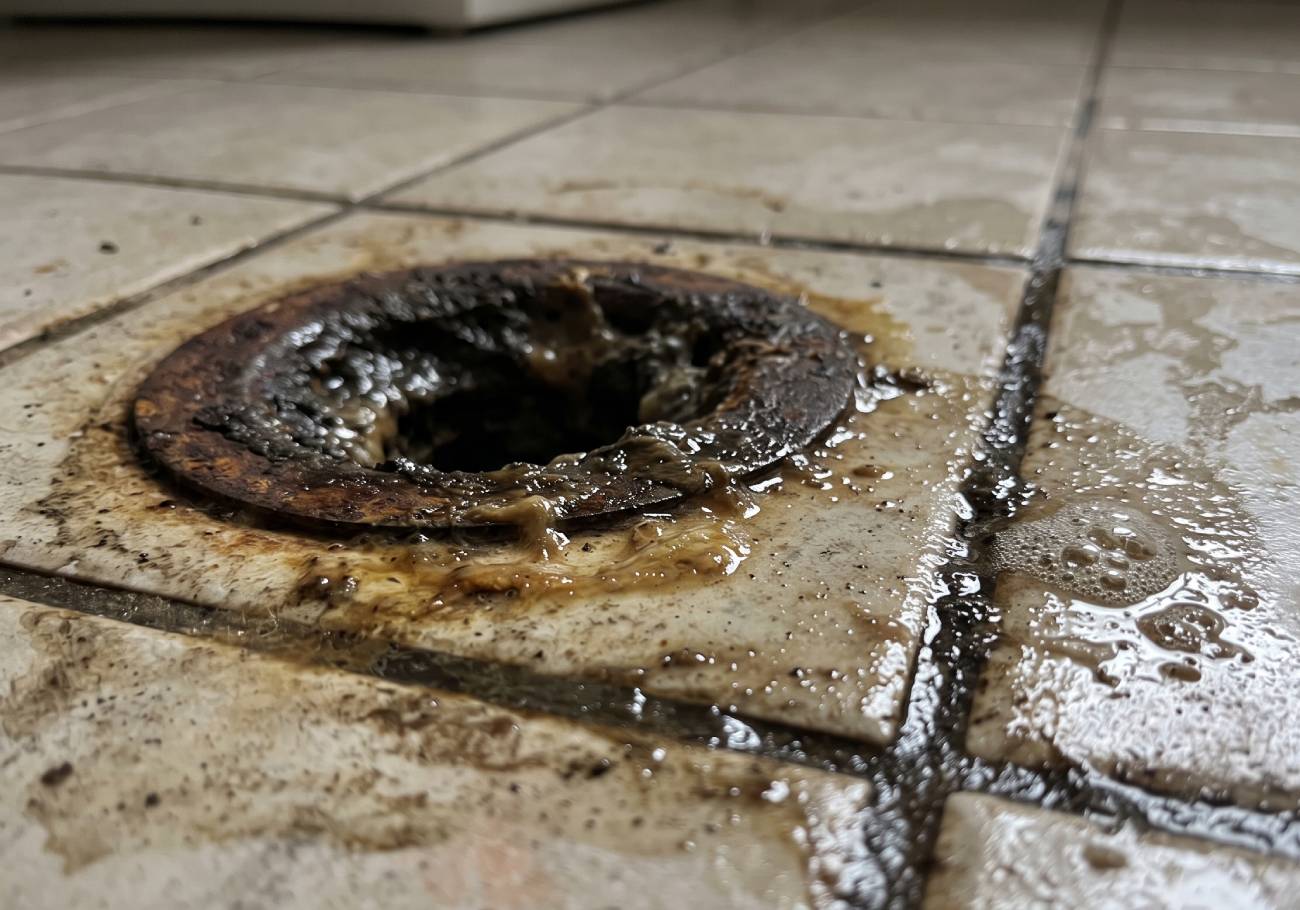
A 2010 study in Bioscience, Biotechnology, and Biochemistry by researchers at Hokkaido University, working with the cleaning company Saraya, looked at urolith, the stubborn yellow deposit that forms in toilet bowls.
The authors describe urolith as porous crystals of inorganic salts and organic compounds with many bacteria attached. They note that earlier work found it is not left-over faeces but forms from splashed urine and microbial activity.
The researchers then studied one bacterium isolated from a toilet bowl. This strain had high urease activity: it split urea, which is abundant in urine, into ammonia, and the ammonia raised the pH.
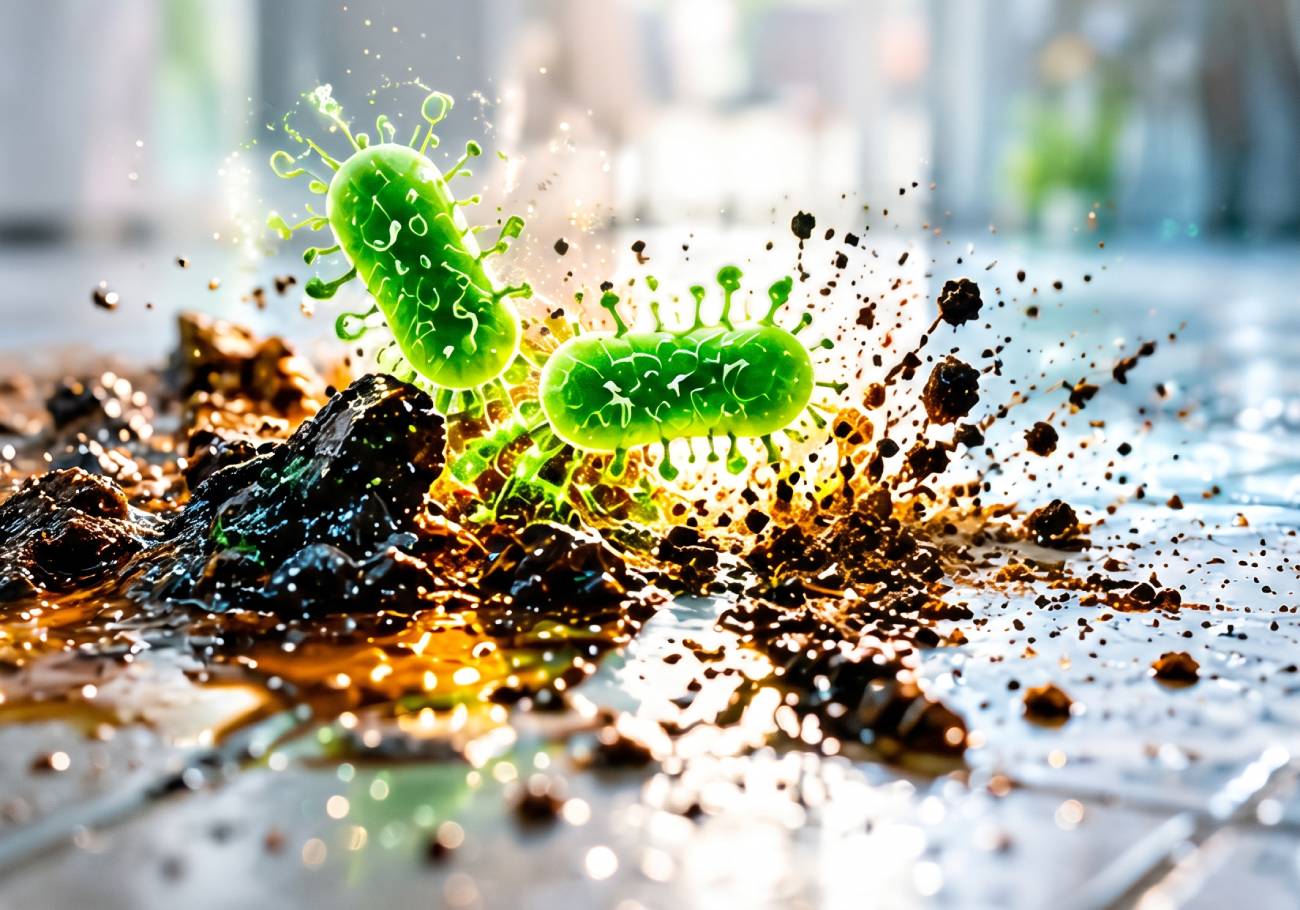
In artificial urine it formed a substantial biofilm, and crystals developed alongside it that preliminary analysis suggested were made mainly of calcium, magnesium and phosphate. In the lab, urea was what prompted this strain to attach to surfaces.
The authors note that urolith contains odorous chemicals, including ammonia, organic acids, alcohols and sulphides. This was one strain tested under laboratory conditions. It shows how microbes can contribute to deposits and odour, but it does not show that every recurring washroom smell has the same cause.
If microbes are part of the cause, daily exposure to urine gives them a steady supply of food. That would help explain why an odour can return soon after cleaning.
Why chemicals alone can fall short
A biofilm is not just a collection of bacteria. The cells sit inside a matrix of polysaccharides, proteins, lipids and DNA that they build themselves.
A 2015 review in Frontiers in Microbiology describes how that matrix can affect disinfectants. Chemicals that work well on free-floating bacteria “may encounter diffusion-reaction limitations through the matrix of polymers,” so they may “hardly reach the deepest layers of the biofilm in their active form.”
The review says tolerance has several causes that often act together. It notes that contamination has been reported “despite frequent and intensive cleaning and disinfection procedures,” and describes small groups of “persister” cells that are highly tolerant to biocides.
In plain terms, biofilms can be harder to remove than free-floating bacteria, and routine cleaning does not always clear them. How well any product works depends on the organism, the product and the conditions.
That is one reason a surface that looks clean can smell again. Odour can also come from other sources, including drains, trapped moisture and plumbing faults, so any fix should start by looking at all of them.
A different approach: reduce what the microbes feed on
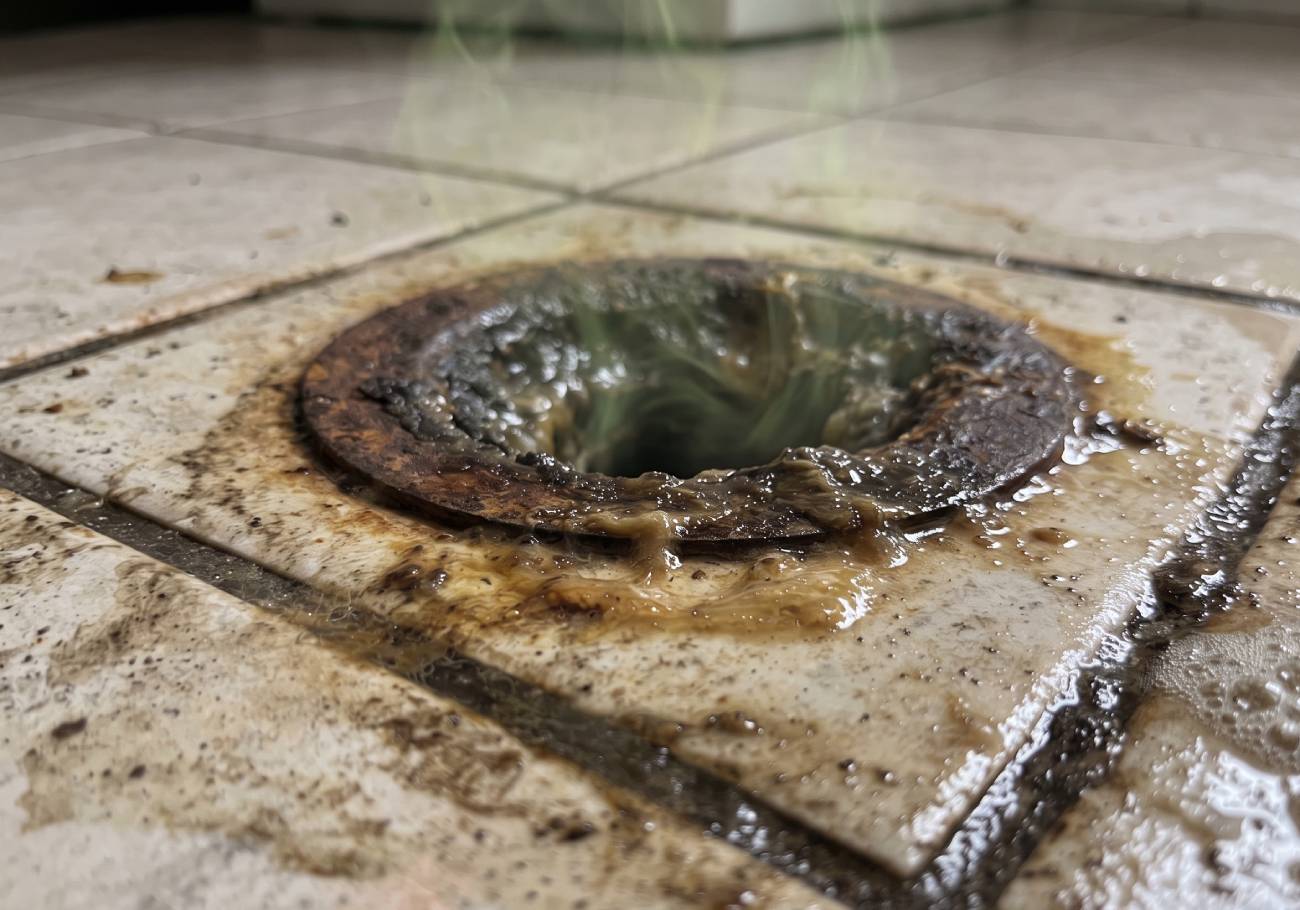
If microbes feeding on organic soil are part of the problem, one approach is to reduce that soil by breaking down urine residue, grease and organic matter, instead of only covering the smell.
The idea has been tested outside the washroom. In a 2018 pre/post study in PLOS ONE across six Italian hospitals, one specific Bacillus-based sanitation system replaced chlorine-based cleaning on internal medicine wards.
It was associated with a mean 83 per cent reduction in surface pathogens, a drop of up to 2 log (100-fold) in drug-resistance genes on surfaces, and a fall in reported healthcare-associated infections from 4.8 per cent to 2.3 per cent.
Results varied by hospital: two of the five intervention hospitals did not show a significant reduction in infections. The authors attribute the effect to “competitive antagonism,” in which the added microbes occupy the space and crowd out harmful ones, and say it takes time to stabilise.
That study tested a different product and was funded by the system’s manufacturer, so it says nothing directly about Bumi Emas. It suggests that a microbe-based approach can reduce surface contamination in at least some settings.
How Bumi Emas does it
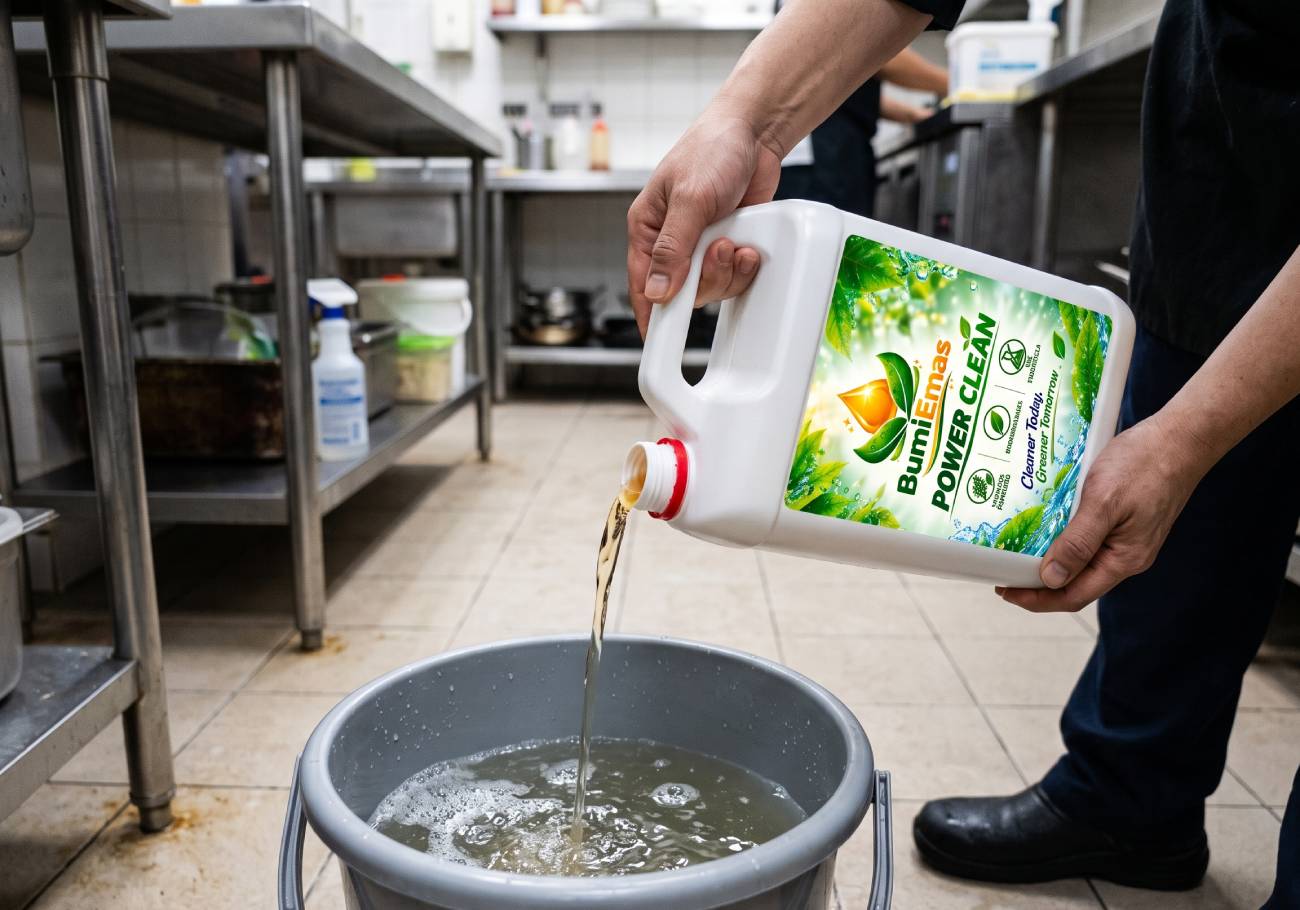
Bumi Emas, made in Malaysia, uses this approach. Its water-based cleaners are made from microbial cultures, molasses and natural plant extracts.
The molasses keeps the cultures alive in the container, and they become active when they meet the soil they are meant to digest.
According to the product data sheets, the microbes break down uric acid, organic residue and tough stains in the bowl and in the trap below, and they keep working in the drain between cleans.
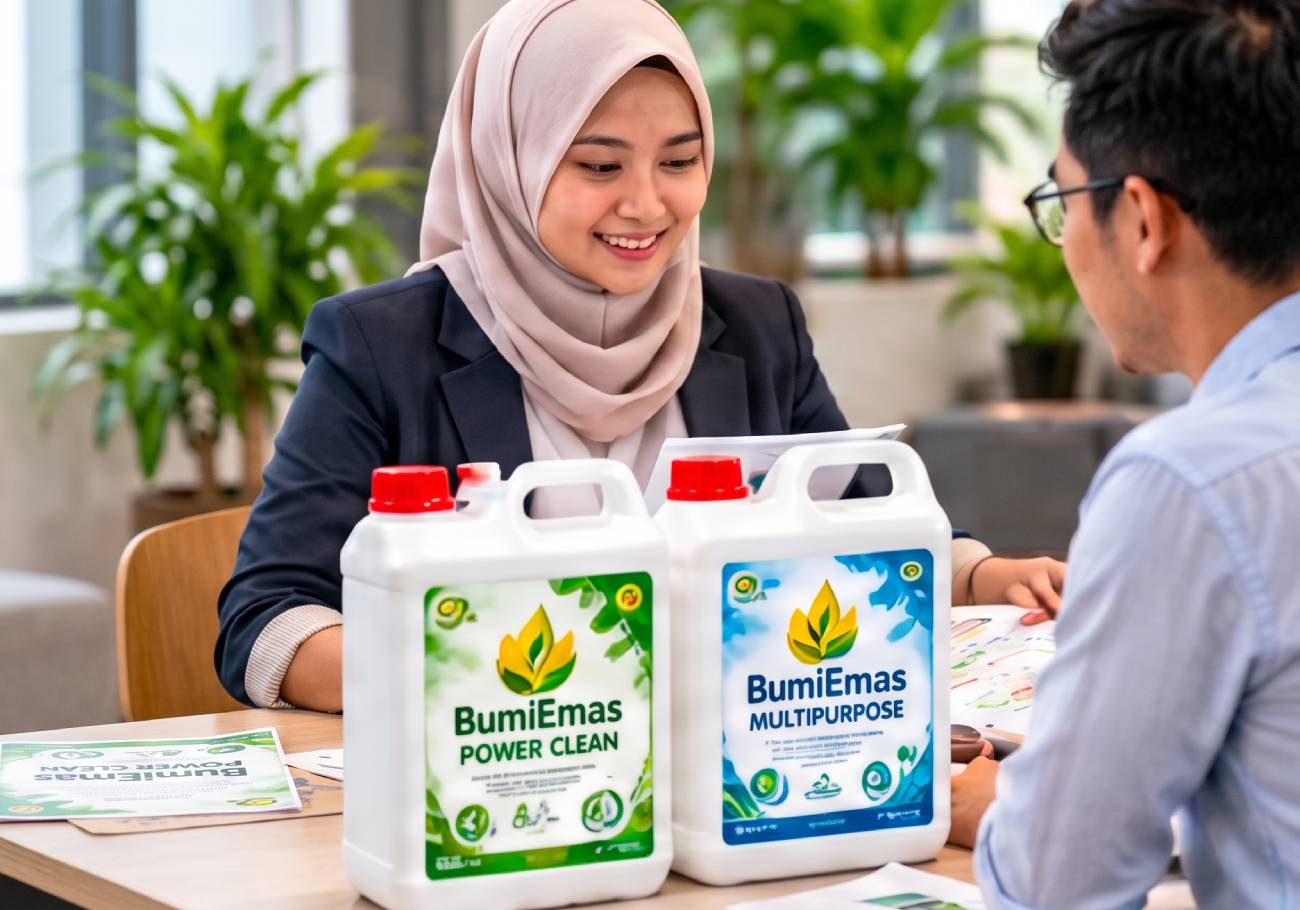
Power Clean is for toilet bowls, urinals and washroom drains. Multipurpose is for floors, kitchens, tiles, walls, glass and worktops, with a light citrus scent from lemon, lemongrass and neem extracts.
Neither contains chlorine, phosphates, synthetic solvents or synthetic surfactants, and Power Clean contains no mineral acids. Both are classed non-hazardous under Malaysian GHS.
Bumi Emas is also clear about the limit: these products are not disinfectants. Where your protocol requires a registered disinfectant or sanitiser, keep using one alongside them.
For larger organisations: the ESG question
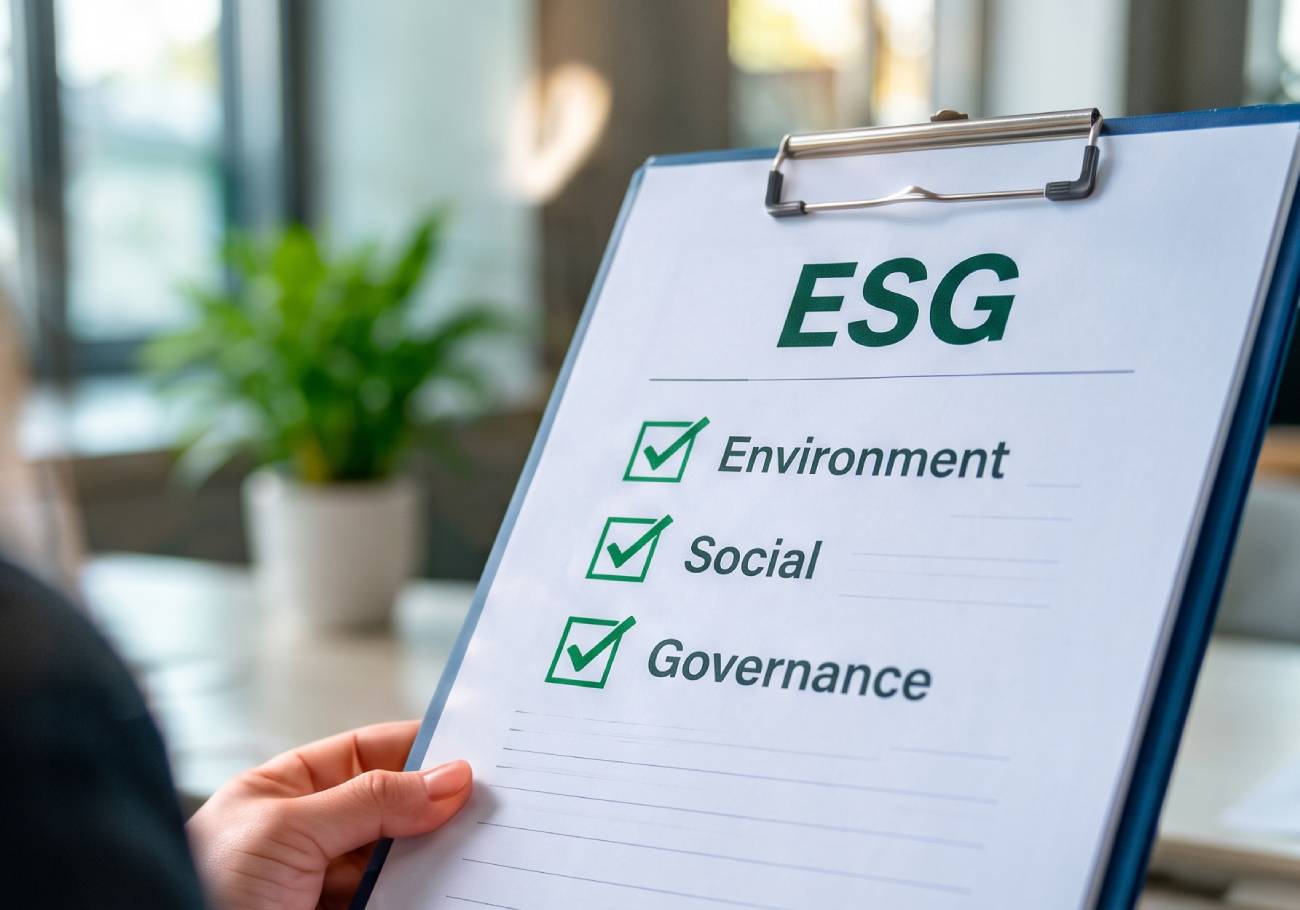
For a bigger organisation, this is also a reporting question. Under Malaysia’s National Sustainability Reporting Framework, aligned with the ISSB’s IFRS S1 and S2 standards, Main Market companies with a market capitalisation of RM2 billion and above began phasing in climate-related sustainability reporting from 2025 (IFRS Foundation profile, Malay Mail).
Other Main Market issuers follow from 2026, and ACE Market and large non-listed companies from 2027. Assurance of Scope 1 and 2 emissions for the largest group is planned from 2027.
A cleaning product is a small line in a sustainability statement, but it is one that tenants, owners and auditors can check.
Bumi Emas gives them something to check: no chlorine or phosphates, Multipurpose tested for biodegradability to OECD 301, products suitable for drains and septic tanks, and no dangerous-goods paperwork or segregated chemical store.
The on-site service ends with usage records you can use in ESG reporting.
Show them your worst area
Bumi Emas starts with a site visit, not a brochure. The team walks the building, maps the surfaces, and recommends which product goes where, at what dilution, and what it replaces. Your cleaners and supervisors are trained on site, and the team returns to check and adjust.
The invitation is simple: show them the area that smells the worst.
Book an on-site demo: WhatsApp or call 016-662 2253, or email [email protected].
Bumi Emas is distributed by Illios Associates Sdn Bhd, Petaling Jaya, Selangor.
Sources
- Oki et al., “The Role of Urease Activity on Biofilm Formation by Staphylococcus sp. T-02 Isolated from the Toilet Bowl”, Bioscience, Biotechnology, and Biochemistry, 2010
- Sanchez-Vizuete et al., “Pathogens protection against the action of disinfectants in multispecies biofilms”, Frontiers in Microbiology, 2015
- Caselli et al., “Reducing healthcare-associated infections incidence by a probiotic-based sanitation system”, PLOS ONE, 2018
- Vandini et al., probiotic-based cleaning and microbial load on hospital surfaces, 2014 (abstract)
- IFRS Foundation, Malaysia jurisdictional profile, updated 12 June 2025
- Malay Mail, “Bursa Malaysia’s RM2 billion companies to adopt sustainability reporting framework by 2025”, 24 September 2024
- Bumi Emas product, safety and service pages (staging site). Product claims are from the safety data sheets, version 30 June 2026.


 Admin
Admin
 Sashidaran Gunathevan





Add comment