


 Sashidaran Gunathevan
STR 2027 applications opened online on 15 October and stay open all year, the official portal says. New applicants can start on the Sumbangan Tunai Rahmah site with MyDigital ID.
People who have not updated for three years in a row must update this time. Others may need to if their situation has changed.
Here are the dates, the update rules, the Budget 2027 figures and what the official pages have not yet confirmed.
STR 2027 applications: dates and where to apply
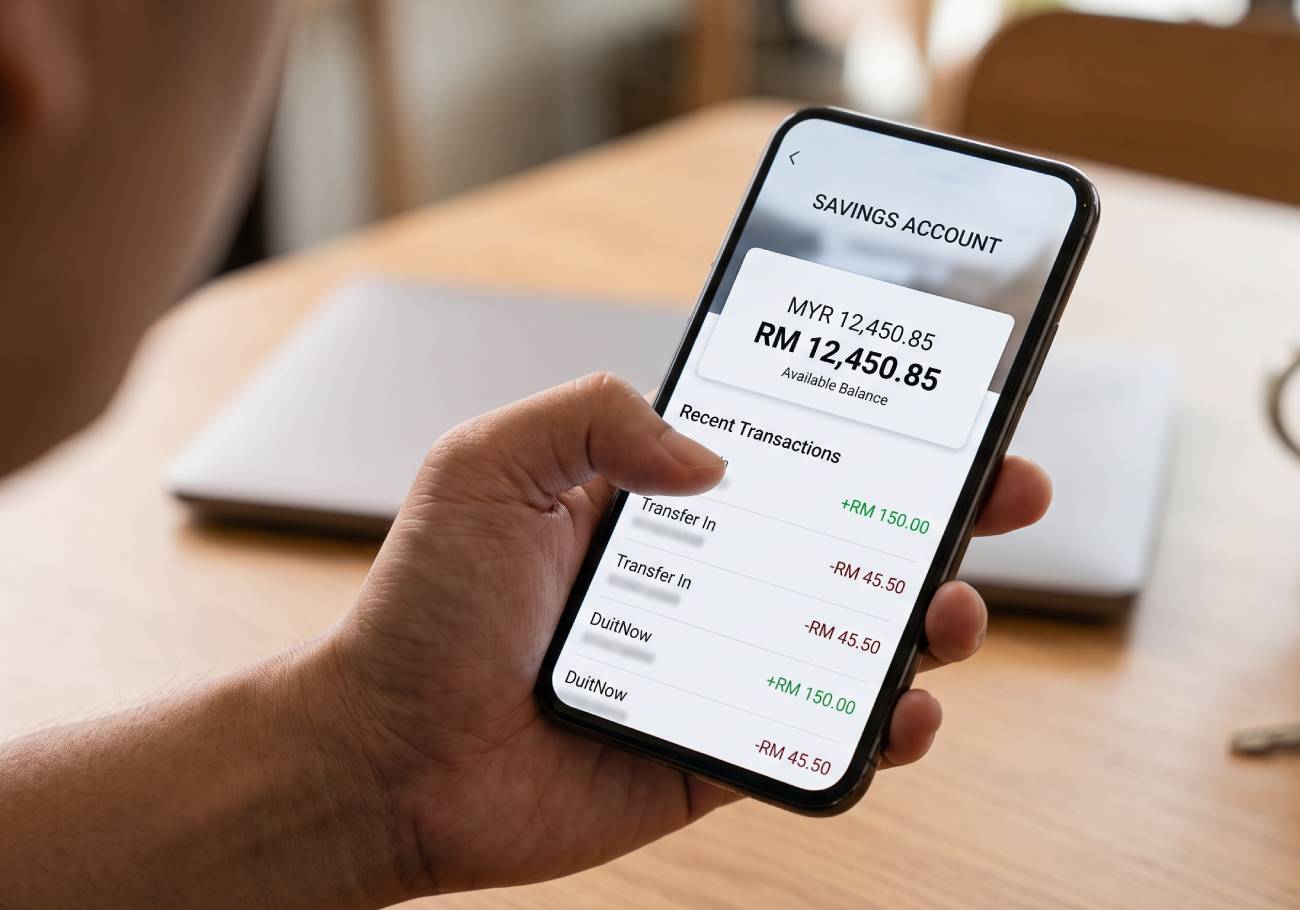
The official portal says STR 2027 applications are open all year from 15 October 2026. It gives no closing date.
Applicants can choose “Teruskan Permohonan Baharu” on the portal and log in with MyDigital ID. Existing users can log in to their current account, Newswav reported. RinggitPlus reported that MyDigital ID is optional.
The portal links four forms. BK-01 and BK-02 cover applying and updating, BK-04 covers supporting documents and BK-05 covers cancelling. It also links guides for new applications, updates and MyDigital ID.
HASiL, also known as LHDN, handles applications. You can apply on paper at its offices, HASiL Satelit and Urban Transformation Centres (UTC), the counter schedule shows. Newswav and RinggitPlus said this began on 1 October. The portal does not state that date.
Most counters open Monday to Friday, 8.30am to 4.30pm, and close on weekends. Hours differ in some states and may change.
Newswav said to keep supporting documents ready in case HASiL asks. RinggitPlus said to bring your MyKad and documents to a counter. The portal does not list them.
RinggitPlus also said HASiL does not accept emailed forms. It said that if you apply on paper, you cannot update the same application online until it is approved.
For help, call 1800-88-2747 or the Finance Ministry on 03-8882 4565 or 4566. Lines are open from 9am to 5pm. The email is [email protected].
Beware of scams. The portal’s October warning says HASiL does not offer STR services through field officers. It has not named anyone to answer STR queries on WhatsApp or personal phones. It also says applying, updating and checking status cost nothing.
Who must update STR 2027 details
The portal says applicants who have not updated for three years in a row must update.
Newswav gave the years as STR 2024, 2025 and 2026. The portal does not state them for 2027.
Newswav said you do not need to update if nothing has changed and your record is valid. You should update if your income, marital status or bank account has changed.
You also need to apply if no record exists for you, it said. Last year, elderly applicants and people in interior areas did not have to follow the three-year rule.
The 2027 pages do not say if that exemption still applies. Ask the hotline if you fall into either group.
Majalah Pa&Ma lists the groups covered. They include low-income households, a household income band of RM2,501 to RM5,000, elderly people without a partner and singles. It gives no criteria.
RinggitPlus reported income limits of RM5,000 a month for households and RM2,500 for singles. It said singles must be 21 or older in 2027. We did not find these limits on the portal pages we read.
The portal gives no Phase 1 deadline. However, the counter schedule says weekend counters open on 14 and 15 November, the last week of Phase 1. RinggitPlus expects the update period to run until November. Neither is an official deadline.
What is still unconfirmed about STR 2027 payments
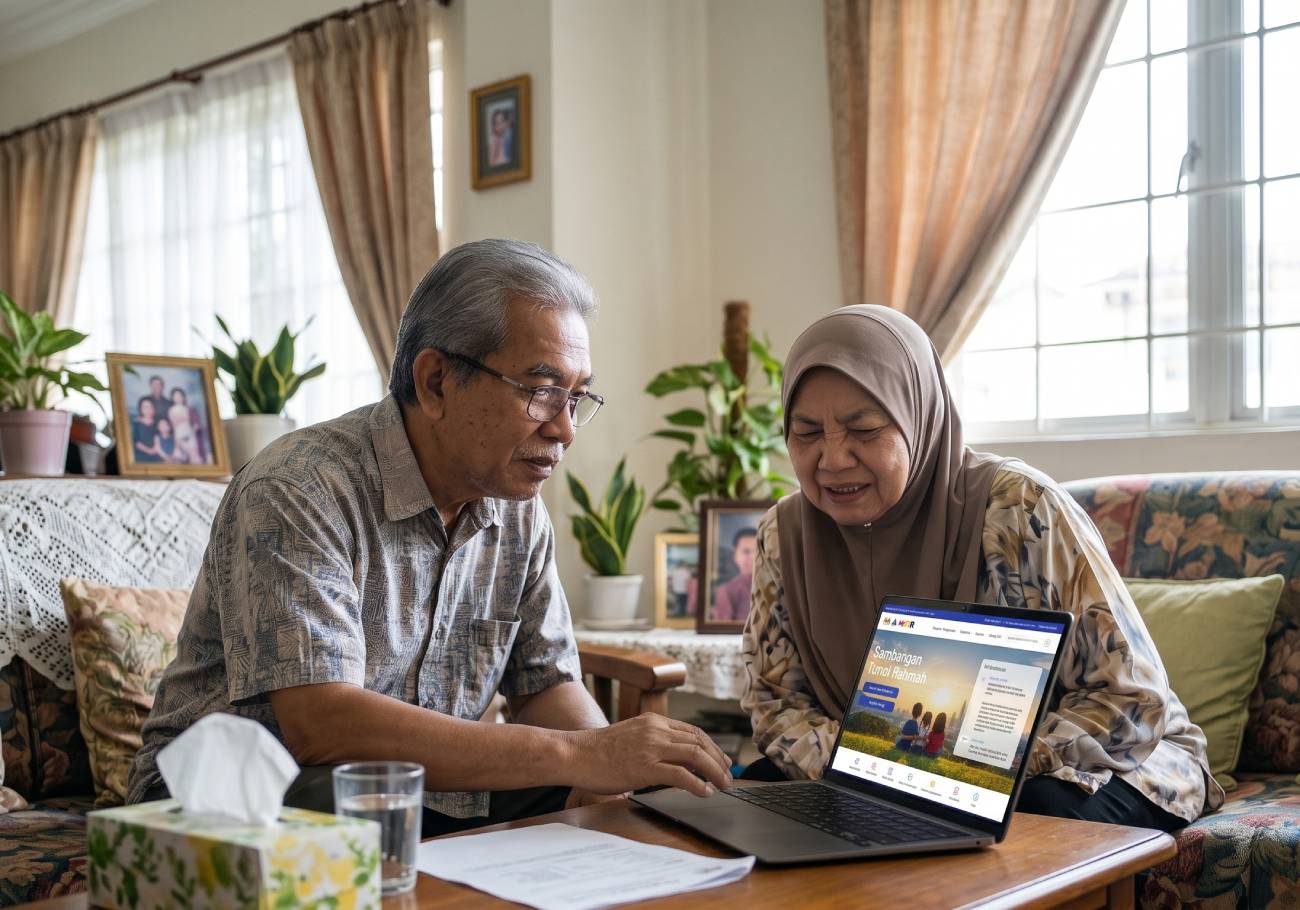
The official pages give no cash amounts yet. The portal’s latest-information section was empty when we checked on 23 October. Newswav said the figures online are not final.
Some sites publish tables of cash amounts by category. They come from Budget summaries, not from an STR notice. We have not used them.
The Budget gave some figures. On 9 October, Prime Minister Dato Seri Anwar Ibrahim said STR and SARA funding rises to RM16 billion from RM15 billion, The Star reported.
He said every STR recipient will get SARA of up to RM150 a month, RTM reported. That is RM1,800 a year. SoyaCincau said the amount depends on the recipient’s category. No breakdown has been published.
Bernama reported that SARA is credited to your MyKad for use at participating shops. Adults aged 18 and above who do not get STR will receive SARA Madani of RM100 twice in 2027. The first comes before Hari Raya Aidilfitri and the second before the 70th National Day.
Payment dates for 2027 have not been published either. Last year, the first phase began on 20 January and the second on 10 March, the portal’s 2026 notice shows.
No 2027 equivalent is up yet. Treat any payment date online as unconfirmed until the portal says otherwise.
The reports also give no 2027 dates for status checks or appeals.

 Maran Perianen
 C. Khor


Add comment