

 C. Khor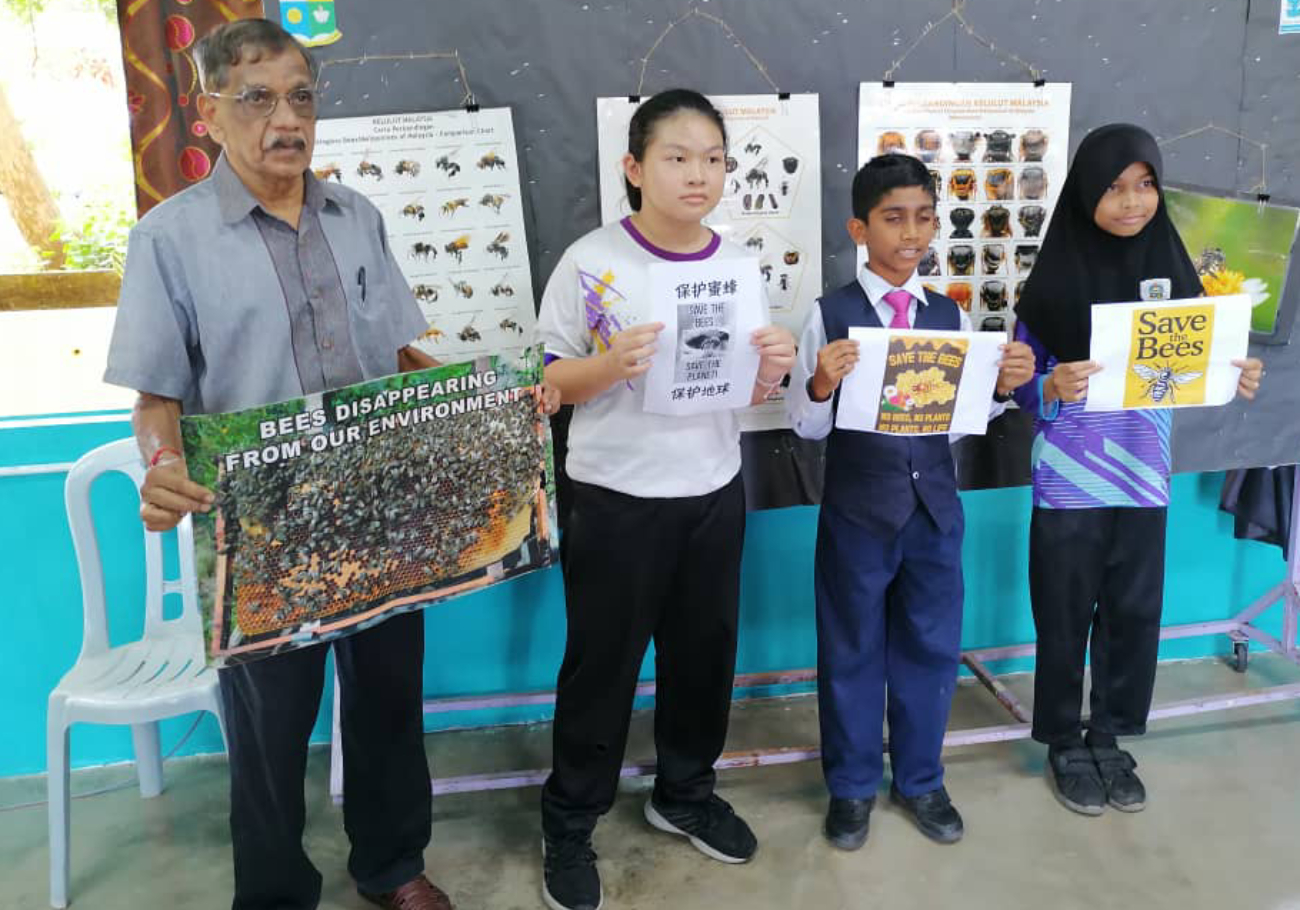
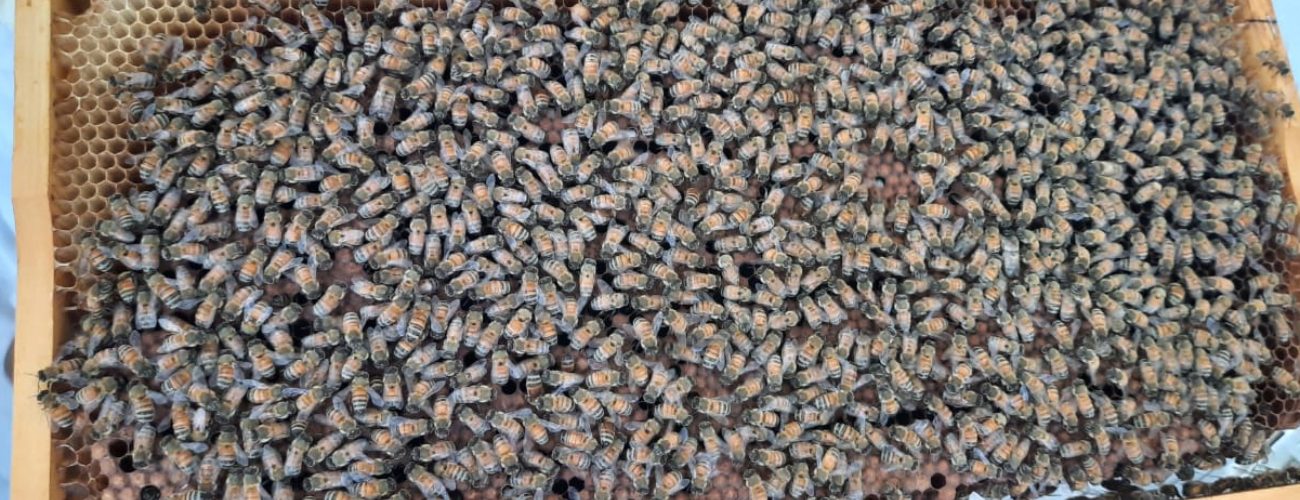
The Consumers Association of Penang (CAP) is buzzing with concern about the declining bee population in Malaysia.
To raise awareness, CAP held a special program for 100 primary school students in conjunction with World Bee Day on May 20th.
A cause for alarm: Disappearing buzz

N.V. Subbarow, a senior education and environmental officer at CAP, shared sobering statistics with the students.
“The bee population in Malaysia is classified as endangered, with a staggering 42% decline,” he stated.
“We rarely find beehives these days, and traditional beekeepers confirm a drastic decrease in bee colonies.”
Subbarow emphasized the critical role bees play in our ecosystem. “These hardworking insects are vital for plant pollination,” he explained.
“Without bees, plants wouldn’t produce fruit, impacting a significant portion of the world’s food supply.
It’s estimated that 90% of global nutrition relies on bee pollination, including 70 out of the top 100 crops we consume.”
The culprits behind the bee decline
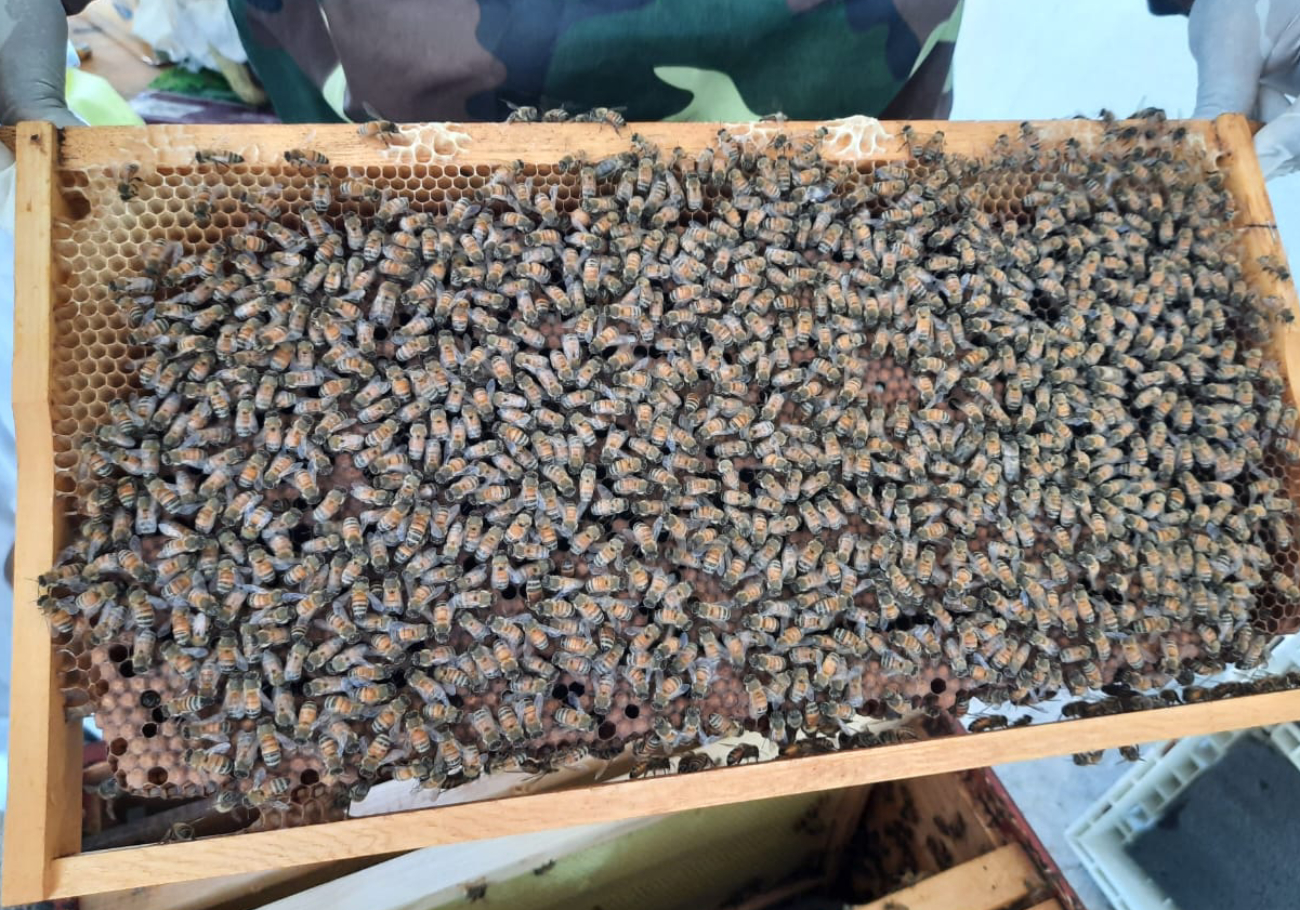
Several factors contribute to this alarming trend.
“The widespread use of pesticides and synthetic fertilisers poses a major threat,” said Subbarow.
“These chemicals disrupt bees’ nervous systems and memory, causing them to lose their way back to their hives.”
Land development practices are also a concern.
“Habitat loss for pollinators is a significant issue,” he pointed out.
“The way we develop land destroys bee-friendly environments, further jeopardising their existence.”
CAP urges everyone to take action. Subbarow suggests supporting organic farms, which promote biodiversity and provide a healthier environment for bees.
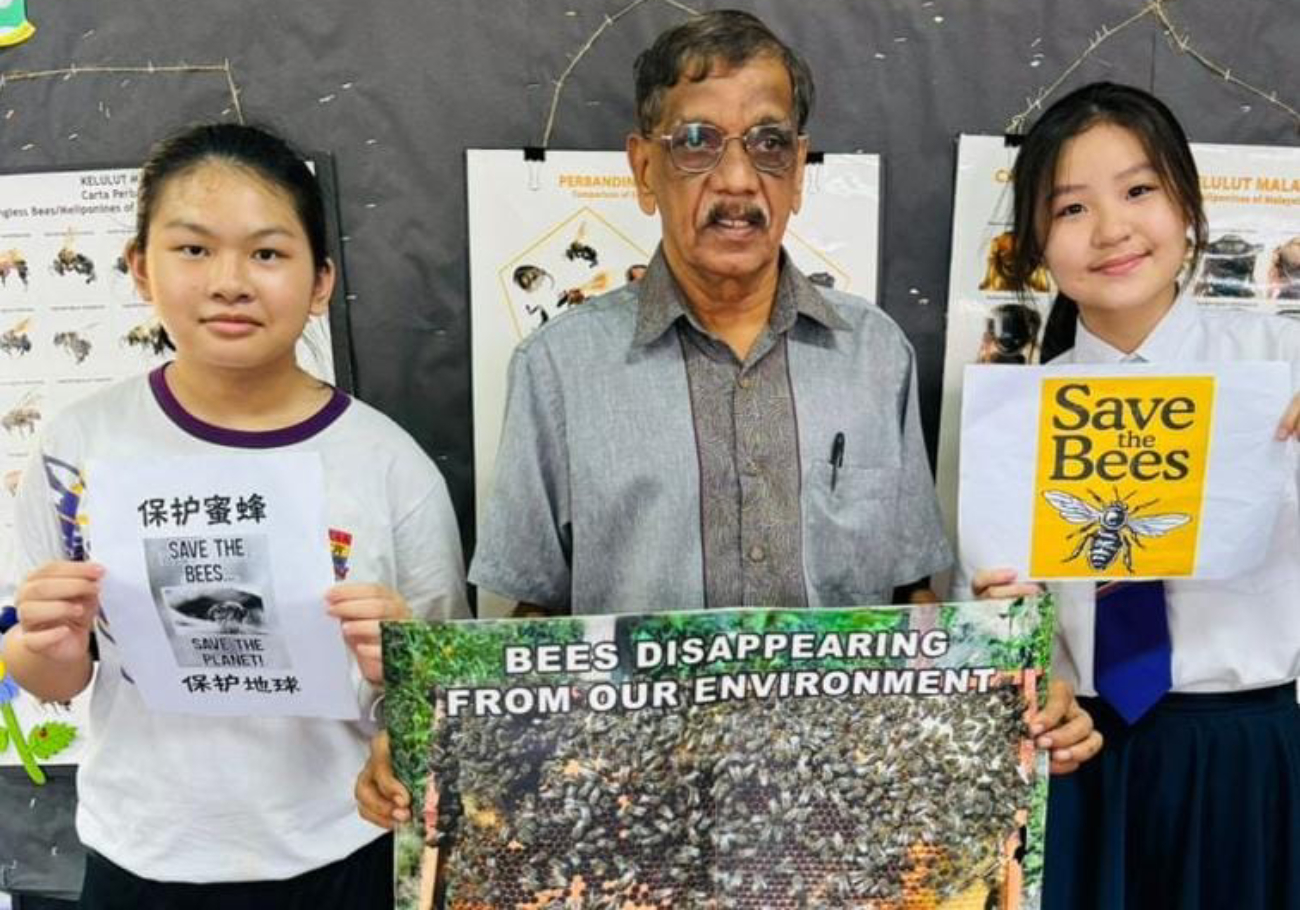
“Individuals can also plant their own food gardens free from pesticides and fertilisers,” he added.
“Choosing flowering plants like vegetables, fruits, and herbs can attract bees and encourage pollination.”
The consequences of bee extinction are dire. “Without bees, humans wouldn’t survive for more than four years,” Subbarow warned.
“Their role in pollination is essential for food security.”
CAP’s awareness program is a crucial step in educating future generations on the importance of bee conservation.
By understanding the threats and taking action, we can ensure a future where bees continue to thrive and our food supply remains secure.


 Admin
Admin

 Maran Perianen