


 Admin
AdminKnee replacement surgery is often associated with concerns about post-operative pain, infection, recovery time, and implant longevity.
Despite these fears, surgical procedures in Malaysia have advanced significantly from conventional to computer-assisted and the latest robotic-assisted surgery, providing greater precision, safer and cost-effective over time.

Oriental Melaka Straits Medical Centre (OMSMC) has recently adopted the VELYS™ Robotic-Assisted Solution, an imageless system that enables surgeons to map the patient’s knee in real time without requiring additional CT scans.
Its Consultant Orthopaedic and Trauma Surgeon, Dr. Vincent Lim Li Aik, said patients typically seek specialist care only when knee pain begins to interfere with daily activities such as walking, climbing stairs, or standing for long periods.
“A painful knee causes poor joint function. When it affects daily activities, it affects the quality of life, hence, patients should consider seeing a specialist early,” he said.

With robotic-assisted technology, surgeons can personalise surgical planning and perform precise bone preparation while preserving surrounding soft tissue. This improves implant alignment and supports better functional recovery.
Robotic arm enables faster, precise knee surgery
Total knee replacement surgery once required bulky and multiple instruments can now be performed with just a single robotic arm. With polished skills, this surgery can be performed in a shorter surgical time. Short surgical time is crucial. Robotic surgery contributes to lesser blood loss during surgery, shorter surgery time , less after surgery pain and faster recovery period.
“The robotic system assists the surgeon by providing real-time data and a clearer view of the knee’s anatomy. It enhances precision but does not replace the surgeon, our experience remains crucial in achieving good outcomes,” Dr Lim added.
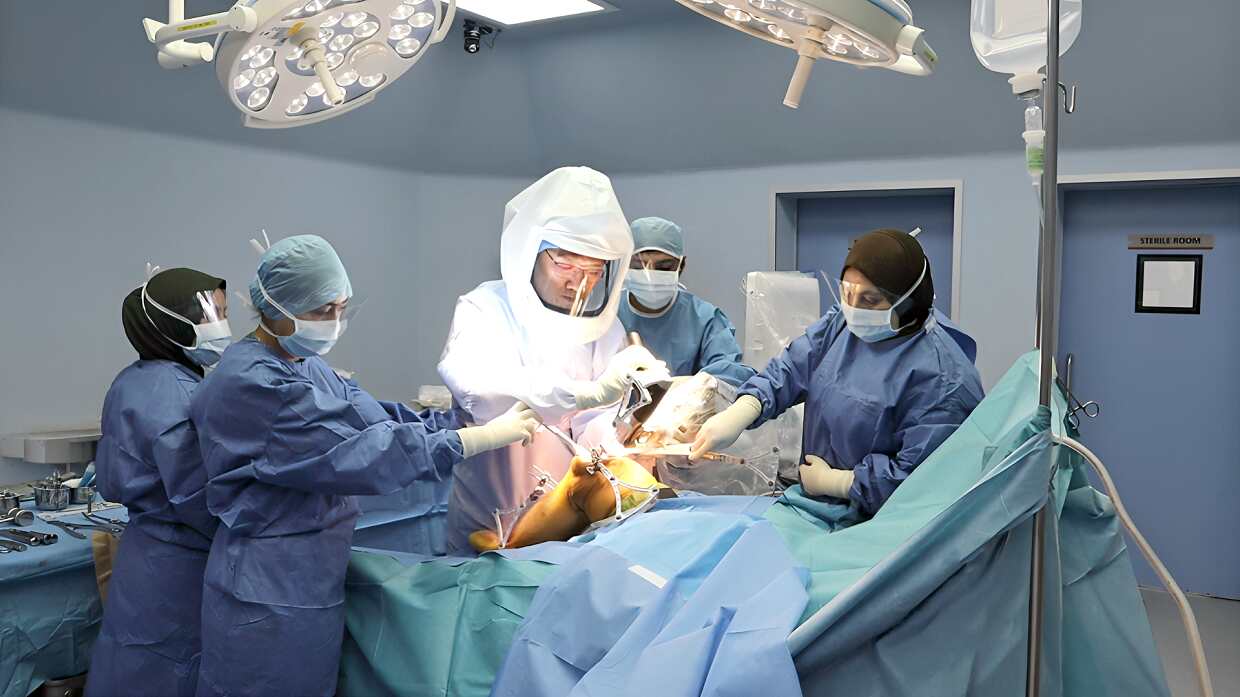
Robotic-assisted knee replacement builds on earlier computer-assisted navigation techniques, further improving consistency and reproducibility. These advancements support faster recovery, improved joint function, and potentially longer implant lifespan.
As knee osteoarthritis becomes more common due to aging, obesity, and active lifestyles, robotic-assisted surgery offers patients in Melaka access to advanced treatment closer to home.
These developments illustrate how knee replacement surgery in Malaysia has evolved, combining modern surgical techniques with robotic assistance to enhance outcomes, support faster recovery, and maintain the central role of the surgeon’s expertise.


 C. Khor
 Maran Perianen
 Yalinie Mathan






Add comment