


 CJMY
CJMY
A new digital platform, SPKita, has been launched to map locations, stories and community spaces across Seberang Perai, offering residents a way to contribute local knowledge to an online, interactive database.
Developed by Citizens Journal Malaysia in collaboration with Think City, the website allows users to submit points of interest ranging from food stalls to cultural landmarks. The platform is accessible at spkita.my and covers the mainland side of Penang.
SPKita sits within Think City’s broader Levelling Up Seberang Perai programme (LUSP). LUSP is a multi-phase initiative implemented by Think City with support from the Ministry of Finance, the Penang State Government, and the Seberang Perai City Council. LUSP adopts a place-based, community-led approach to strengthening Seberang Perai’s towns, coastal areas, and local economies through environmental stewardship, heritage activation and grassroots initiatives.
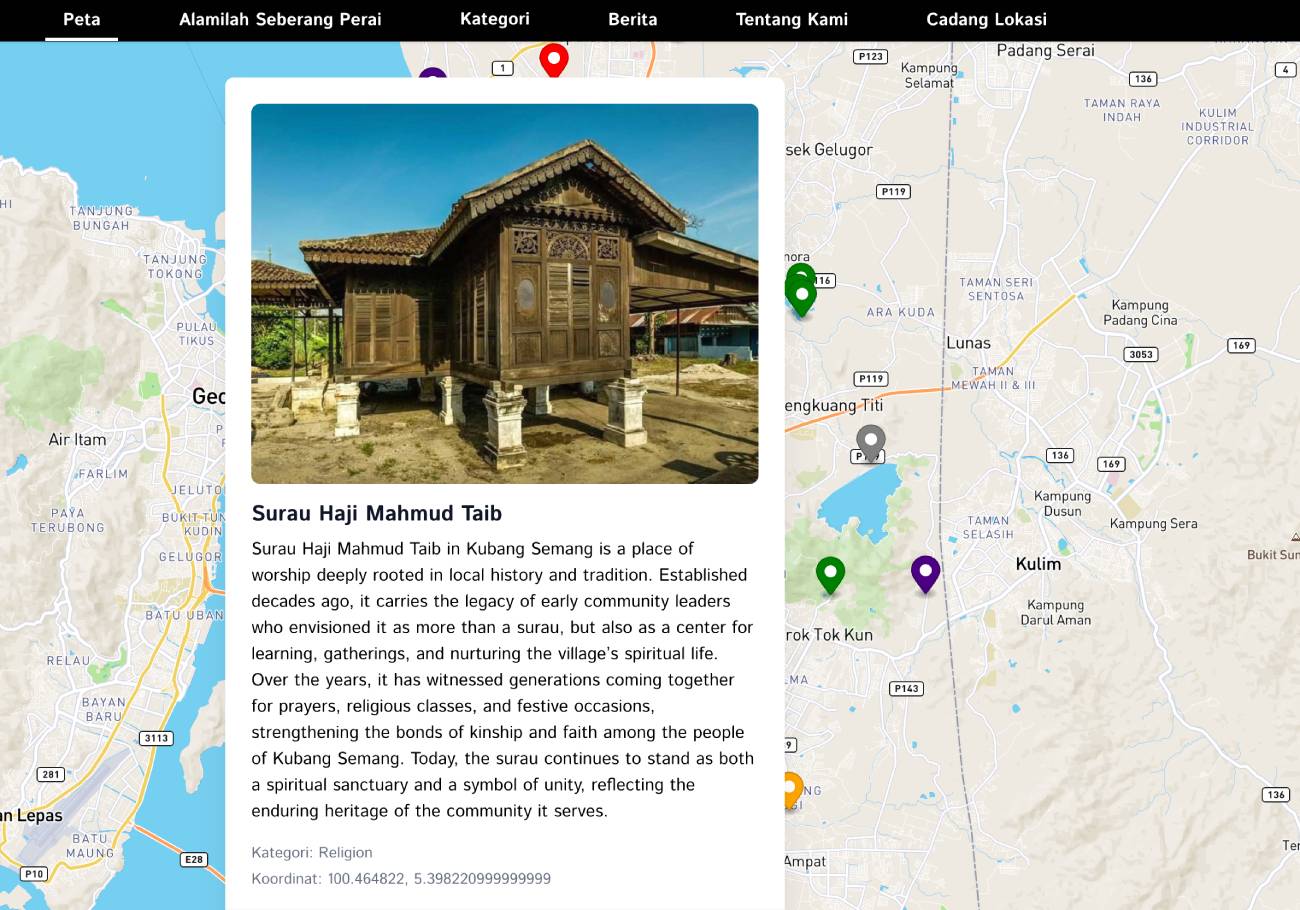
SPKita is one of 65 catalytic community-led projects under LUSP aimed at seeding and strengthening cultural and ecological landmarks of Seberang Perai, while building capacity of more than 1,200 residents including fishermen, women, community farmers, heritage conservators, artisans, craftsmen and entrepreneurs.
Project representatives say the initiative addresses what they describe as a visibility gap between Seberang Perai and the island’s capital, George Town.
Citizens Journal editor Maran Perianen described SPKita as a step forward for citizen journalism, saying it allows residents to share local information more widely. He added that the platform could contribute to tourism and local economic activity.
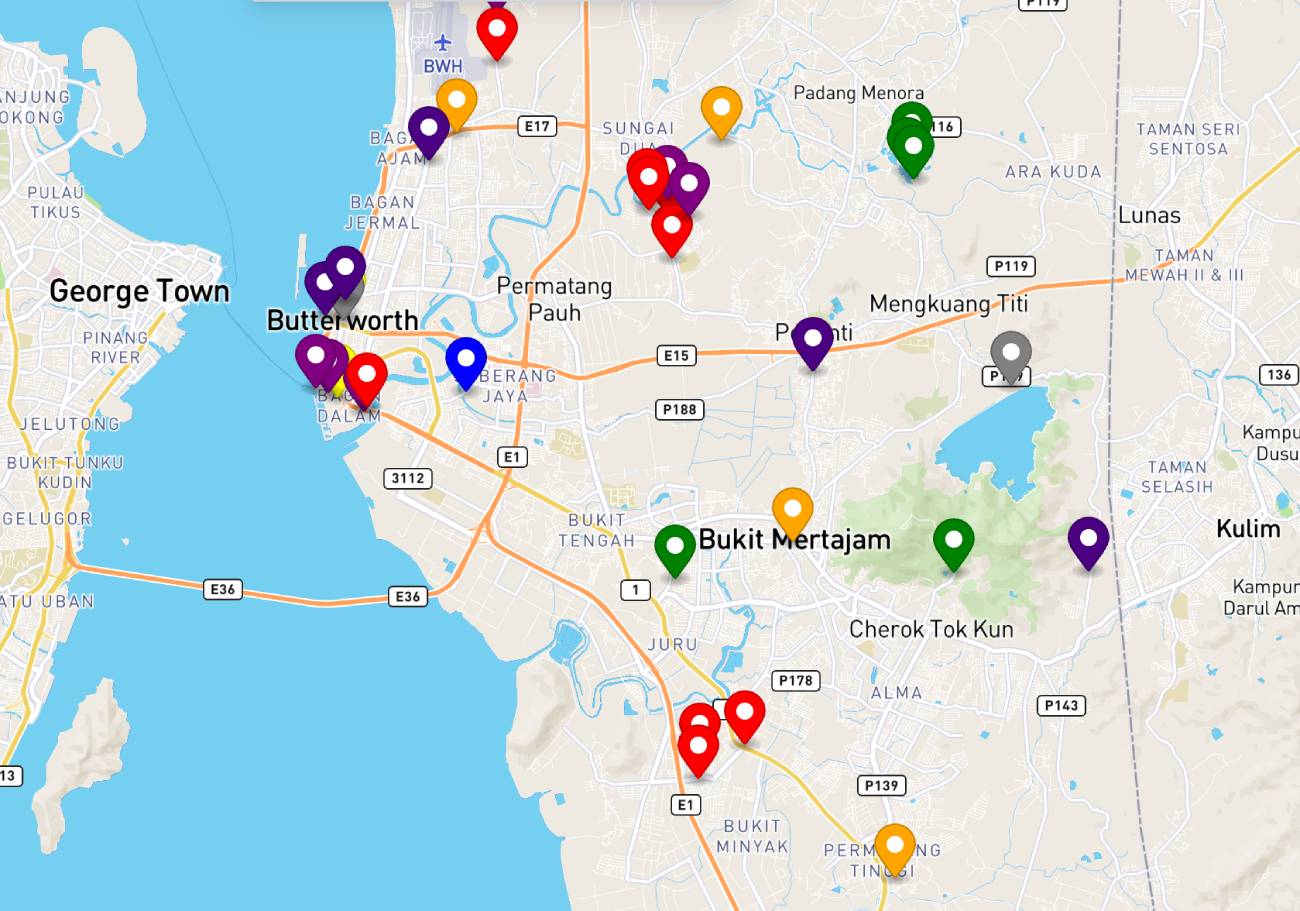
Seberang Perai, which spans about 748 square kilometres and had a population of roughly 946,000 in 2020, is a major economic hub in its own right. It hosts industrial zones such as the Perai Free Industrial Zone and the Port of Penang, yet is often perceived as less prominent than the island side.
Urban development analysts say digital platforms like SPKita can help improve place visibility, but their long-term impact depends on consistent user engagement, data governance, and integration with broader planning efforts.
The project is part of a wider development initiative involving multiple stakeholders, including local authorities and regional agencies. As of now, details on how submissions will be verified or maintained over time have not been publicly outlined.
SPKita is open for public contributions, but its effectiveness as a long-term civic tool will likely depend on how widely it is adopted — and how well it manages the challenges common to community-driven digital platforms.
For more information and to contribute, please go to SPKita portal.


 Admin
Admin
 Sashidaran Gunathevan
 Yalinie Mathan






Add comment