


 Admin
AdminFourteen students from Foundation and Degree programmes at Asia Pacific University of Technology & Innovation (APU) took part in a volunteer outreach programme at The Lost Food Project, contributing to food rescue efforts while gaining a deeper understanding of sustainability and social responsibility.
Held in conjunction with Environmental Month 2026, the initiative brought together APU students, volunteers from another university and community partners to sort donated fruits and vegetables for redistribution to vulnerable communities.
Based in Kuala Lumpur, The Lost Food Project is a Malaysian not-for-profit organisation and eco-food bank that rescues surplus edible food that would otherwise be discarded and channels it to low-income households and welfare organisations.
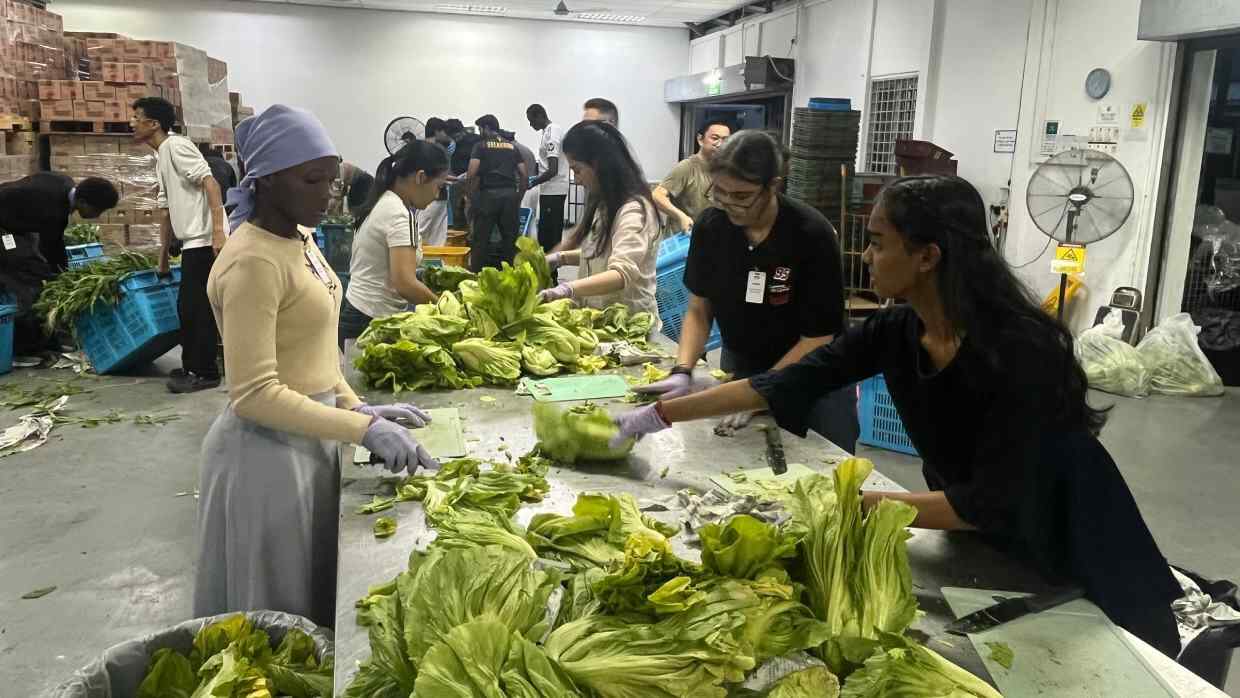
During the outreach, volunteers spent several hours inspecting, cleaning and organising fresh produce to ensure it was suitable for distribution. The recovered food was later delivered to low-income families, orphanages, welfare homes and elderly care centres.
For many students, the programme provided valuable exposure to the realities of food waste and food insecurity. They observed how edible food is often discarded due to oversupply, cosmetic imperfections or limited shelf life, despite remaining suitable for consumption.
Muchikichi Faith, a Foundation Studies student from Zimbabwe, said the experience highlighted the scale of food wastage.
“This volunteering experience opened my eyes to the amount of food wasted every day. Knowing that the fruits and vegetables we sorted would be delivered to families and elderly people in need made it meaningful. It taught me that even small efforts can make a big difference,” she said.
Collaboration promotes sustainability and community empowerment
The programme was conducted under a Memorandum of Understanding between APU and The Lost Food Project and forms part of a broader sustainability initiative involving the Soroptimist International Club of Shah Alam (SISA).
Another participant, Hana Mohamed Youssef Emam, said the activity demonstrated how collective action can help address food waste while supporting communities in need.
“I enjoyed working with students from different universities and organisations. The activity helped me understand the importance of sustainability and how food waste can be reduced through community action. It was rewarding to know that our work contributed to helping others,” she said.
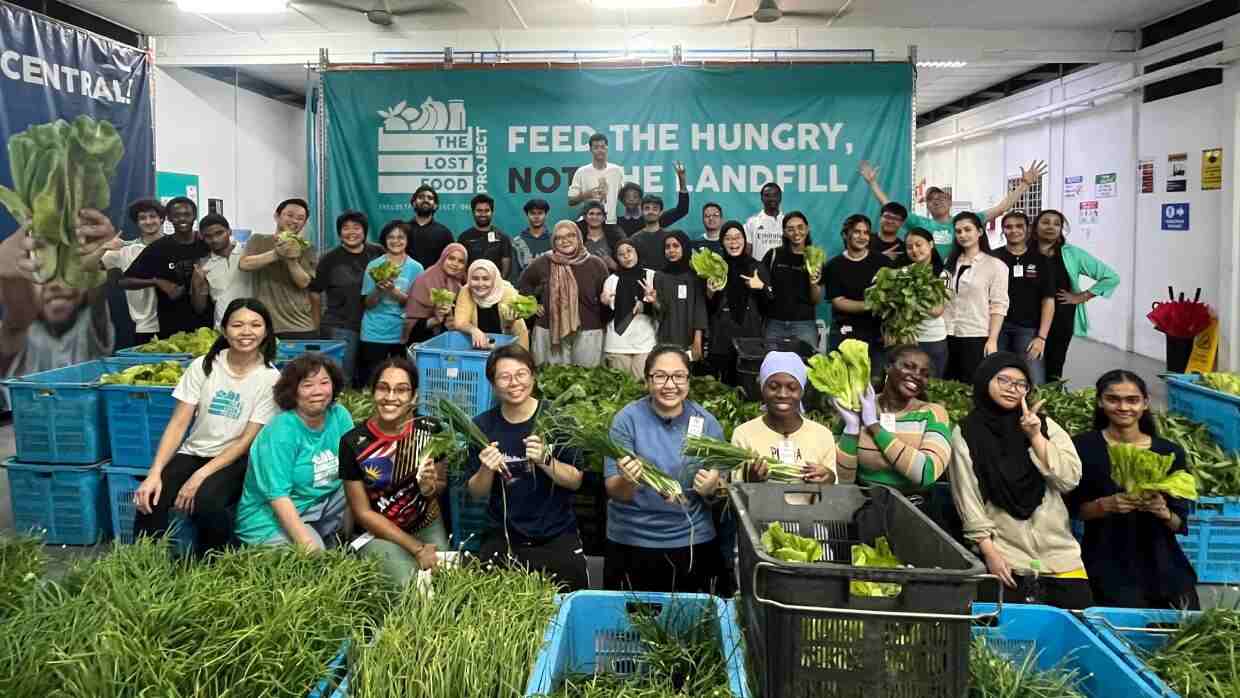
Plans are also underway to develop simple and affordable recipes using commonly donated produce, helping beneficiaries maximise available resources while encouraging healthier meal preparation and reducing household food waste.
According to Ms Cynthia Mala Paul Dorairaj, Adviser of APU’s Sustainable Future Fusion Club and lecturer at the School of Business, the collaboration demonstrates how partnerships can create meaningful social impact.
“This collaboration shows how partnerships can transform surplus food into meaningful community support. By engaging students in service-learning, we nurture socially responsible graduates while promoting sustainability, compassion and active citizenship,” she said.
The initiative supports the United Nations Sustainable Development Goals on Zero Hunger and Responsible Consumption and Production, reinforcing efforts to reduce food waste while strengthening food security and community resilience.


 Yalinie Mathan
 Amirull Salihing
 C. Khor



Add comment