


 Sashidaran Gunathevan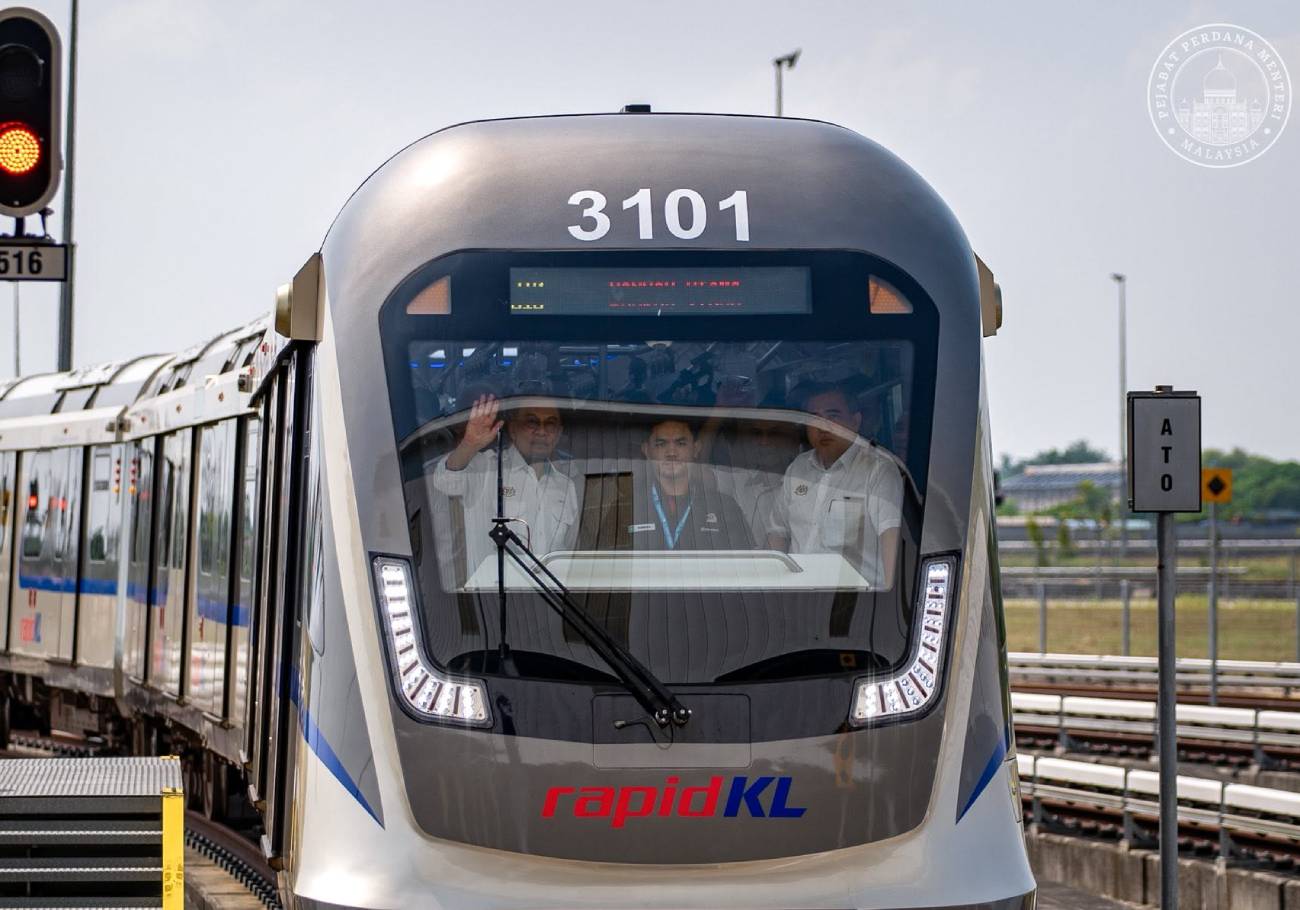
The LRT3 Shah Alam Line opened on 29 June with free rides and plenty of fanfare. But a quieter question is already surfacing. What happens after commuters step off the train?
This is the LRT3 last mile problem, and it is not a minor detail. It is the difference between a rail line that gets used and one that sits half empty. Good trains alone do not decide that.
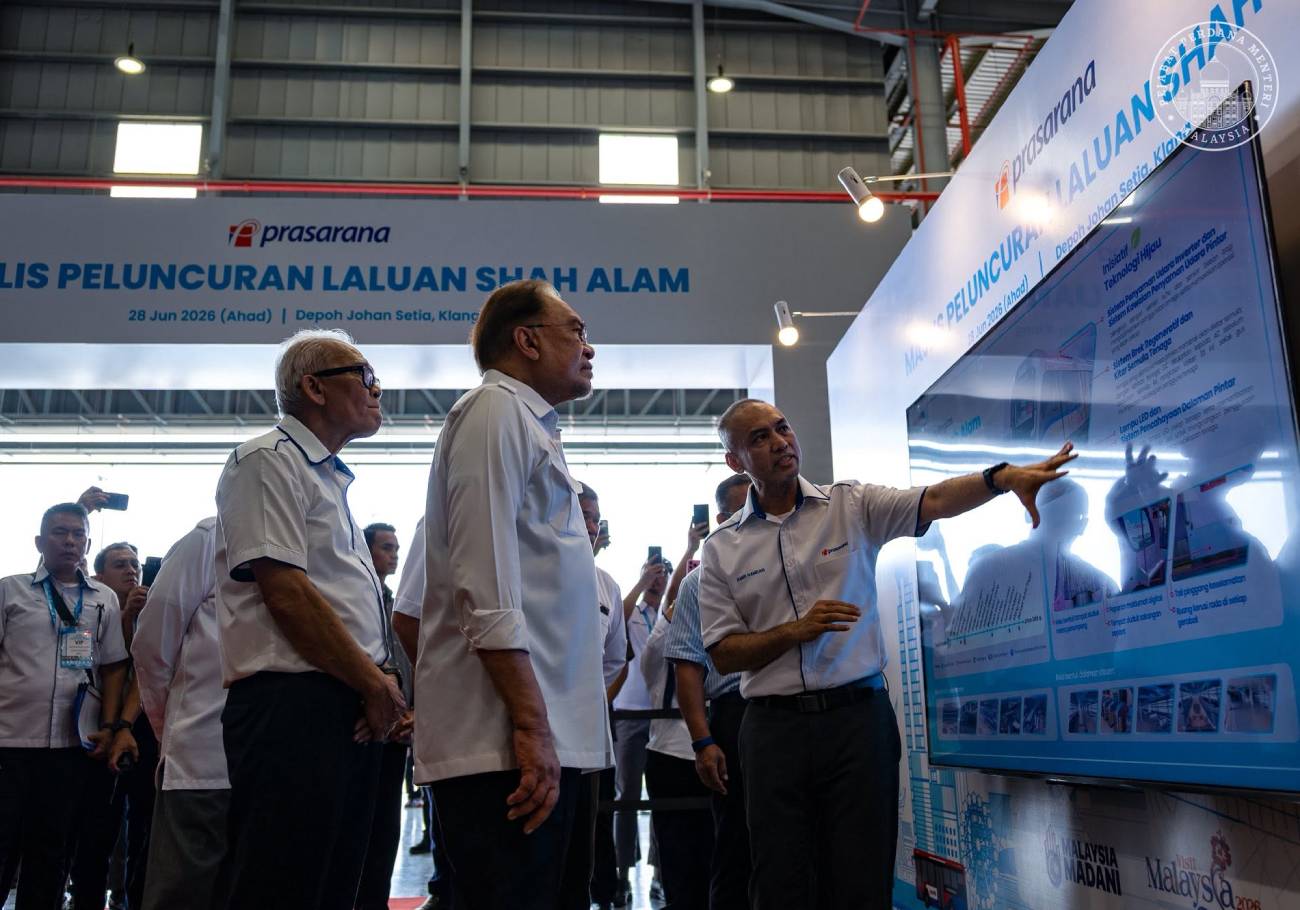
Local authorities know this. Klang Mayor Datuk Abd Hamid Hussain said the council is now focused on pedestrian access to LRT3 stations. Even Prime Minister Anwar Ibrahim flagged the risk at the launch. Station parking, he warned, would not cope if everyone simply drove there.
LRT3 walkways, parking and the gaps already being flagged
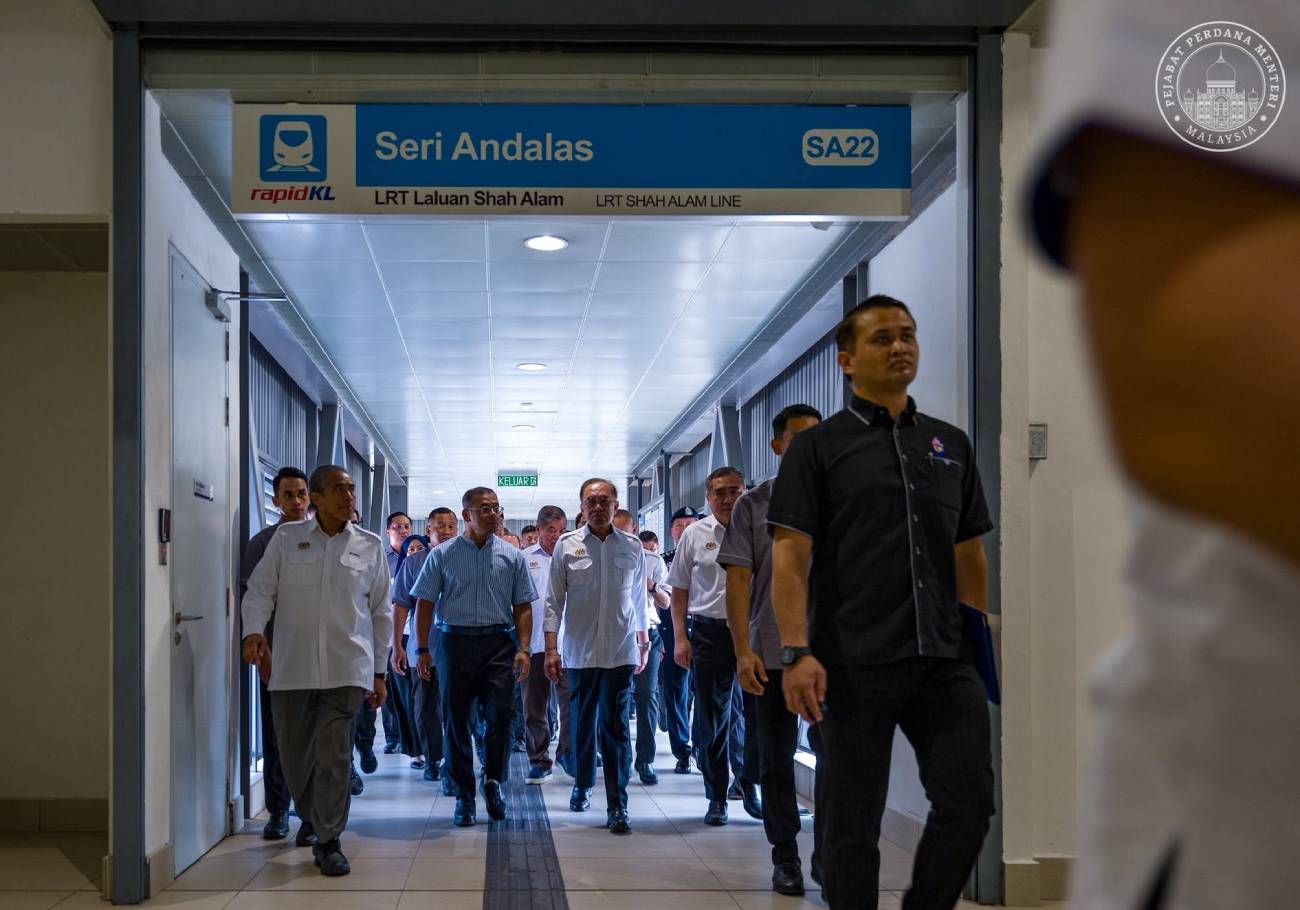
Abd Hamid said the council would monitor public feedback once operations began. That would help identify areas needing further improvement. That monitoring has already started, because the gaps were visible before the first train even ran.
Some of the concerns are visible on the ground itself. Pedestrian walkways near Jalan Meru and Glenmarie 2 currently run sandwiched between highways rather than through residential areas.
Jalan Meru station also sits barely a kilometre from Pasar Klang station, which raises a fair question. Will both stations draw enough separate walk-up traffic to justify being so close together, or will commuters simply default to whichever one is easier to reach by car.
Anwar himself acknowledged the parking problem directly at the launch. He urged commuters to rely on feeder buses and e-hailing rather than driving to stations. Parking capacity, he said, would not cope if everyone showed up by car.
State mobility committee chairman Ng Sze Han confirmed one fix already underway. A pedestrian walkway is being extended to Dato’ Menteri LRT station as part of the wider LRT3 connectivity push. It is a start, but one walkway upgrade does not solve a 37.8km line.
Why the last mile decides whether people actually use the train
The last mile problem has a simple definition. It is the gap between where public transport drops you and where you actually need to be. For most Malaysians, that gap is the entire reason they choose to drive instead.
E-hailing fills part of that gap, but the cost adds up fast. A Grab ride from a station to a workplace or home can easily cost RM10 to RM15 each way. Add that to a train fare twice a day. Public transport stops looking like the cheaper option it is supposed to be.
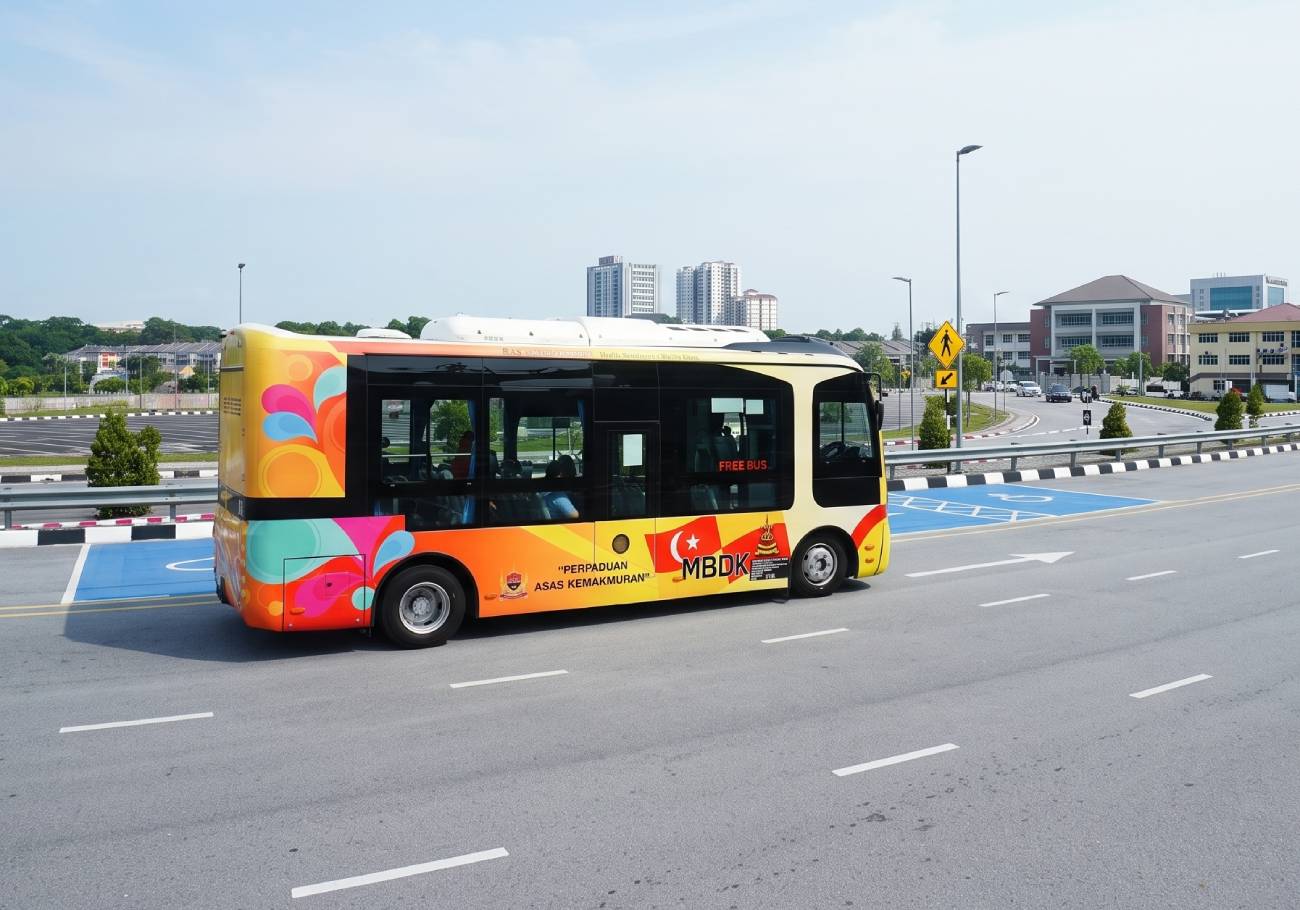
Feeder buses are meant to solve this more affordably, but reliability has been a persistent complaint. Commuters who cannot trust a bus to arrive on time default to whatever gets them there predictably. Even if it costs more.
Walking should be the simplest answer, and often is not. Covered walkways, safe crossings and direct pedestrian routes are still inconsistent across the Klang Valley. In Malaysia’s heat and rain, an uncovered ten-minute walk is enough to push many commuters back into their cars.
Why this matters more in Klang than almost anywhere else
Klang has lived with a strange transport gap for decades. KTM’s Port Klang Line has served the area for years. But its route runs through a different corridor entirely, leaving large residential stretches with no rail access at all.
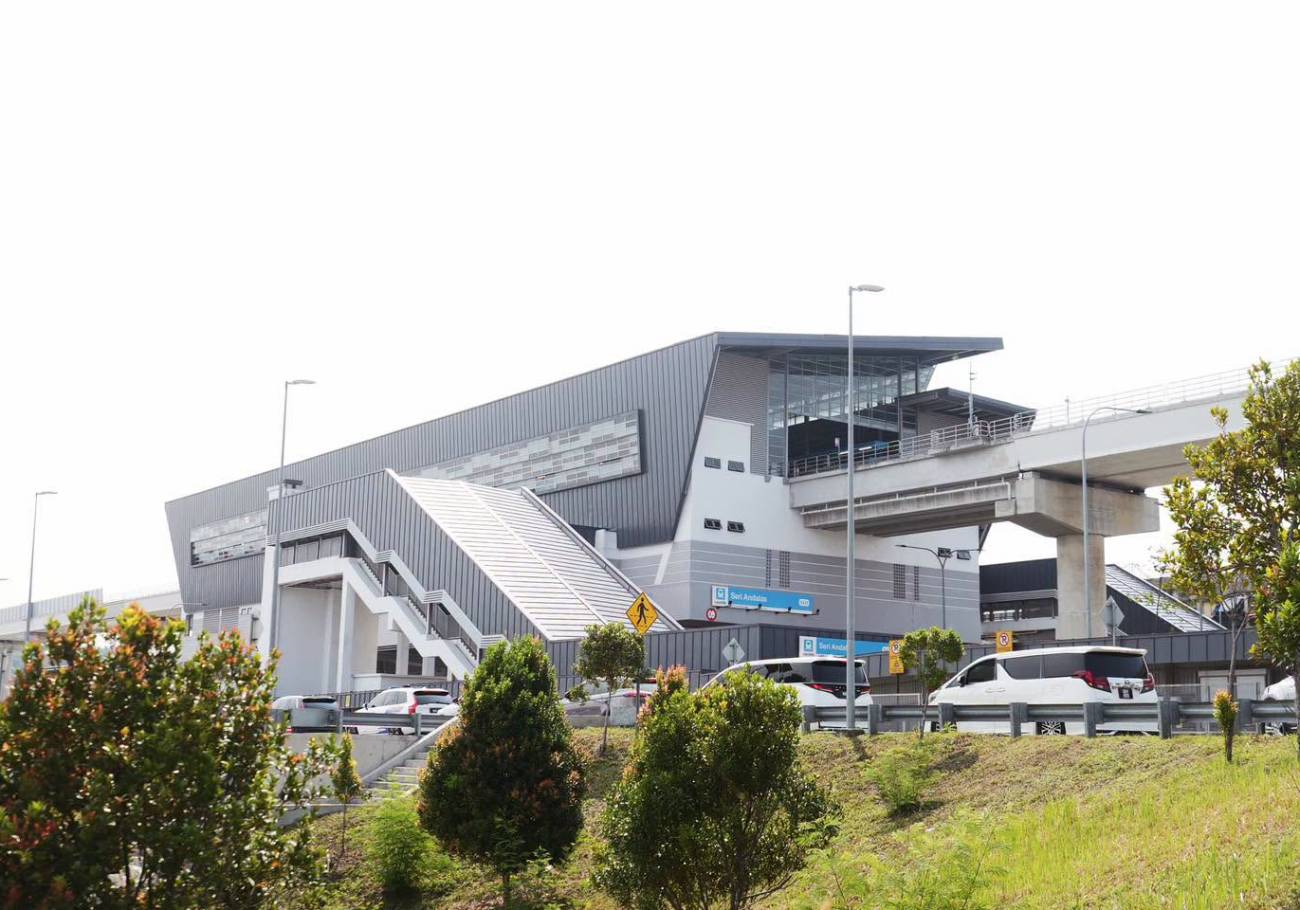
LRT3 changes that geography for the first time. Nine of its twenty stations serve Klang directly. They are Bandar Baru Klang, Pasar Klang, Jalan Meru, Jambatan Kota, Taman Selatan, Seri Andalas, Klang Jaya, Bandar Bukit Tinggi and Johan Setia. It does not duplicate KTM’s route. It opens an entirely different corridor through Klang, reaching neighbourhoods that have waited decades for any rail option at all.
But even nine stations have limits. Kapar is a populous coastal stretch north-west of Klang town. It sits roughly 14.5km from Pasar Klang, the closest LRT3 station to it. That is too far to walk. Too far to cycle comfortably. And beyond what most last-mile services are designed to cover.
A dedicated Rapid Bus route already runs from Klang’s bus hub specifically to Kapar. That alone proves the demand has existed for years without a proper rail-linked solution.
That is precisely why the last mile matters so much here. A working last-mile network would not just make an existing service more convenient. It would deliver rail access to communities that have never had it. That makes the LRT3 last mile fix closer to first-time access than mere improvement.
The fix that already exists, and is already expanding with LRT3
Long before LRT3 opened, Selangor was already testing an answer. The state’s demand-responsive transit pilot ran from November 2023 to July 2024, in eight zones including Puchong, Ampang and Bandar Utama.
The results were strong enough to expand. Usage jumped 145% in the months after the pilot. That success prompted the state to roll the service out across all of Selangor from March 2025. Along the way, the service was rebranded from DRT to Rapid KL On-Demand. In November 2025, its separate booking apps were consolidated into a single app.
The expansion has already reached areas close to LRT3’s footprint. Rawang became a new On-Demand zone from May 2025. Fares as low as RM1 now connect residential areas to the nearest public transport hub. Rapid On-Demand’s footprint has grown from four zones to 47 zones nationwide by mid-2025, with plans to expand further.
Crucially, this expansion has already been pointed directly at LRT3. Ng confirmed that Rapid KL plans to introduce Rapid On-Demand services in 10 zones linked to 10 LRT3 stations. A RM30 monthly subsidy for On-Demand users is also being planned to lower the cost for regular riders.
None of this guarantees success. Coverage gaps, reliability and awareness all still need to hold up once real demand hits. Kapar, Setia Alam and similar outlying areas are not yet part of any confirmed On-Demand zone tied to LRT3. But the infrastructure being built is not starting from zero. It is the same model that already proved itself before LRT3 even opened. The case for extending it further out is already sitting in the data.
The test now is simple. If Rapid On-Demand reaches beyond the immediate station radius, to places like Jalan Meru, Setia Alam and Kapar, Klang gets something it has waited decades for. Not a faster way to use rail it already had. A first real link to a rail network at all.

 Yalinie Mathan
 C. Khor





Add comment