


 Admin
AdminMore than 800 patients, breast cancer survivors, healthcare professionals, advocates, industry leaders and members of the public gathered for the Malaysian Breast Cancer Summit 2026 (MBCS26) and Becoming Women’s Self-Discovery and Empowerment Forum on Aug 15 and 16.
Held at Connexion Conference & Event Centre, Bangsar South, the two-day event was convened by TalkHealthAsia and its women’s health and wellbeing arm, The Asian Woman.
Participants travelled from across Malaysia, including from Tawau, while leading specialists from Malaysia and Singapore contributed medical expertise and insights.
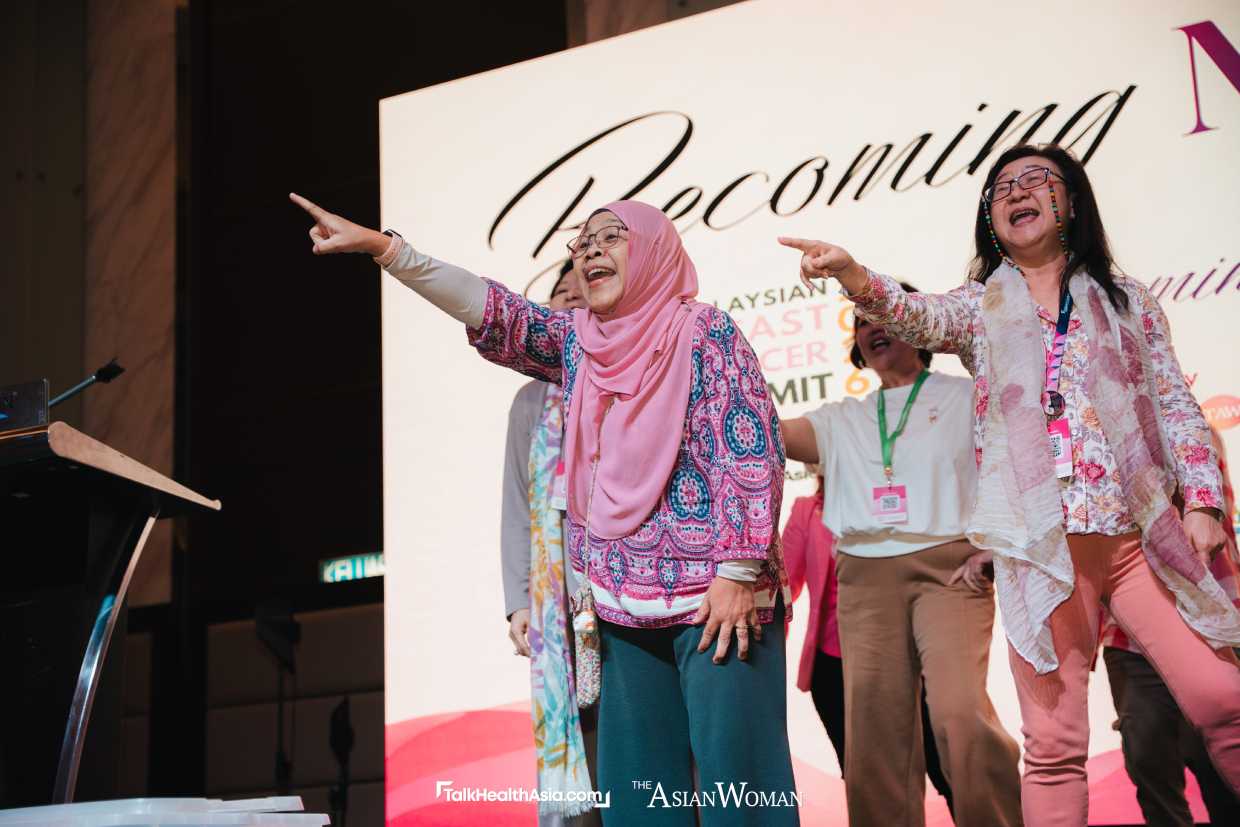
Held under the shared theme “Becoming Me”, the programmes sought to connect clinical healthcare discussions with broader issues surrounding recovery, identity, relationships and life after illness.
The summit featured patient-medical sessions covering treatment, recurrence, side effects, survivorship, sex and intimacy, alongside a public programme addressing identity, career, self-love, grief, trauma, relationships, personal growth and women’s health.
Medical expertise meets questions beyond the diagnosis
Live question-and-answer sessions in English, Malay and Mandarin enabled delegates to engage directly with breast cancer specialists on concerns that may be difficult to raise in conventional clinical settings.
Speakers included Professor Emeritus Dato’ Dr Yip Cheng Har, Dr Kiley Loh Wei-Jen, Dr Nur Fadhlina Abdul Satar, Professor Lee Soo Chin and Dr Joachim Lee, alongside public figures and advocates including Atilia Haron, Dr Kartini Ariffin, Aida Ihsani and Scha Alyahya.
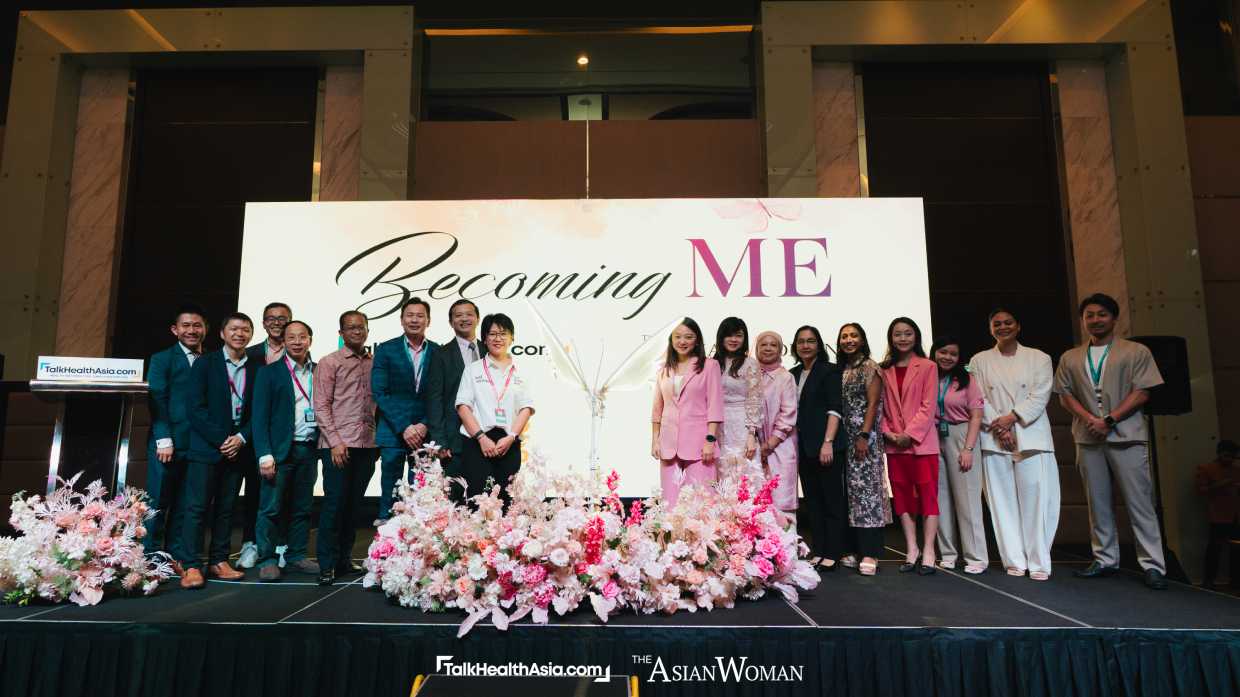
Guest of Honour YB Hannah Yeoh, Minister in the Prime Minister’s Office (Federal Territories), officially opened the summit and joined TalkHealthAsia founder and CEO Lim Po Lin for a fireside conversation on identity, conviction and personal choices.
“Whatever happens to you, whatever people say about you, even a diagnosis, none of these things get to tell the whole story of who you are,” Yeoh said.
Lim said healthcare conversations should also acknowledge the questions people face beyond their diagnosis.
“People don’t stop being people when they become patients,” she said, highlighting concerns involving work, relationships, confidence and identity.
The event also featured holistic wellbeing workshops covering CPR, aromatherapy, financial literacy and peer support, as well as a clinical development programme for doctors.
Together, the programmes emphasised a broader approach to healthcare education, focusing not only on treatment and survivorship, but also on quality of life, personal identity and navigating life after illness.



 Sashidaran Gunathevan
 Yalinie Mathan



Add comment