


 Maran Perianen
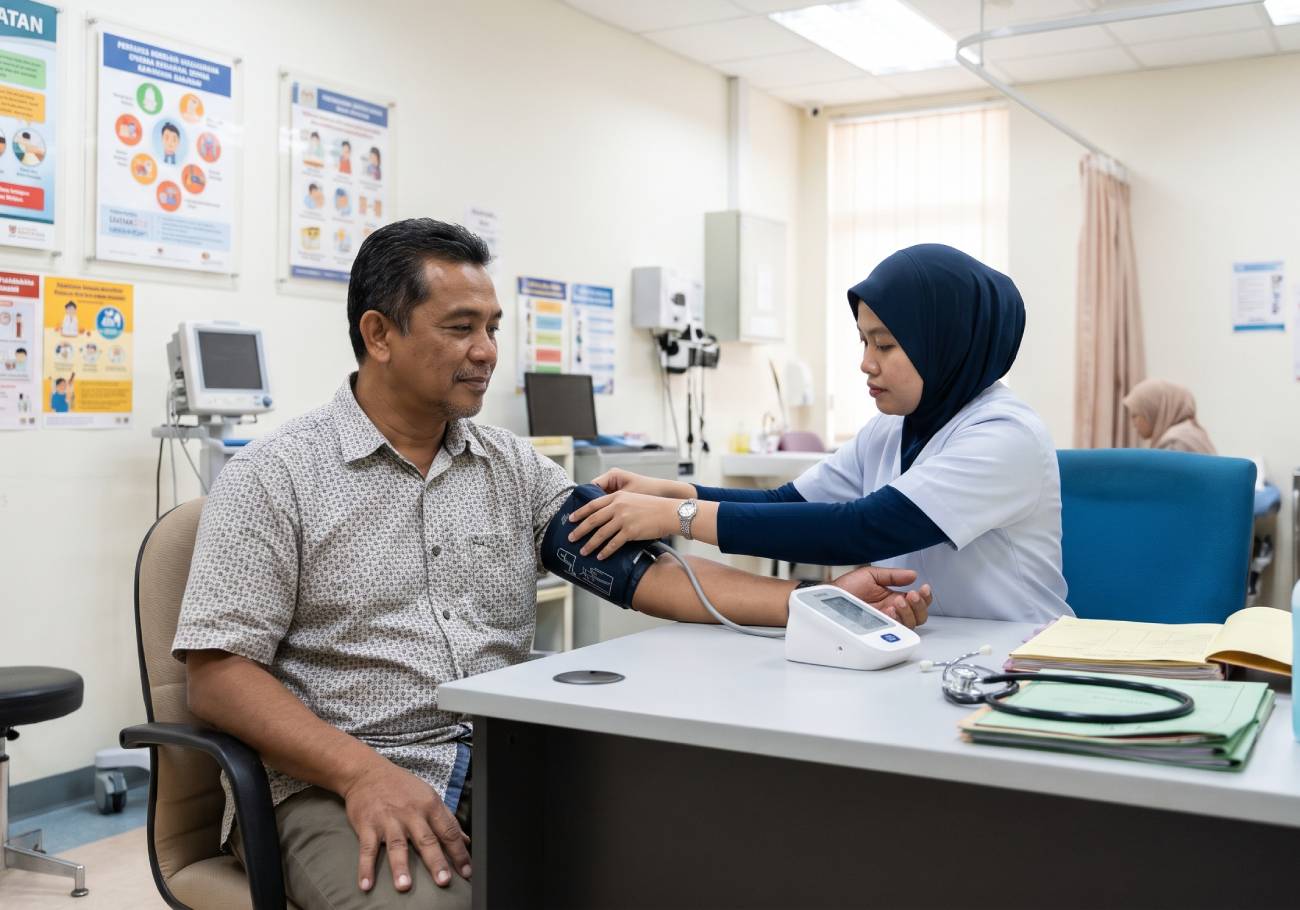
The MediAsas medical plan launches in January 2027. It is a government-designed basic medical insurance and takaful product. Private insurers and takaful operators sell it.
It follows years of rising premiums. Bank Negara’s white paper says about 340,000 policies were surrendered from January 2024 to June 2025. However, critics say the new plan falls short.
Here is what it offers, who it suits and how it compares. We also cover private hospital billing.
What the plan offers and what it costs
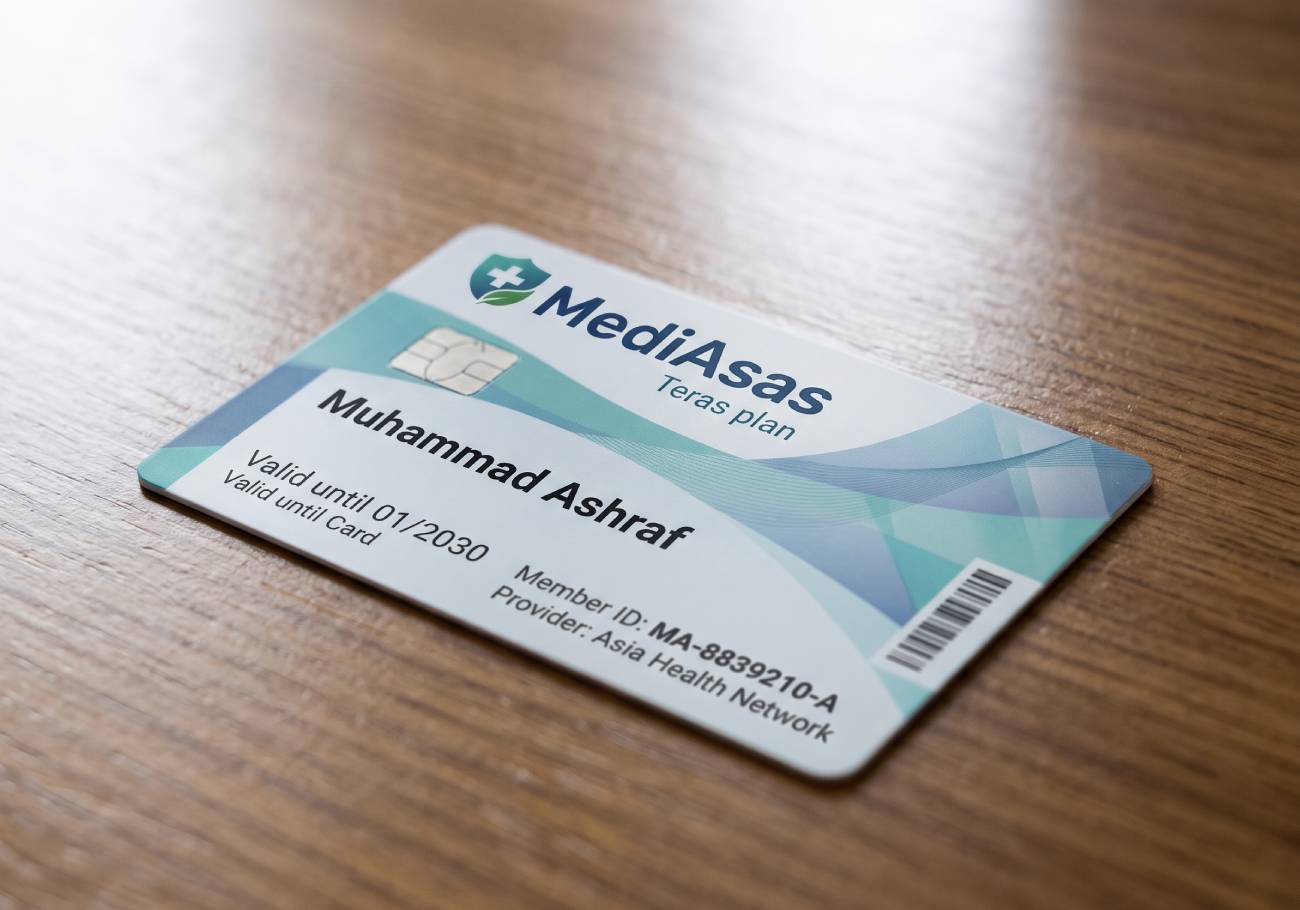
There are two versions. Teras is the standard plan. Fleksi is the standard-plus plan, CodeBlue reported on the FAQ.
Teras has a RM100,000 annual limit below age 60. It rises to RM150,000 from age 60. Fleksi has a RM300,000 limit. Neither has a lifetime limit.
The deductible differs, too. For instance, Teras has a RM500 deductible per disability below 60 at preferred in-network hospitals. It is RM1,000 from age 60.
Outside the network, Teras adds 20% co-insurance, capped at RM3,000 per disability. Fleksi’s deductible is RM10,000 a year in network. It is RM15,000 outside. It applies only when claims occur.
Estimated premiums run from about RM60 to RM550 a month up to age 70, RinggitPlus reported. However, final prices are not out yet.
Six firms took part in the pilot. From January, all life insurers and family takaful operators that sell medical cover must offer Teras, Sinar Daily reported. Fleksi is optional.
In addition, EPF members under 55 can pay premiums from their Akaun Sejahtera. SMEs with fewer than 75 workers get RM200 per worker for the first year, CodeBlue reported. The cap is 50 workers a firm.
Who it targets and what is excluded
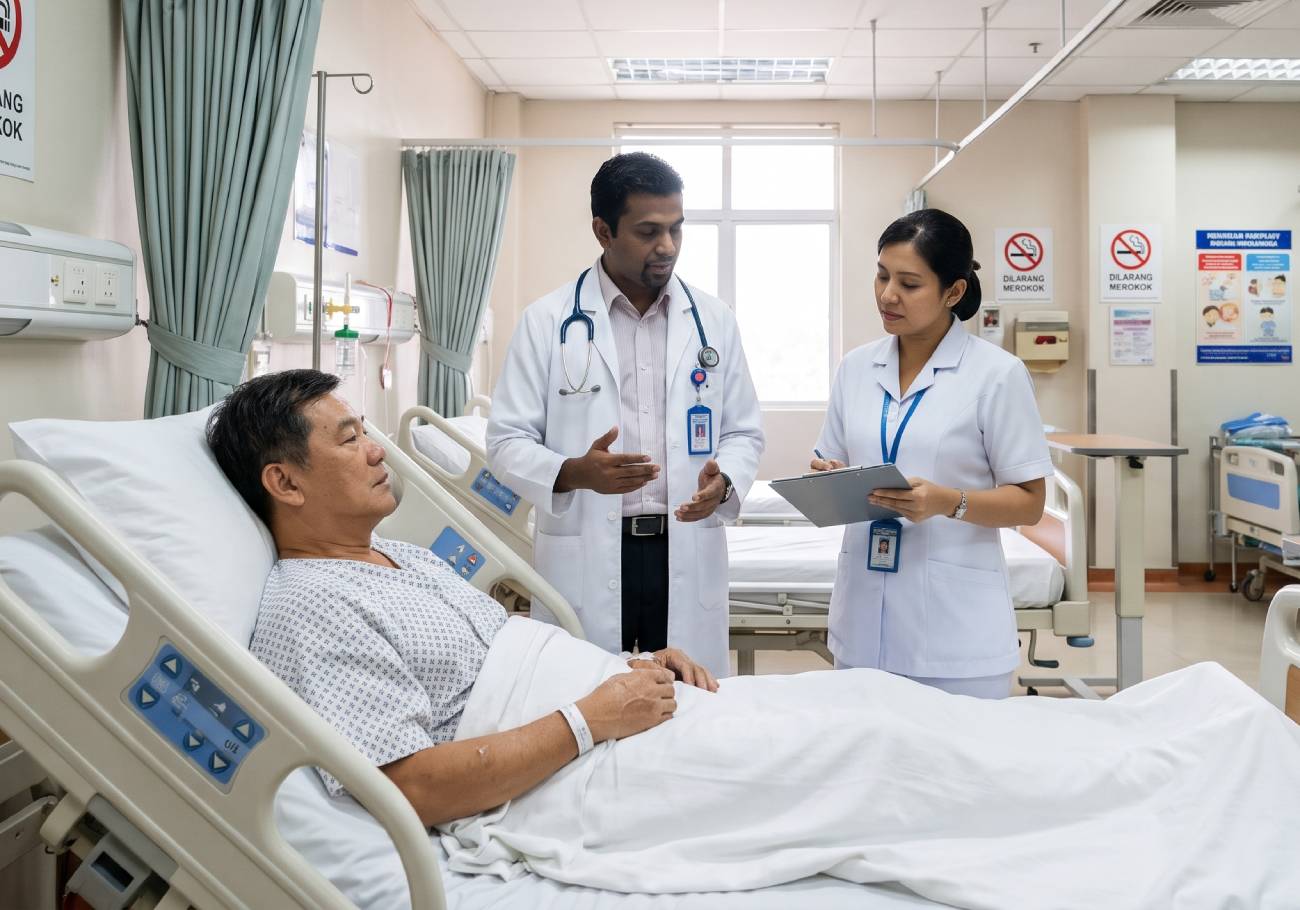
The Health Minister calls it a safety net for the M40, The Star reported. However, Bank Negara’s FAQ aims it at the uninsured. Its stated aim also covers people leaving costly plans. Acceptance is not guaranteed.
Pre-existing conditions are the main catch. The pilot FAQ lists 35 major exclusions. They include existing illnesses, conditions from birth and mental disorders.
Bank Negara later said it may consider cover for some conditions, The Star reported. Examples are early cancer in remission, stable mental health conditions and mild autism.
Also, extra premiums may apply, and cover is not guaranteed. A Bank Negara spokesperson said: “It’s not the same as saying we will cover that condition.”
Next, waiting periods are 30 days for most illnesses. They are 120 days for named illnesses. After seven years of cover, insurers cannot contest most claims.
However, the seven-year rule does not cover fraud. It also excludes set conditions, such as cancers and major heart disease.
How it compares with existing medical cards
However, critics say the MediAsas medical plan is not a game-changer. Tanjong Karang MP Dr Zulkafperi Hanapi called it “totally not the game-changer that was initially touted,” CodeBlue reported.
He said the RM100,000 limit looks weak. In contrast, other plans offer RM1 million, RM2 million or RM5 million.
However, Bank Negara’s 2024 annual report links limits of up to RM8 million, with no lifetime cap, to heavier use.
Moreover, CodeBlue says it has stricter co-payments and no no-claim bonus, CodeBlue analysis. It also says cover is for shared rooms only.
Also, the pilot covers outpatient care only for dengue, flu, bronchitis and pneumonia. That is capped at RM3,000 a year. Teras adds a RM50 deductible per visit.
In short, it is a low-cost base plan, not a high-limit card. Fleksi raises the limit to RM300,000. However, patients bear RM10,000 a year at panel hospitals.
In reply, Bank Negara’s deputy governor said RM100,000 covers 99% of treatment cases. The white paper says the 99th percentile claim paid in 2024 was RM55,225.
Meanwhile, insurers call it an affordable option for the uninsured.
The FAQ says premiums are not guaranteed. Insurers may revise them with 30 days’ written notice. RinggitPlus advised: “If you already have a medical card, keep it.” It suggested comparing once final premiums are out.
Private hospital billing and the wider picture
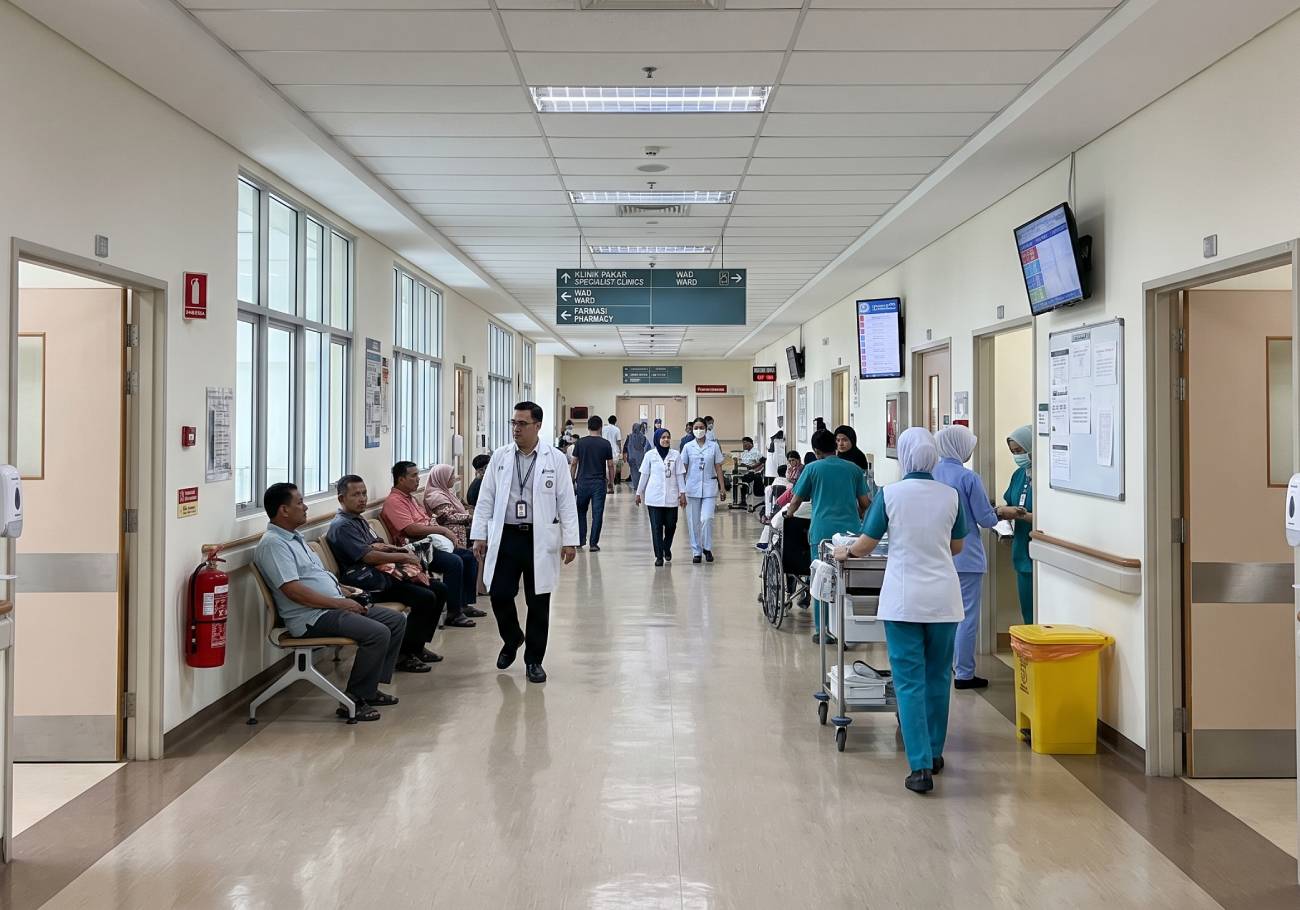
Budget 2027 promises standard charge categories at private hospitals from 2027, The Star reported. Anwar Ibrahim said payments will follow a diagnosis-related groups (DRG) system.
Under DRG, payment depends on the patient’s diagnosis and procedure category, not each item billed, RinggitPlus reported. However, the reports we found did not set out the rules or the hospitals.
Costs drive the push. Bank Negara’s 2024 annual report, cited above, shows a projected 15% medical inflation for 2025, using Aon data. Asia-Pacific is 11% and the global figure is 10%.
However, RinggitPlus reported that the private hospital association says the 15% overstates real costs.
The same report says claims rose 73% from 2021 to 2023, while premiums rose 21%. Claims per 100 policyholders climbed from 11 in 2018 to 25 in 2023.
It says supplies and services, such as drugs and lab fees, make up 59% to 70% of private hospital bills.
Meanwhile, Bank Negara capped most premium rises at 10% a year, CodeBlue reported. That cap ends in 2026.
Separately, the Madani Medical Scheme has no 2027 funds, CodeBlue reported. CodeBlue reads that as abolition. We found no official word.
Overall, it is a basic option. For other Budget 2027 aid, read our STR 2027 guide. For free child health checks, see our UMMC child anaemia screening story.
MediAsas FAQ: your questions answered
What is MediAsas?
It is a standalone medical plan, not linked to any investment product. The plan renews yearly until age 85. It covers pre-hospital, hospital and post-hospital care, plus some outpatient treatment. Takaful versions are also offered.
Who can apply during the pilot?
Malaysian citizens with a valid MyKad, aged 16 to 70. The national launch in January 2027 is set to open to ages 0 to 70. Permanent residents and foreigners living in Malaysia are meant to qualify then.
Who is it meant for?
Bank Negara says it targets two groups. One is people with no cover who can afford basic private care. The other is people whose plans have become costly with age. It can also sit alongside an employer plan or medical card.
How much will it cost?
Final premiums are not out yet. The white paper gives indicative monthly ranges. For ages 31 to 35, Teras is RM80 to RM120 and Fleksi is RM50 to RM70. At 61 to 65, Teras is RM280 to RM350 and Fleksi is RM220 to RM280. Above 75, Teras is RM500 to RM780 and Fleksi is RM400 to RM660.
What is the difference between Teras and Fleksi?
Teras has a RM100,000 annual limit, or RM150,000 from age 60, with a low deductible per illness. Fleksi has a RM300,000 limit and a high yearly deductible of RM10,000, or RM15,000 out of network. Fleksi suits people who already have other cover.
Which hospitals are in the pilot network?
Ten hospitals, all in the Klang Valley. They include four KPJ hospitals, three Pantai hospitals, Bukit Tinggi Medical Centre, Columbia Asia Klang and Subang Jaya Medical Centre. The list will grow. Other hospitals cost more, and you pay first and then claim.
When is the co-payment waived?
Only under Teras. It is waived at government facilities, in emergencies and for outpatient cancer treatment. Fleksi has no such waiver.
What about pre-existing conditions?
The plan is fully underwritten, so you must answer a health questionnaire. Pre-existing conditions are assessed under the policy terms and exclusions. After seven continuous years, insurers cannot contest claims over non-disclosure. Fraud and listed conditions, such as cancer and major heart disease, are excepted.
Are there waiting periods?
Yes. Most conditions are not covered in the first 30 days, except accidents. Specified illnesses have a 120-day wait.
Does it cover treatment abroad?
No. Benefits apply only in Malaysia, and overseas treatment is an exclusion.
Is renewal and the premium guaranteed?
Renewal is guaranteed up to age 85, except in cases the policy lists. Premiums are not guaranteed. Insurers may revise them with at least 30 days’ written notice. Your own claims do not raise your premium.
Can I switch plans or cancel?
Not during the pilot. You can cancel within a 15-day free-look period for a refund, less any medical expenses. After that, no premium is refunded. You can hold only one MediAsas at a time.
Who sells it in the pilot?
AIA, Allianz Life, Etiqa Family Takaful, Great Eastern, Prudential BSN Takaful and Takaful Malaysia Keluarga.
Can I claim the premium for tax relief?
The FAQ says it may qualify for personal tax relief. The Inland Revenue Board makes the final decision.
Where can I learn more or complain?
For a plain guide, see MHIT Made Simple, an initiative by FEN. Claim disputes can go to the Financial Markets Ombudsman Service or BNMLINK.


 C. Khor

 Navin Kumar Perianen

 Yalinie Mathan





Add comment