


 Sidhaarthan

Psychologists from Asia Pacific University of Technology & Innovation (APU) raised concerns on children’s thinking at an AI governance forum. The Kuala Lumpur event was the “Realising an AI Nation” conference. It took place on 13 October at the Hilton.
Vinorra Shaker, Head of APU’s School of Psychology, and Professor Dr Andrew J. Campbell sat on a panel on truth, hallucination and social cohesion. Andrew is from the University of Sydney and is also an APU adjunct professor. Vinorra focused on children’s metacognition, which means their ability to reflect on, monitor and regulate their own thinking.
APU issued its account on 23 November. It describes concerns, not policy proposals, and it gives no studies or figures. For readers, the point is that AI rules cover more than chips and data. They also touch how children learn to think.
What the AI governance forum covered
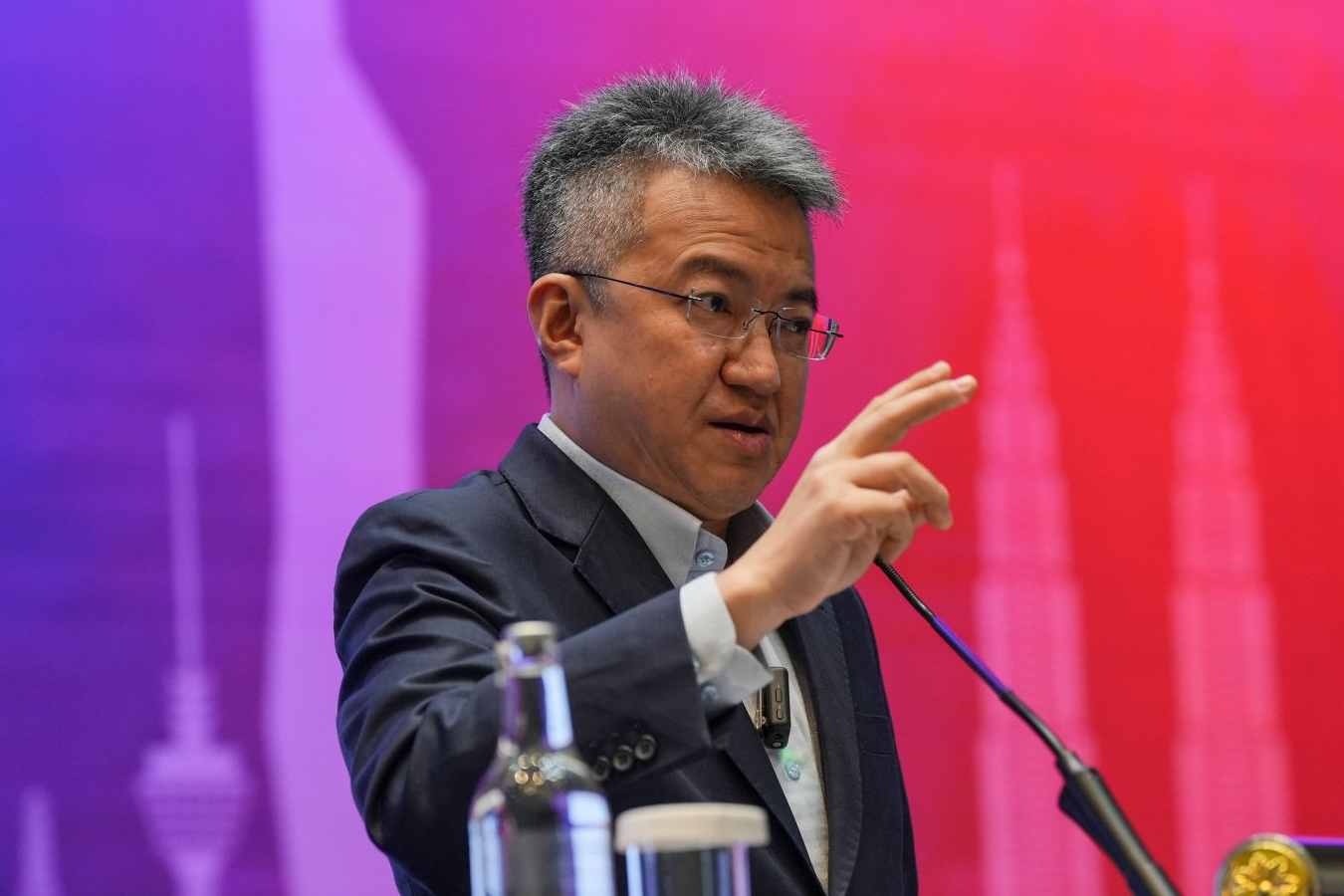
The Institute of Strategic and International Studies (ISIS) Malaysia organised the conference. Its programme page says the event aimed to unpack an AI nation beyond 2030. It also set out to look at the safeguards needed for safe use of AI.
Entrepreneur and Cooperatives Development Minister Steven Sim gave a keynote on AI and small businesses. Deputy Finance Minister Liew Chin Tong gave the second keynote on Malaysia’s economic roadmap. ISIS Malaysia Executive Chairman Datuk Prof Dr Mohd Faiz Abdullah also attended.
Partners included Google, Alibaba Group, Digital Nasional Berhad and Huawei. Speakers came from bodies such as the Korea Artificial Intelligence Safety Institute, AI Malaysia Berhad and Khazanah Research Institute. APU’s academics also joined a closed-door roundtable led by ISIS Malaysia.
ISIS lists site visits on 12 October before the 13 October conference, so the event ran over two days. The forum also followed the National AI Action Plan 2026-2030. Prime Minister Datuk Seri Anwar Ibrahim unveiled it on 29 July.
AI governance forum warning on children’s metacognition
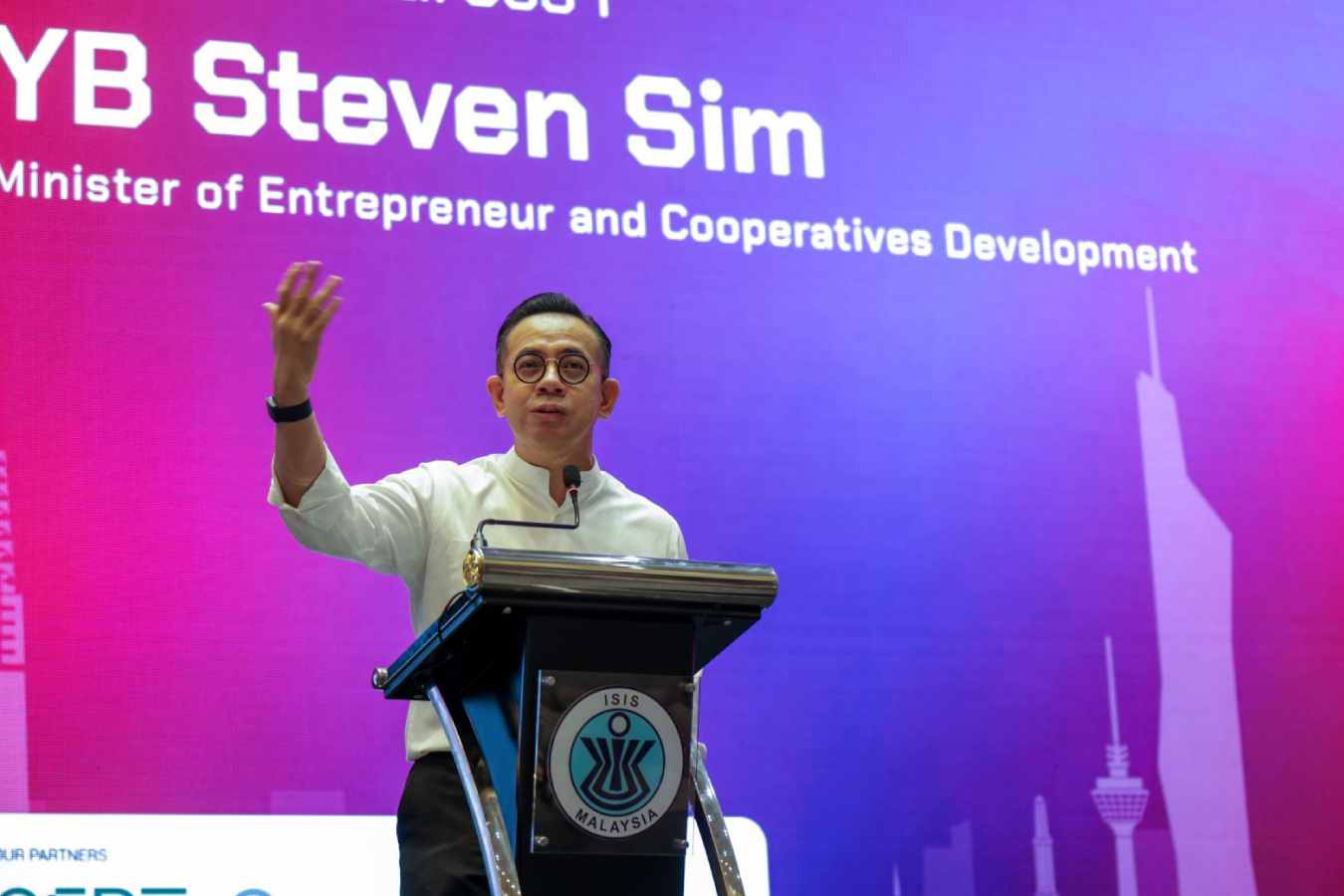
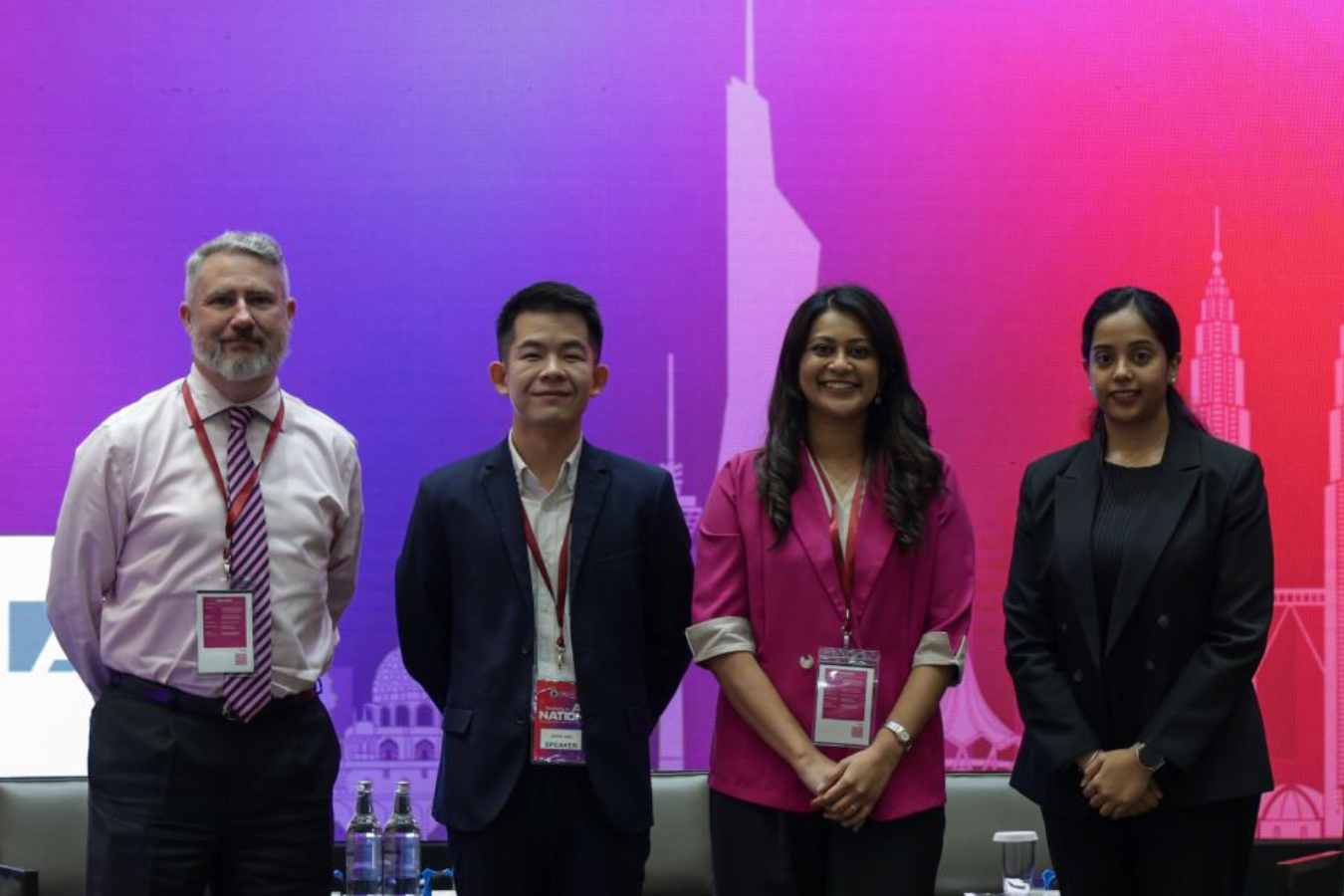
Session Two carried the title “Truth, Hallucination and Social Cohesion”. Jason Wee, Co-Founder of Architects of Diversity Malaysia, joined Vinorra and Andrew on the panel. Nabila Hussain, Director of Government Affairs and Public Policy at Microsoft, moderated.
The session looked at how AI shapes the way people find information, form judgements and decide whom to trust. It also asked how unequal access to AI could affect social cohesion, belonging and inequality.
Read more: PIKOM LEAD 2026 Summit charts Malaysia’s regional AI ambitions
Read more: GBS Malaysia targets 50 companies for AI adoption programme
Read more: APU climbs to No. 2 among ASEAN private universities in ranking
Vinorra raised concerns that AI could harm children’s metacognitive abilities. As AI-generated answers become easy to get, children still need independent thought and critical evaluation, APU says.
Andrew backed a psychological view of AI use. He said long interactions with new technology may shape behaviour and psychological development. APU’s takeaway from the AI governance forum is that rules should weigh what technology does to its users. It should not look only at what the technology can do.
Cyberpsychology study route behind the AI governance forum remarks
APU links the panel to its Master of Applied Psychology in Cyberpsychology. APU calls it the first programme of its kind in Southeast Asia. A course listing says it covers how social media, AI and virtual reality shape behaviour.
The programme runs online through open and distance learning. The same listing gives the next intake as 15 January 2027. Applicants without a psychology degree must first complete 45 credits of prerequisite psychology modules.
APU also points to its academic collaboration with the University of Sydney. In June, it hosted Malaysia’s first Cyberpsychology Symposium, with more than 200 experts, policymakers and students.
APU has not said whether the panel’s concerns will reach policy. Readers who want to study the subject can check APU’s course page for fees, dates and entry rules.




 Yalinie Mathan
 Maran Perianen

 Admin




Add comment