


 CJMY
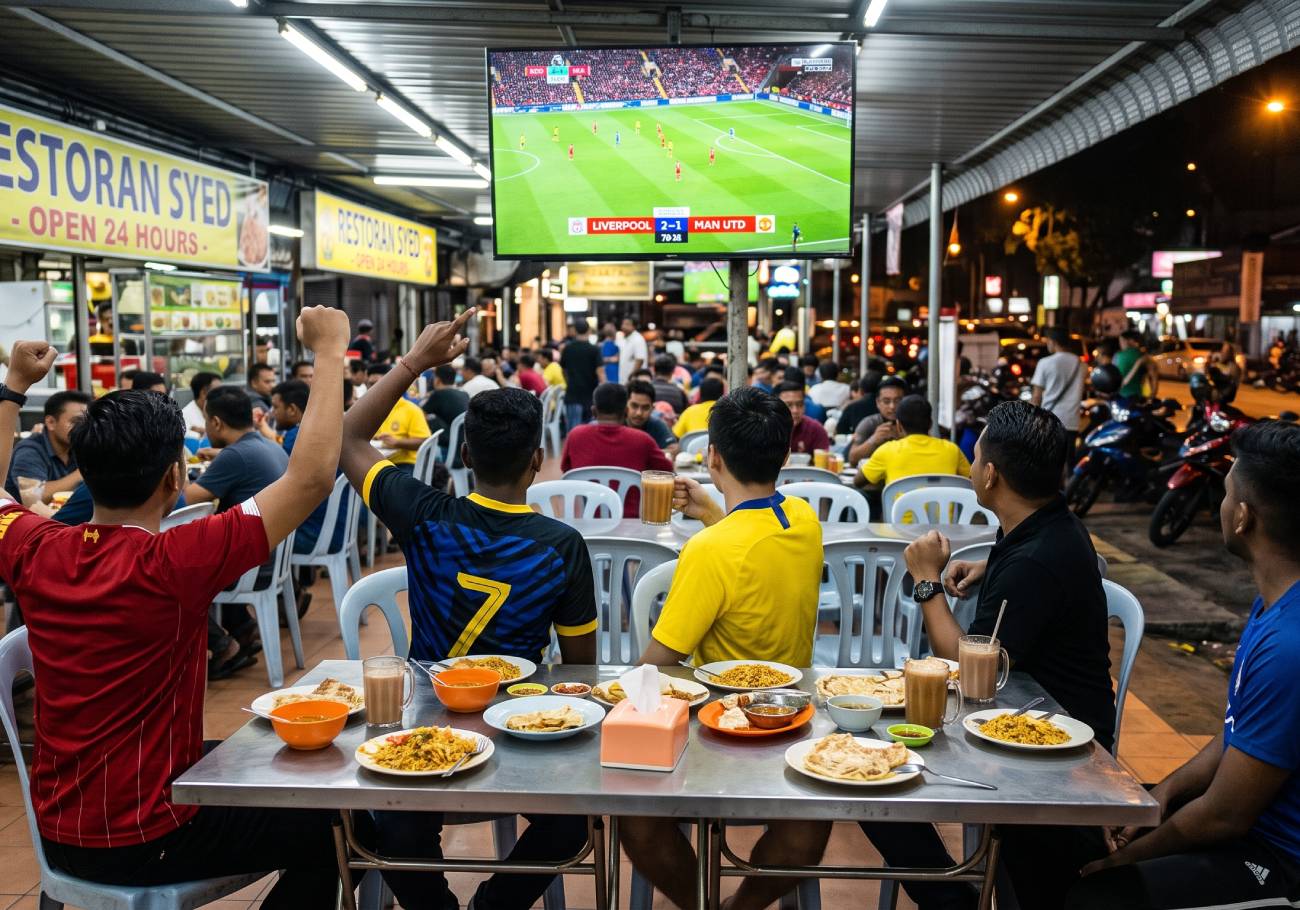
Here in Malaysia, we have various ways of having fun and enjoying our leisure time, and Mamak stalls are one of them. Take, for example, an evening football game at a Mamak stall: friends or family members pull up and sit down on plastic chairs, order roti canai and teh Tarik, and argue over the game’s events like missed chances, referee decisions, etc.
Someone might also be at a table checking a live score, sharing a replay or messaging friends watching elsewhere.
These scenes capture an elaborate transformation in how we spend our evenings, weekends, and in general, our free time. While the venues where people gather are important, entertainment now travels with them, on mobile screens, in between conversations, etc.
Below, we’ll see why the Mamak stall remains relevant to us in the country, even though there’s a growing move towards mobile screens.
Why the mamak stall remains a classic social venue
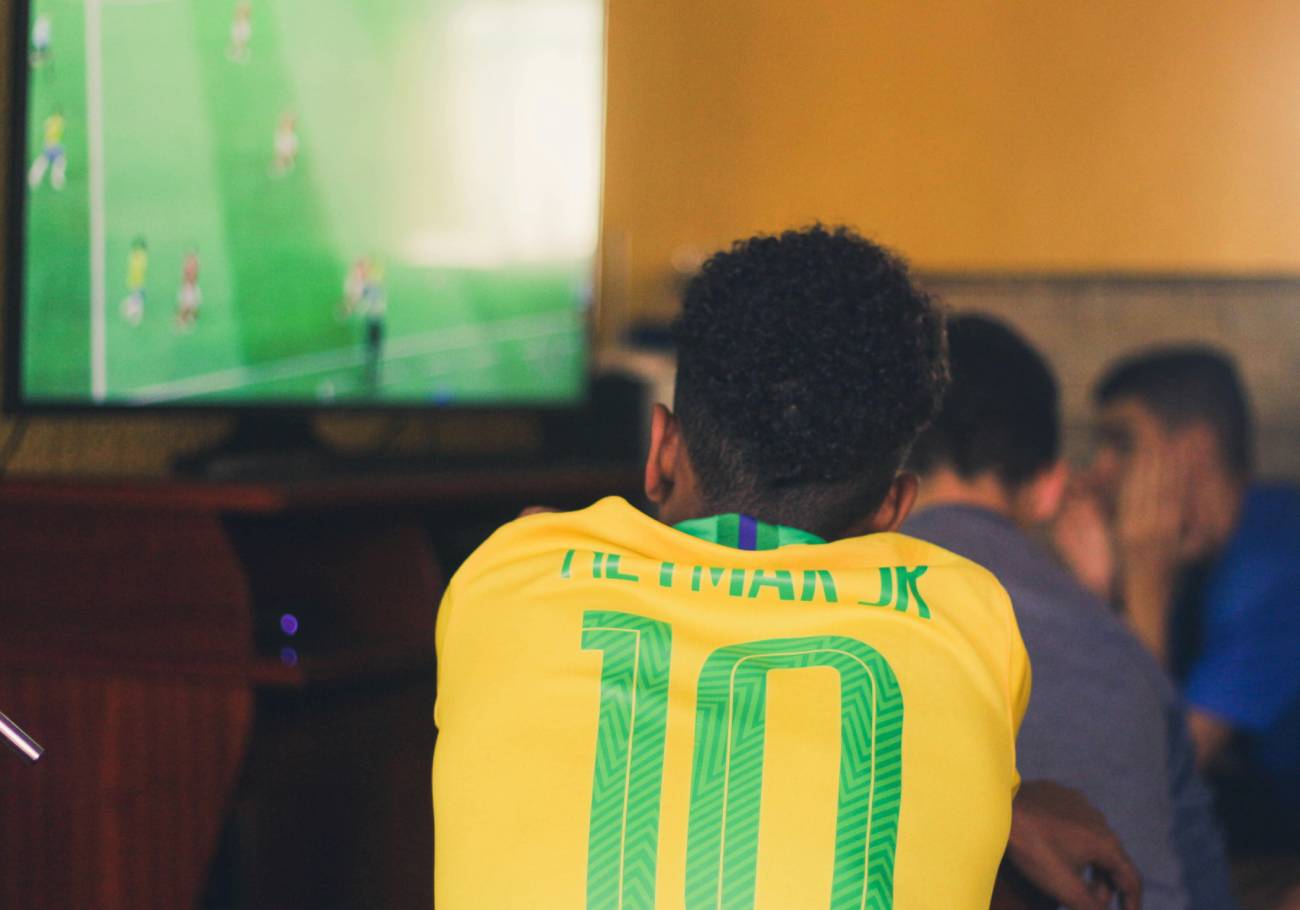
Mamak stalls or restaurants have, over the years, offered something more than just a place to eat; many of these venues have become a scheduled night out for us Malaysians.
At these locations all over the country, people meet after work, talk over a drink without making any serious plans, and even follow football games.
While food is the core service rendered, it is just part of the appeal. The main appeal is freedom and the social appeal of staying for another conversation.
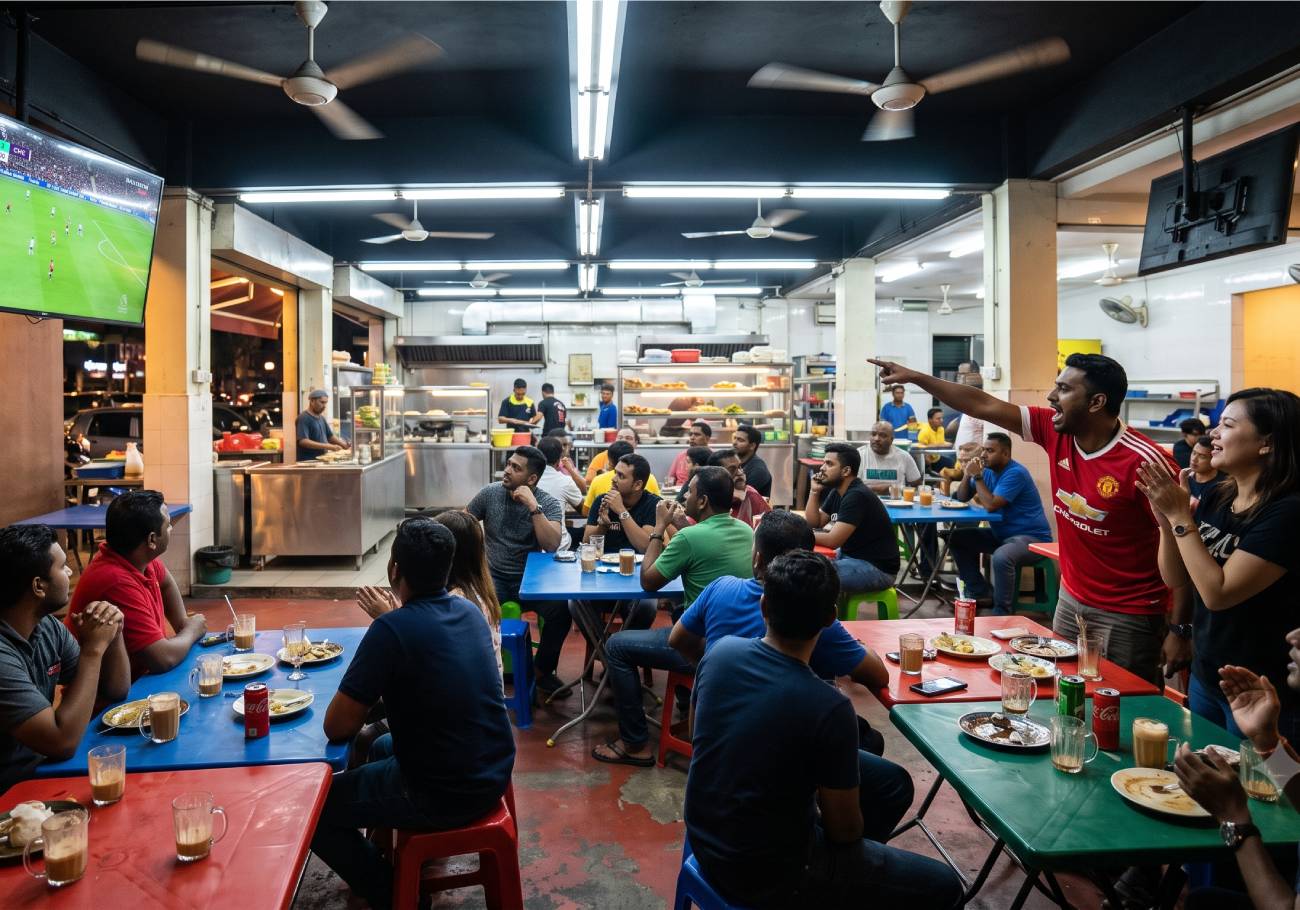
Earlier in our guide to watching the tournament at mamak stalls, we used the past World Cup as an example. All around the country was the familiar combination of big screens, late hours and shared reactions. This indicates that a football match can turn an ordinary meal into a neighbourhood occasion.
Mobile phones have now become part of everyday leisure
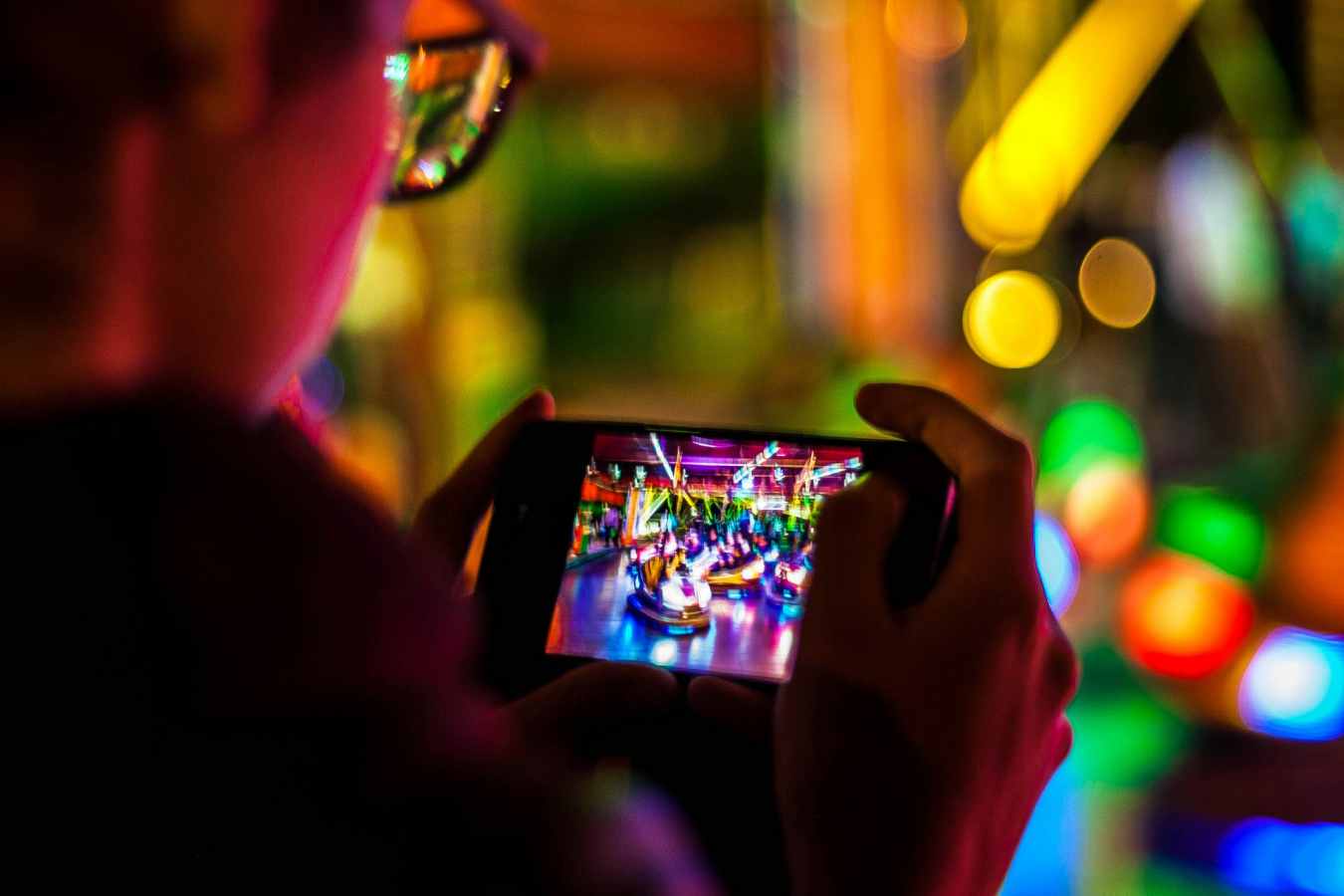
Digital entertainment mainly on mobile devices has now penetrated our everyday lives in Malaysia. Smartphone entertainment is now woven into routines that previously needed different devices or even a trip to a place.
For example, someone waiting for a friend can easily watch a short video to kill time; commuters on a bus can listen to music, podcasts, play games, etc. A family can watch a movie together at home using a mobile device. For sports, live football discussions happen in group chats even after the final whistle of a game is blown.
The scale at which we use our mobile devices for leisure is mostly thanks to widespread internet access and increased mobile phone usage. According to the Department of Statistics Malaysia’s 2025 ICT survey, the results reported that 97.1% of households have access to the internet, while a whopping 99.6% of individuals surveyed use mobile phones.
However, having access to the internet and using a mobile phone doesn’t mean everyone in Malaysia has the same habits. Still, it does mean that on-demand entertainment is now undeniably part of the everyday life of an ordinary person. Also, this widespread digital leisure did not replace the physical outing. At a Mamak table, it simply added another layer to the same evening.
From shared television to personal entertainment menus
One of the biggest changes in Malaysia’s leisure culture is the shift from shared television time to personal entertainment menus. Currently, there are many choices available in a single device.
Instead of waiting for a show or programme to be released or begin, many Malaysians can now watch local comedy clips, full movies, an episode of a series, football highlights, etc. Interestingly, many friends and family members can follow the same creators, programmes, series, etc., but watch them at different times.
Online gaming adds its own variety to this mix, from quick mobile puzzles and multiplayer matches to esports streams. Adult-oriented digital entertainment has followed the same path, with sites like GemBet casino in Malaysia sitting on the same home screen as streaming, social and gaming apps. The detail that matters is not any single activity, but the fact that one device now holds so many different ways to fill an evening.
What the Shift in Leisure Culture Means for Local Businesses in Malaysia
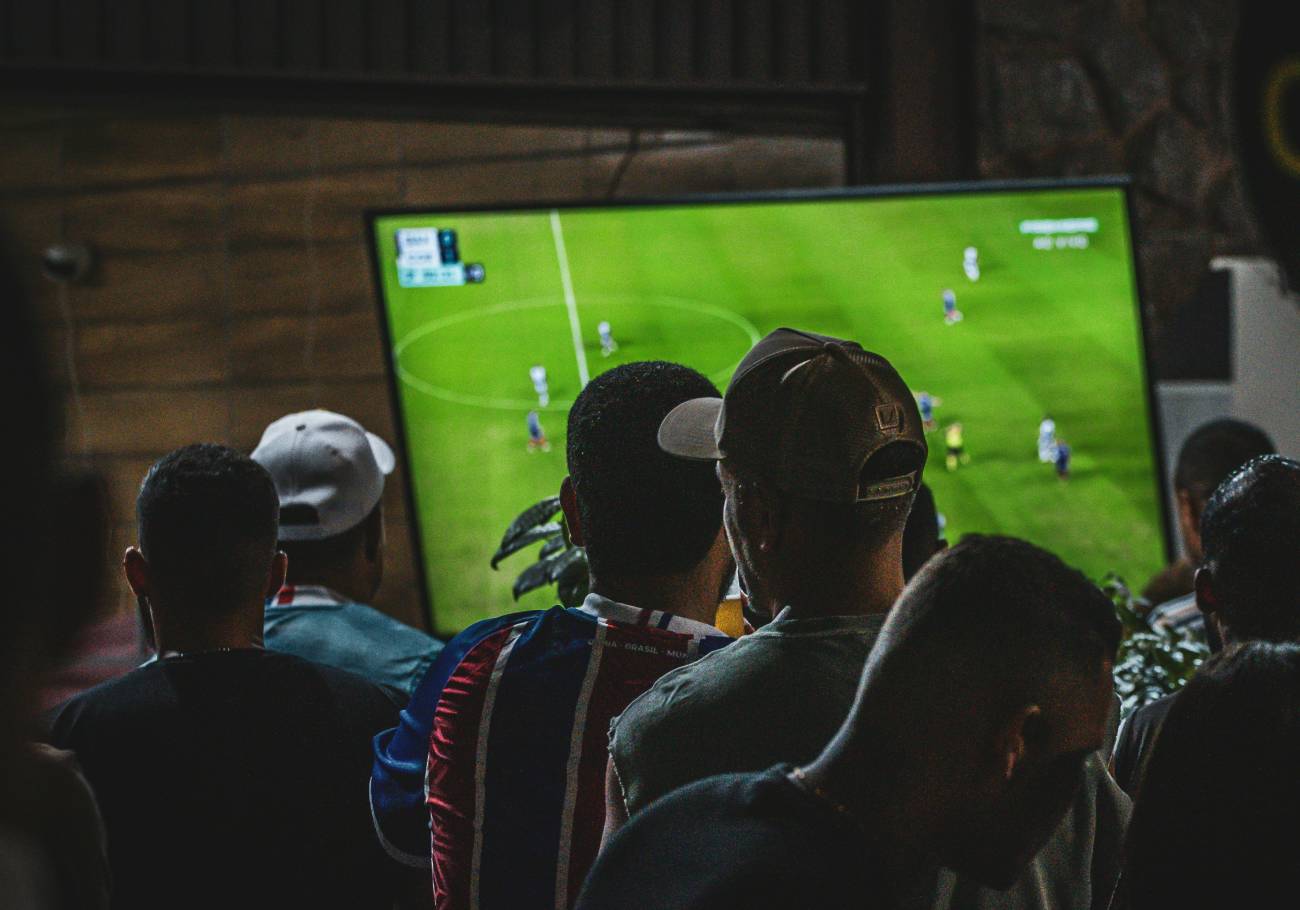
This shift in leisure culture didn’t affect many businesses negatively, but enhanced their services. For example, cafés, restaurants, and even event organizers understand the importance of mobile devices in how their customers discover them.
Some of the most famous ways to attract new customers and improve sales are a short clip of a place, a short clip of a new menu, an online event listing or a shared location pin.
However, the experience offered by the business has to justify the customer journey, and that includes reliable service, comfortable seating, good food and possibly an extra activity to keep them engaged and not bored.
The Social Habit Is More Durable Than the Device
Our leisure culture is currently evolving in layers. A football gathering can now include a live chat with friends in another city. A café visit might begin with a recommendation found on social media. A quiet evening at home can offer entertainment that once required a television schedule or a trip to a venue.
None of this makes the mamak stall obsolete. Its value lies in the people who gather there, the food they share and the conversations that unfold around a screen. Smartphones offer more ways to spend free time, but the familiar appeal of being together remains.




 Yalinie Mathan
 Sidhaarthan

 Sashidaran Gunathevan





Add comment