

 Sashidaran Gunathevan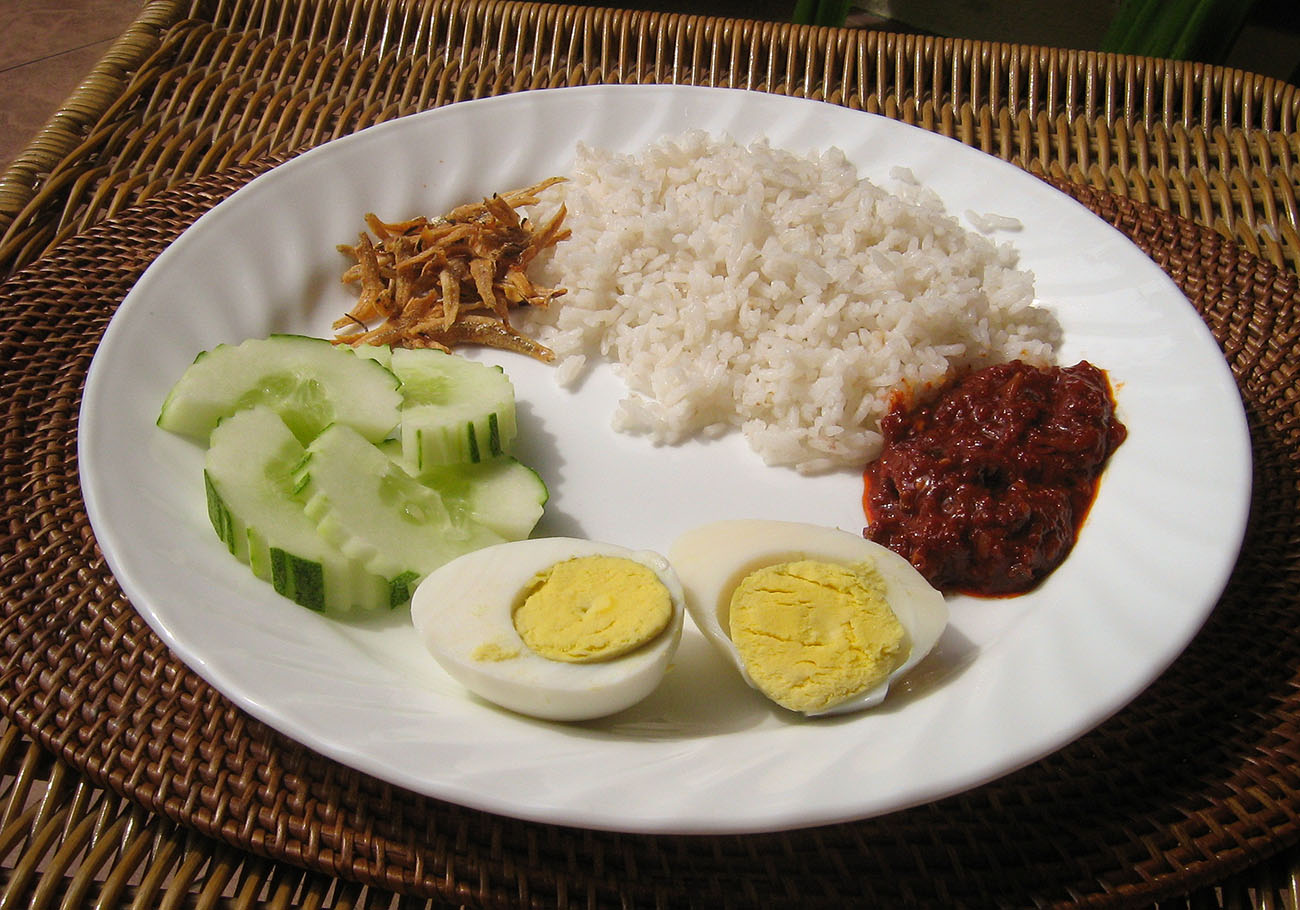
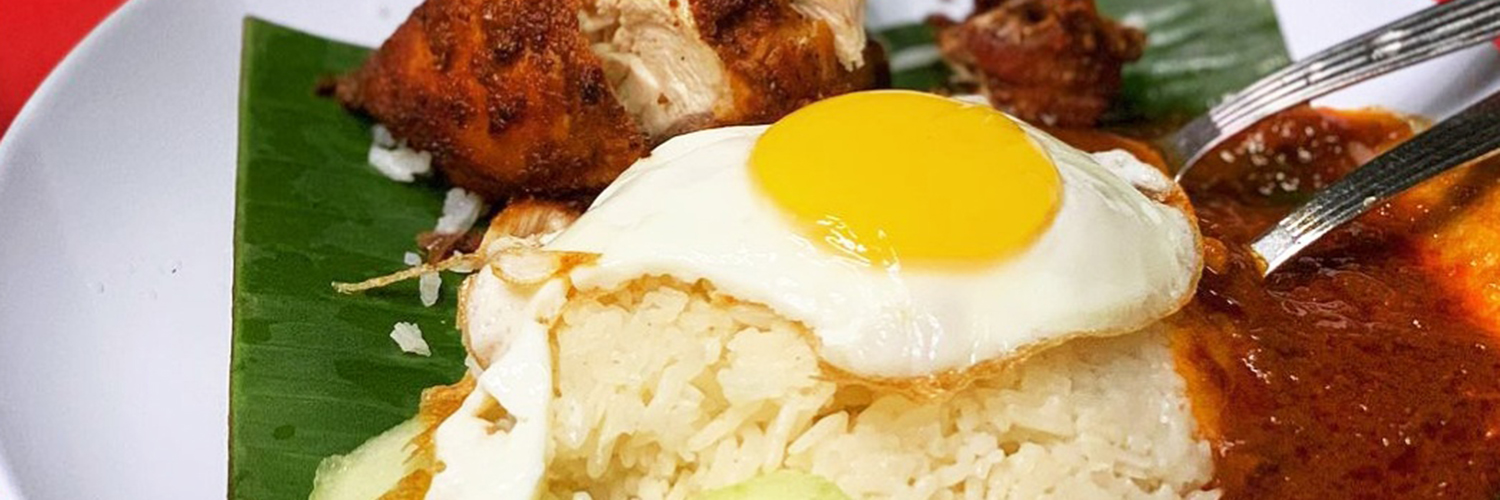
Ask any Malaysian and they will tell you nasi lemak is nasi lemak — coconut rice, sambal, anchovies, a fried egg, cucumber. Eat it in Kuala Lumpur, Johor Bahru, or Ipoh and you will recognise it instantly every time. For the most part, that is true. Nasi lemak is remarkably consistent across the Peninsula.
However, travel to a handful of states and something shifts. The rice changes colour. The sambal changes character. The side dishes change entirely. These are not imitations or inferior versions — they are older, regional adaptations shaped by local taste, geography, and history.
Why Nasi Lemak tastes the same almost everywhere
Before looking at the exceptions, it helps to understand why nasi lemak is so consistent in the first place.
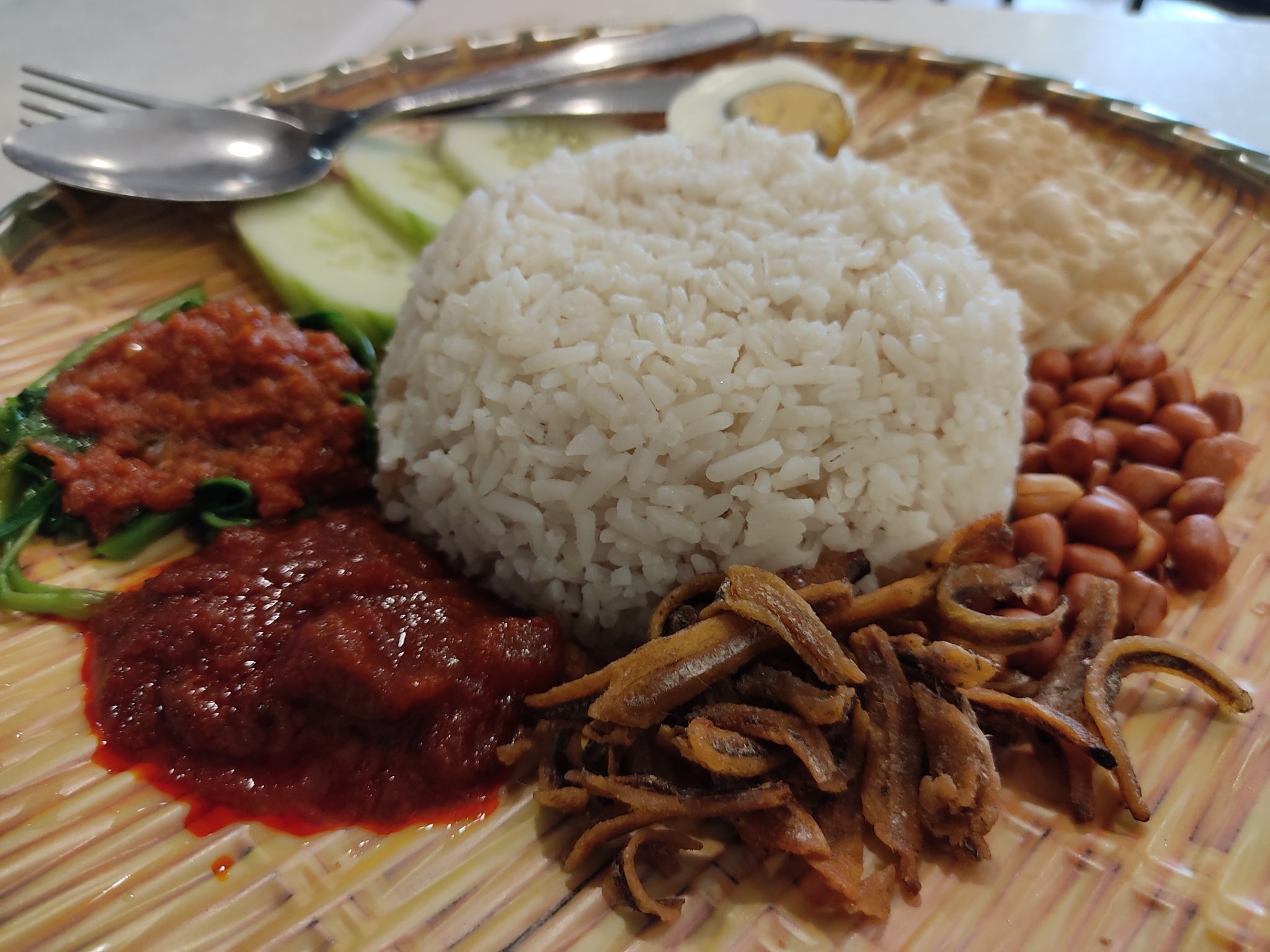
The core recipe — rice cooked in coconut milk with pandan leaf, served with sambal, fried anchovies, peanuts, cucumber, and a boiled or fried egg — became the everyday breakfast across Peninsular Malaysia largely through migration and urbanisation.
As people moved into cities and mixed with other communities, this version became the shared standard.
Furthermore, nasi lemak’s simplicity made it ideal for mass production — economy rice stalls, mamak restaurants, and hawker centres all replicate the same formula because it works, it is cheap, and it travels well.
As a result, a plate of nasi lemak in Klang Valley, Penang, Melaka, or Johor will taste broadly similar. The real differences emerge in states where local food culture developed somewhat independently — particularly the northern and east coast states.
Kedah and Perlis — The yellow rice version
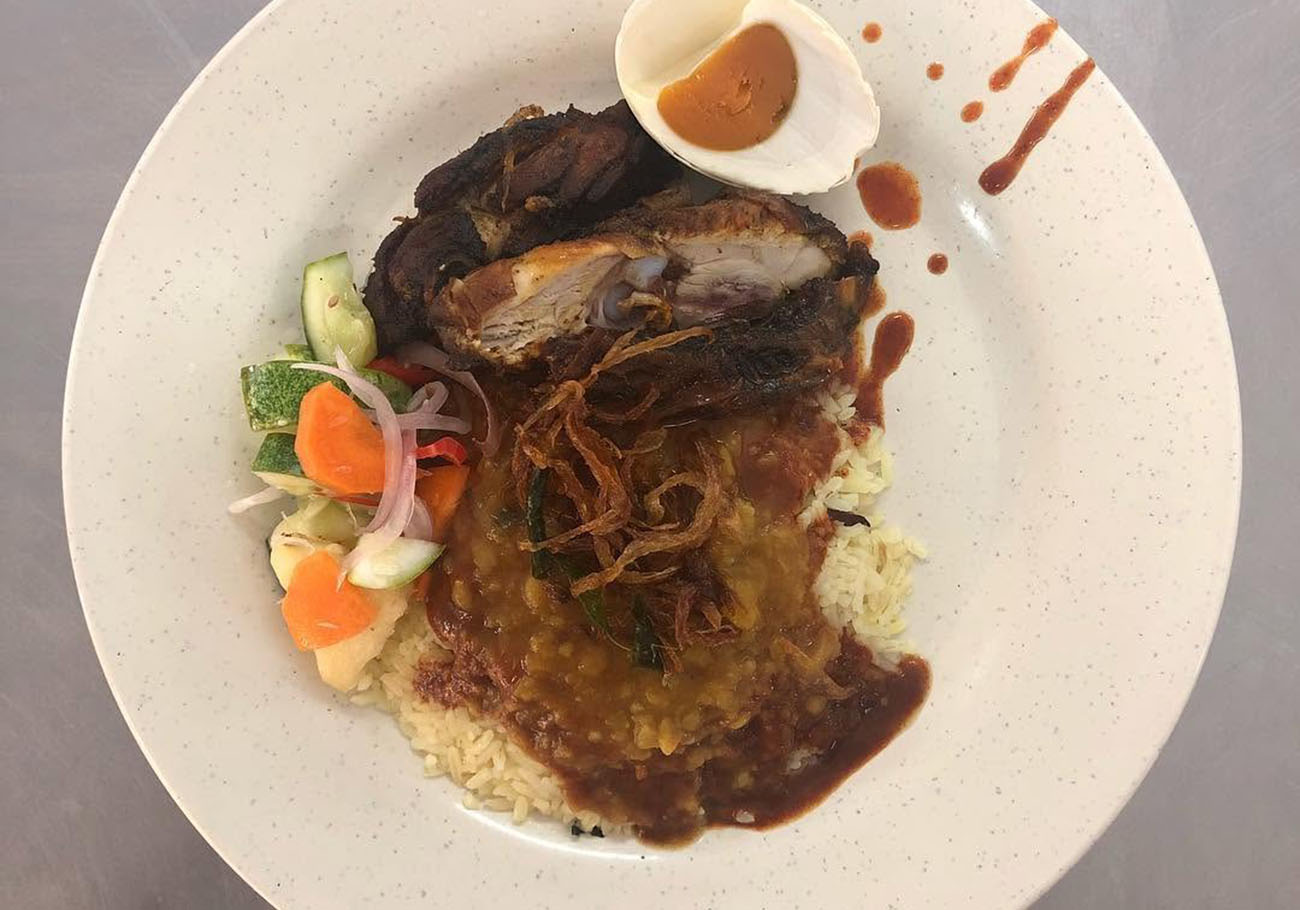
In Kedah and Perlis, nasi lemak often looks completely different before you even taste it. The rice is yellow, coloured and flavoured with turmeric cooked together with coconut milk and pandan — locally known as nasi lemak kuning. The result is a golden rice with a slightly earthy, peppery flavour quite different from the white coconut rice served elsewhere.
The plate itself tends to be more elaborate too. Alongside the fragrant pandan-infused rice, you will often find spicy sambal tumis, crispy fried peanuts, anchovies, boiled egg, and fresh cucumber — together with okra and other fried vegetables, adding a heartier, more substantial spread than the standard version.
If you are in Alor Setar, Nasi Lemak Haji Ali has been serving this style since 1958 — try the signature Nasi Lemak Utagha, though regulars warn the kuah can be fiery. In the Klang Valley, Nasi Lemak Royale Kedah in Ampang has built a loyal following for bringing the yellow rice style to KL, served nasi kandar-style with a wide range of curries and sides.
Additionally, the flavour profile is more complex than the standard version — closer to a mild curry than simple coconut rice. Consequently, first-time visitors sometimes assume they have been served the wrong dish entirely. They have not. This is simply how nasi lemak has always been made in the north.
Terengganu — Where fish replaces anchovies
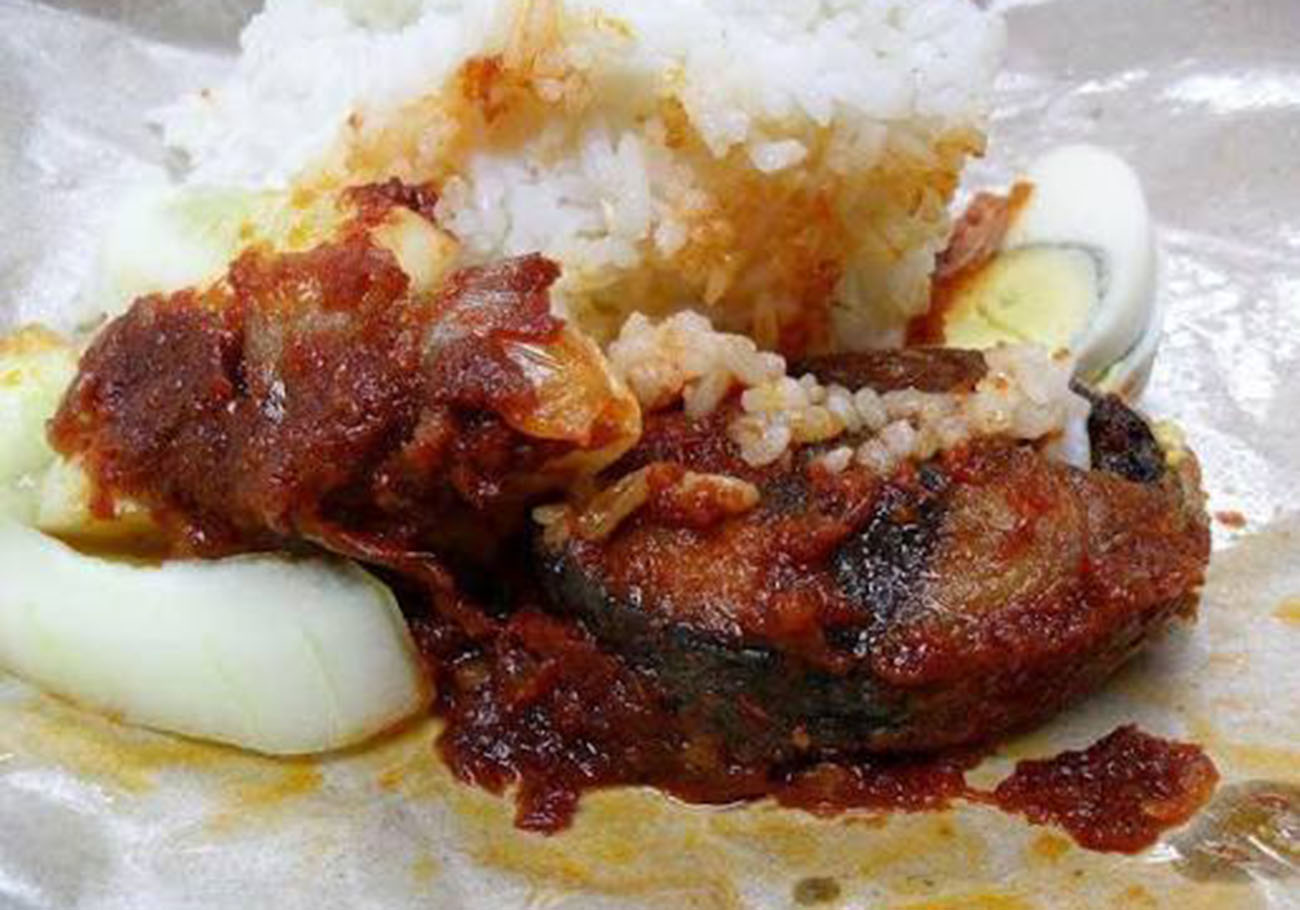
On the east coast, Terengganu’s nasi lemak takes a different turn. Instead of small dried anchovies, the sambal often features ikan tongkol — mackerel tuna, locally called ikan aya — giving it a heartier, more savoury depth.
Moreover, the sambal itself is frequently sweetened with gula nisan, a type of palm sugar unique to the region, balancing the saltiness of the fish. The result is a sambal that is richer, sweeter, and more robust than what you would find in a typical Klang Valley stall.
In Kuala Terengganu, Nasi Dagang Atas Tol is a local institution — though best known for nasi dagang, it also serves nasi lemak with ikan tongkol and draws long queues from as early as 7am.
For a more local, late-night experience, stalls around Pasir Panjang are well known among Terengganu locals specifically for their sambal ikan tongkol.
Melaka — A small but telling addition
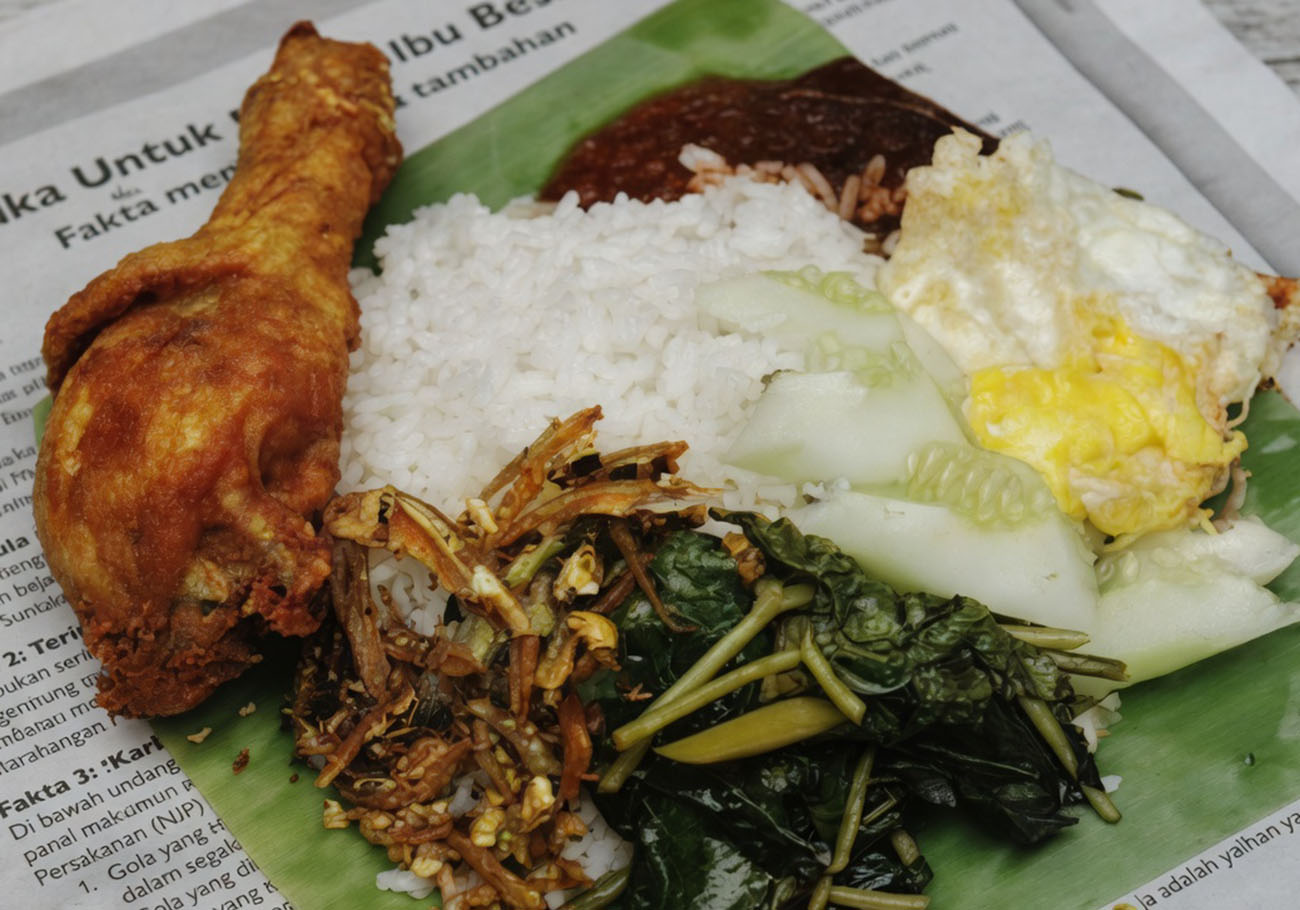
In Melaka, the difference is subtler but still noticeable. Nasi lemak here is often served with kangkung — water spinach, usually blanched — alongside the usual sides.
Nasi Lemak Tranquerah is the best-known example.
While the stall serves kangkung as part of its spread, cucumber remains on the plate too — so rather than a straight substitution, it is more an addition that reflects Melaka’s own culinary habits.
It is a small detail, but it reflects something larger: nasi lemak has never been a fixed recipe. Every region adapted it using what grew locally and what suited local taste.
So, Is Nasi Lemak the same everywhere?
Mostly, yes. If you are eating nasi lemak in any major Malaysian city, you are almost certainly getting the same dish your friends in another city are eating.
That consistency is part of why nasi lemak works as Malaysia’s unofficial national dish — it is familiar, comforting, and the same wherever you go.
But travel north to Kedah, east to Terengganu, or south to Melaka, and pay attention. The differences are real, rooted in local history, and worth seeking out. Next time you are in one of these states, skip the familiar version. Order the local one instead.


 C. Khor
 Maran Perianen
 Yalinie Mathan






Add comment