


 Sashidaran Gunathevan
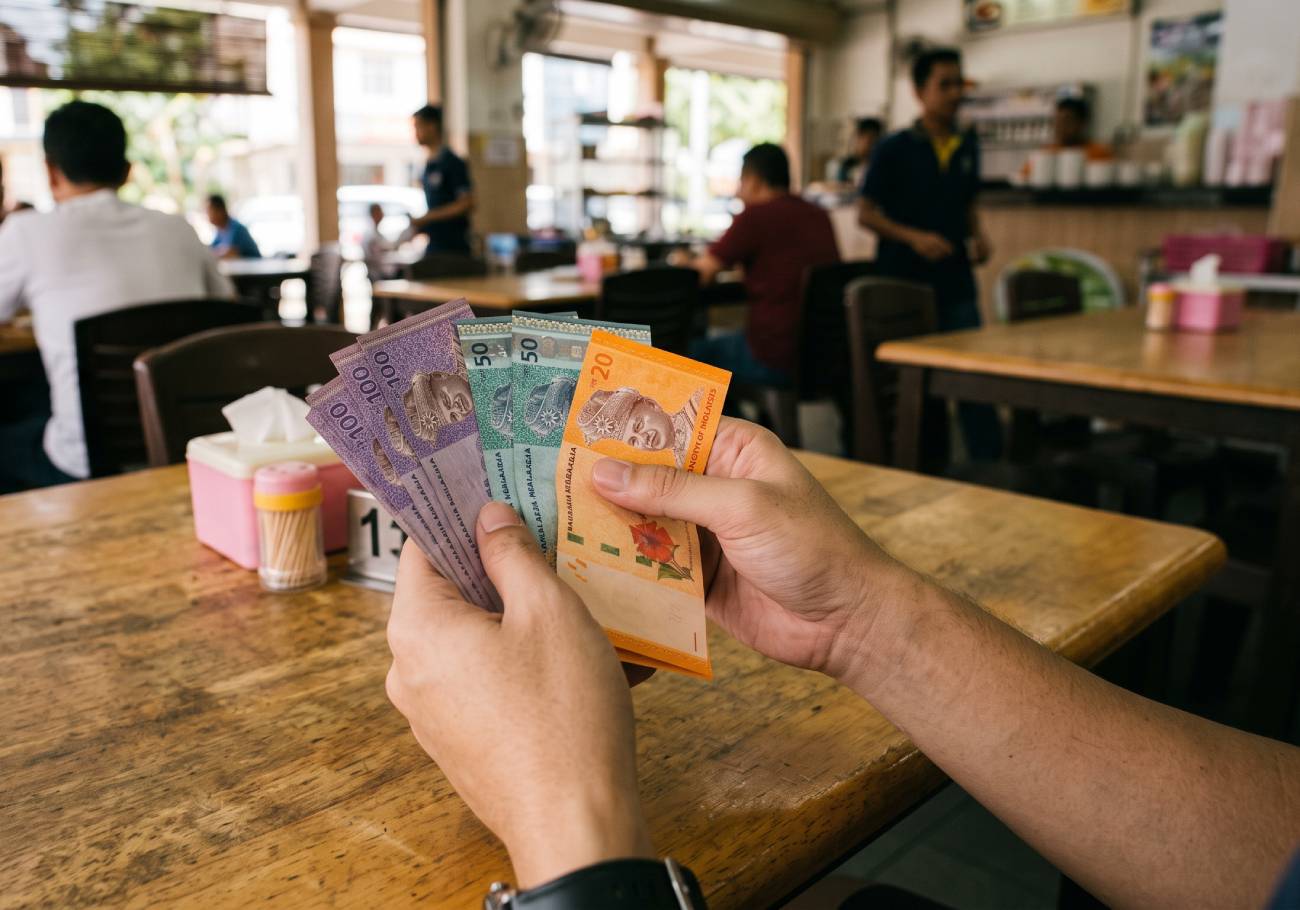
Malaysia inflation October 2026 edged up to 1.9% from 1.8% in September, driven mainly by steeper transport costs. The Department of Statistics Malaysia released the latest Consumer Price Index figures on 19 November 2026.
According to Malay Mail, the national Consumer Price Index climbed to 137.7 points from 135.1 points in October 2025. Transport prices led the acceleration, jumping 4.2% year-on-year compared with 2.5% recorded in September.
For everyday households and commuters, higher transport and utility charges directly tighten monthly budgets ahead of year-end school holidays. Tracking which spending categories are rising helps families manage fuel, grocery, and household bills more carefully.
Transport and utilities drive October price increases
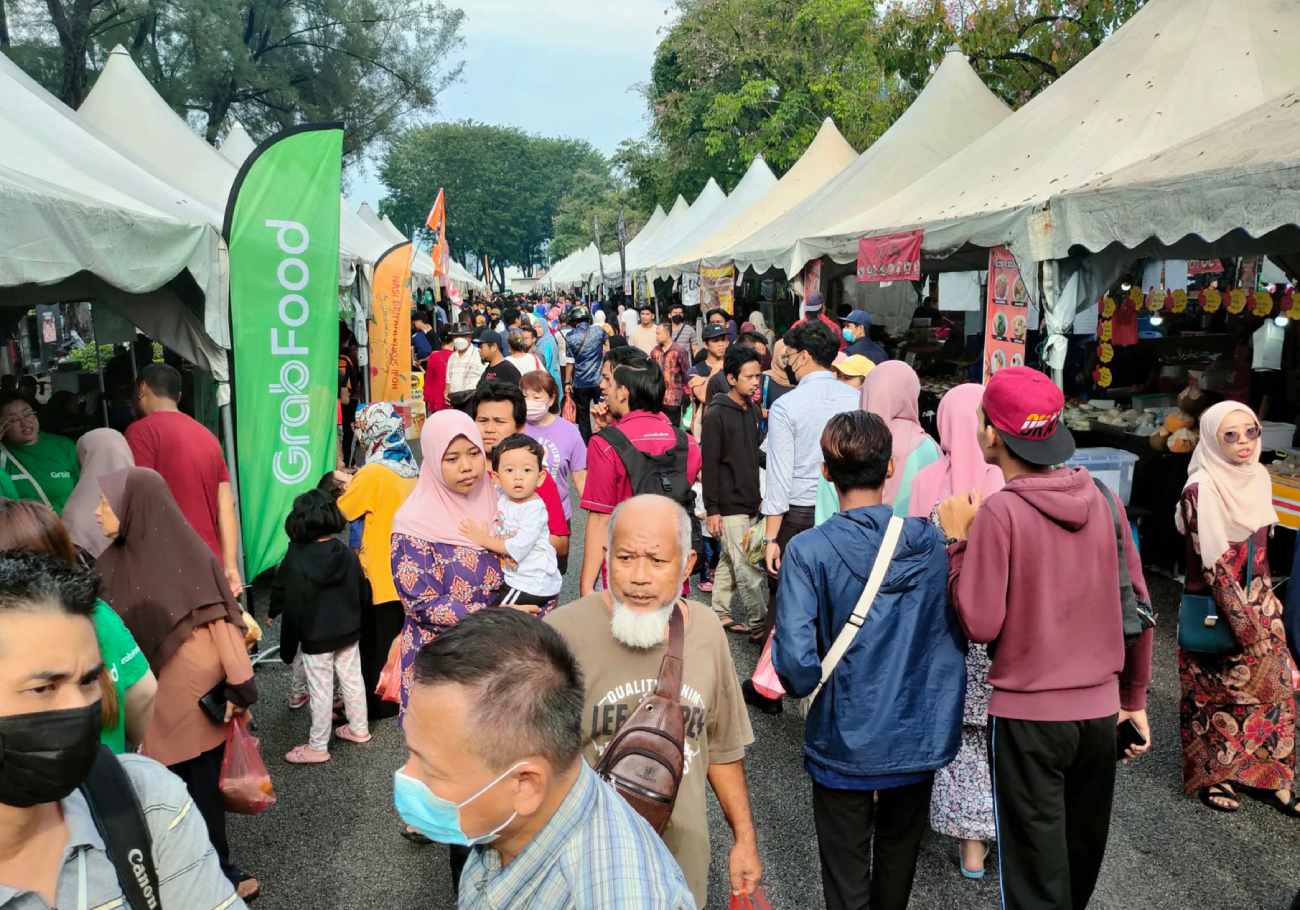
Beyond transport, several essential household categories recorded firmer price growth during October 2026. Housing, water, electricity, gas, and other fuels rose 1.9%, up from 1.4% in September.
Alcoholic beverages and tobacco increased 2.9%, while furnishings and routine household maintenance edged up to 0.5%. Clothing and footwear also ticked higher to 0.3%, compared with 0.2% a month earlier.
Meanwhile, food and beverages inflation moderated slightly to 1.7% from 1.8%, and restaurant and accommodation inflation eased to 2.1%. Education remained steady at 1.8%, while health and communications stayed unchanged at 1.4% and 1.8%.
On a month-on-month basis, headline inflation rose 0.1%, matching September’s pace as transport climbed 0.7% from the prior month.
Seven states record inflation above the national average

Regional data shows seven states and federal territories experienced price increases faster than the 1.9% national rate. Negeri Sembilan posted the highest inflation nationwide at 2.6%, followed closely by Kedah at 2.5%.
Johor and Putrajaya tied at 2.3%, while Pahang and Labuan each recorded 2.2% inflation in October. Selangor also exceeded the national benchmark at 2.1%, reflecting higher urban transport and housing pressures.
READ MORE: MyKomuter50 pass opens 16 Nov at 34 KTM stations for RM50
READ MORE: Banana leaf meal in Penang: from RM1.20 to RM14.90 a set
READ MORE: MediAsas medical plan: costs, limits and how it compares
Every Malaysian state registered positive food and beverage inflation during the month except Kelantan, where food prices declined.
Residents in higher-inflation states face steeper cumulative cost pressures across daily commuting and household utilities than national averages suggest.
Practical steps for commuters and households
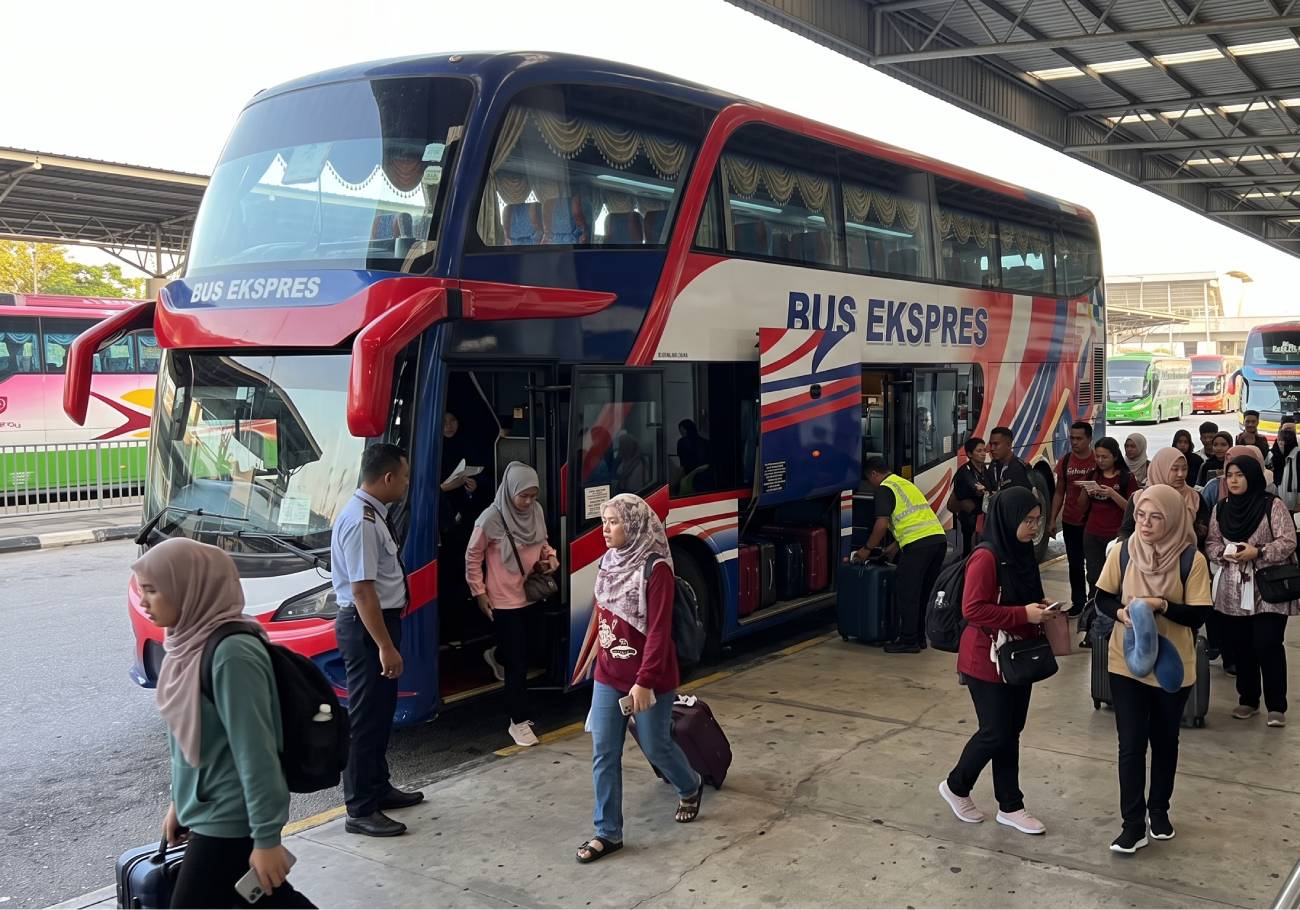
With transport costs rising 4.2% annually, daily commuters can trim monthly travel expenses by switching to unlimited transit passes. Klang Valley and regional rail users can check out the MyKomuter50 pass, which caps 30-day KTM Komuter travel at RM50.
Shoppers can also compare unit prices at local wet markets and community grocers where food inflation remains relatively contained. Monitoring monthly utility usage helps offset the 1.9% rise in housing, water, and electricity charges.
Citizens Journal earlier examined how inflation affects everyday dining in its report on banana leaf meal prices in Penang and medical plan cost trends.
Reviewing recurring transport and utility subscriptions now gives households a clearer buffer before year-end holiday spending begins.



 Maran Perianen

 Admin

 C. Khor





Add comment