


 Admin
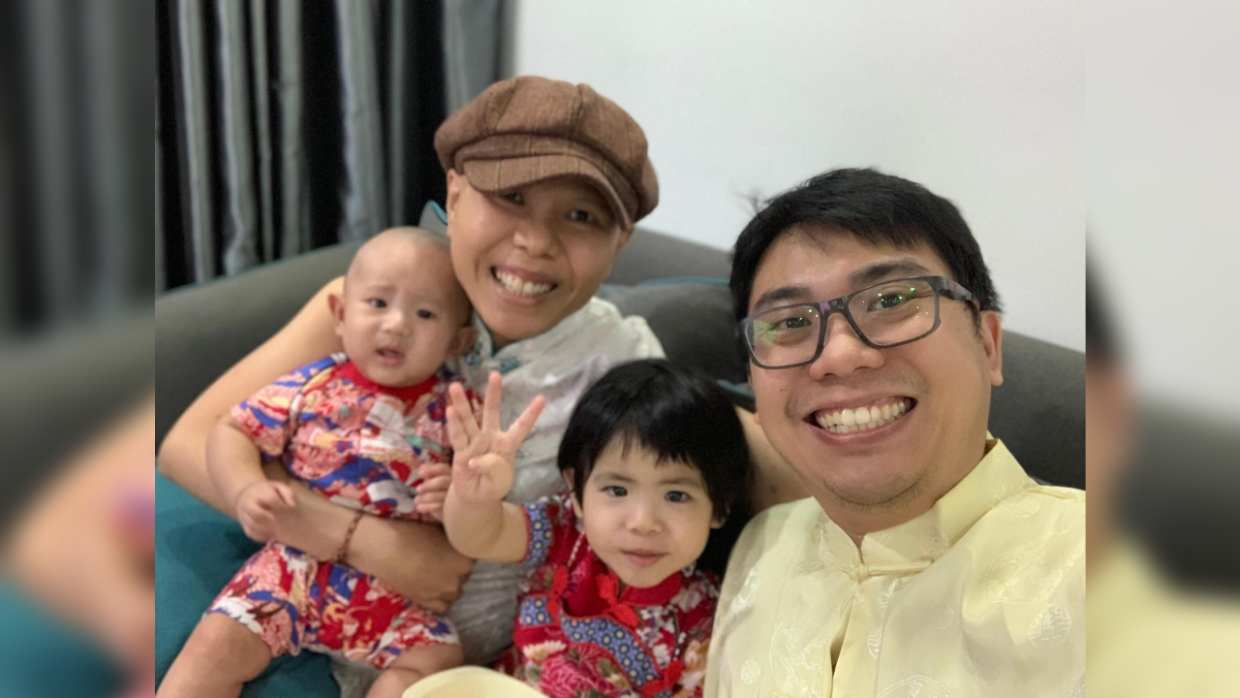
AdminWhen Madam Tan Chiew Mei was diagnosed with breast cancer while pregnant with her second child, her first thoughts were about her family and whether she would be able to raise her young daughter.
She cried through the night before focusing on two priorities: “I want to get it treated. And I want to keep my baby.”
Madam Tan, then 37, had discovered a hard lump in her breast. Although an initial ultrasound reassured her, a follow-up assessment two weeks later found that the lump had grown. A biopsy confirmed triple-negative breast cancer, and chemotherapy began within days.
While treatment decisions came quickly, understanding what to ask her doctors proved more difficult.
“I just didn’t know what to ask,” she recalled, explaining that she sometimes drew a blank when invited to raise questions during consultations.
Her experience highlights a challenge faced by patients beyond diagnosis: understanding treatment, managing side effects and finding support while coping with uncertainty.
Understanding treatment and asking the right questions
Consultant clinical oncologist Dr John Low Seng Hooi of OncoCare Malaysia said treating breast cancer during pregnancy requires careful consideration of both the mother’s health and the baby’s wellbeing.
The choice and timing of medicines, as well as monitoring, require coordination between the oncology team, obstetrician and breast surgeon. As not all cancer medicines are suitable during pregnancy, treatment decisions must be tailored to each patient’s circumstances.
Dr Low encourages patients to ask about the purpose of treatment, why a particular approach is recommended, its expected duration and possible side effects. Understanding what the cancer’s type and stage mean for an individual treatment plan can also help patients make informed decisions with their medical team.
“There are no questions that you cannot ask your treatment team,” he said.

For Madam Tan, the challenges extended beyond medical appointments. Following an induced delivery, she underwent surgery the next morning and woke feeling weak and in pain. With a newborn and an older daughter to care for, she still had further chemotherapy ahead.
She experienced hair loss, leg pain and tingling that made walking difficult, as well as sore gums and itchy skin. She also had to adjust to being unable to breastfeed her son during chemotherapy.
Support beyond the hospital matters
Oncology nurse educator Norhaniza Bt Mohd Rashid said patients may struggle to remember everything explained during consultations, making caregiver involvement and continued communication with healthcare teams important.
She encourages patients to ask which symptoms require urgent attention, whom to contact between appointments and what precautions are needed at home. Patients can also discuss practical concerns such as appetite, work commitments and daily activities.
Madam Tan relied on her husband to accompany her to appointments, her mother to prepare meals and her siblings to help care for the children. Her employer also checked the company’s prolonged illness leave policy, allowing her to take time away from work.
“Whenever there was a doctor’s appointment, the whole village would come to my house,” she said.
Emotional support was equally important. Madam Tan watched Korean dramas and did light chores when she felt able, while conversations with other patients helped her feel less alone.
“We need to listen with no rush,” Nurse Norhaniza said, describing the importance of understanding what patients are worried about rather than expecting them always to remain positive.
Now a mother of three, Madam Tan continues to attend follow-up appointments and says her checks have been clear so far. She advises women not to delay seeking medical advice when they notice an unfamiliar breast change.
Her message to patients is straightforward: “Just ask whatever. Don’t feel shy to ask.”
As part of Breast Cancer Awareness Month, her experience serves as a reminder that patients can ask questions throughout their treatment journey, seek reliable medical information and discuss emotional, family and practical concerns with their healthcare teams. Support is also available through organisations including the Breast Cancer Welfare Association, Majlis Kanser Nasional and the National Cancer Society Malaysia.


 Sashidaran Gunathevan
 Yalinie Mathan
 Navin Kumar Perianen




Add comment