

 Maran Perianen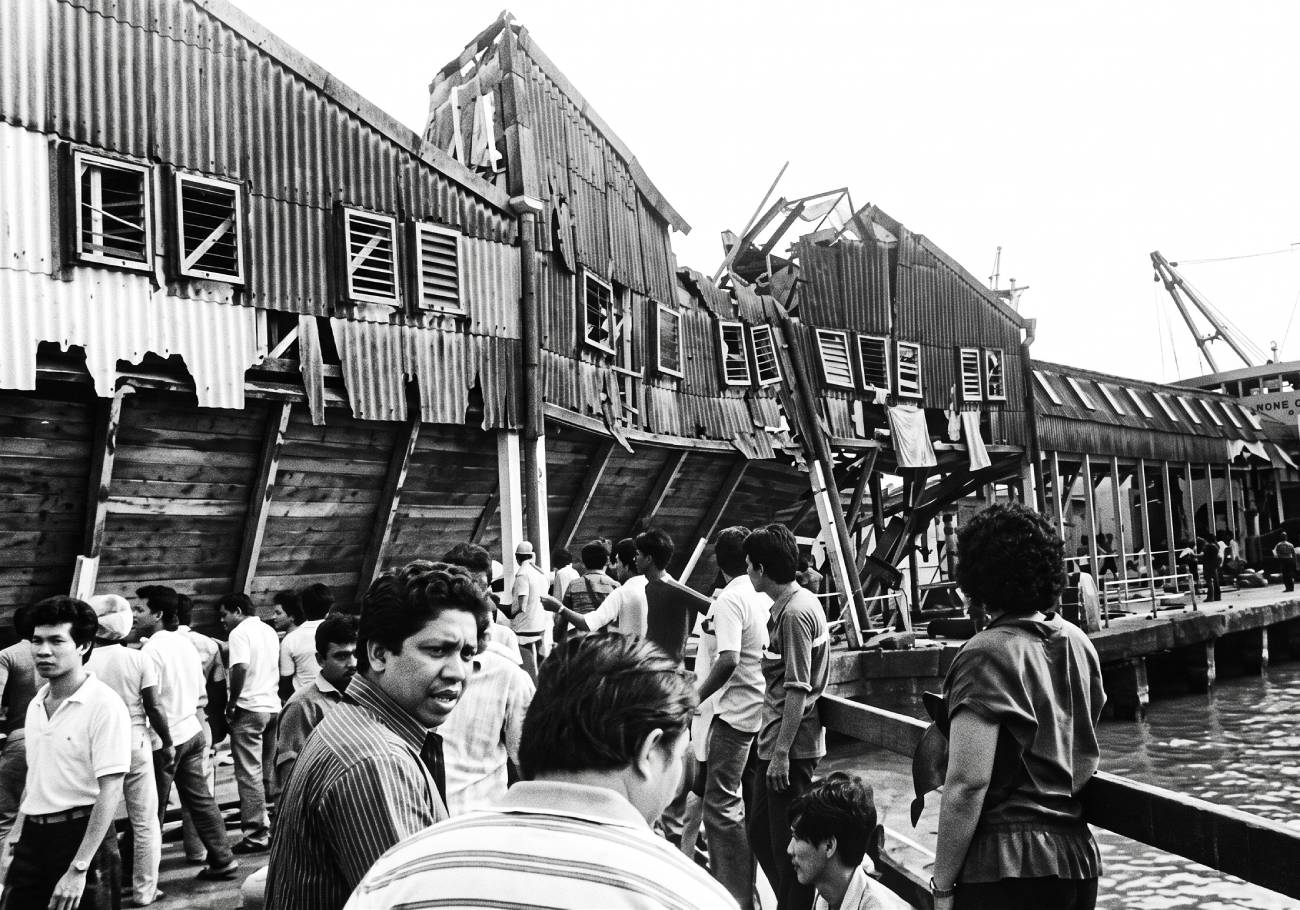
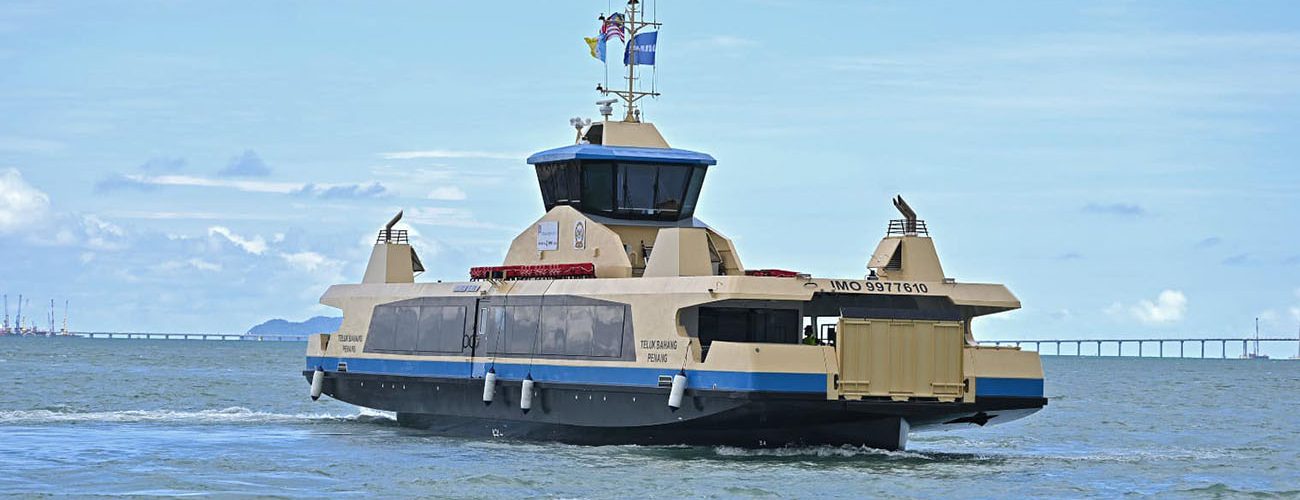
On September 2, 2026, a ferry near the Sultan Abdul Halim Terminal collided with an oil tanker. The collision injured 21 passengers. By the standards of what this crossing has seen, it was a close call. The Penang Strait has witnessed far worse.
On 31 July 1988, the wooden floor of the passenger bridge at the Sultan Abdul Halim Ferry Terminal collapsed. An estimated 10,000 people were on it when it gave way. Thirty-two people died. Another 1,634 sustained injuries. It remains one of Malaysia’s worst peacetime disasters and one of the most traumatic days in Penang’s modern history.
The 1988 collapse is still remembered by everyone who was there. This article is not about comparing tragedies. It is about what history asks of the people responsible for public safety — and whether the lessons of 1988 have been fully learned.
Why 10,000 people were at the terminal that afternoon
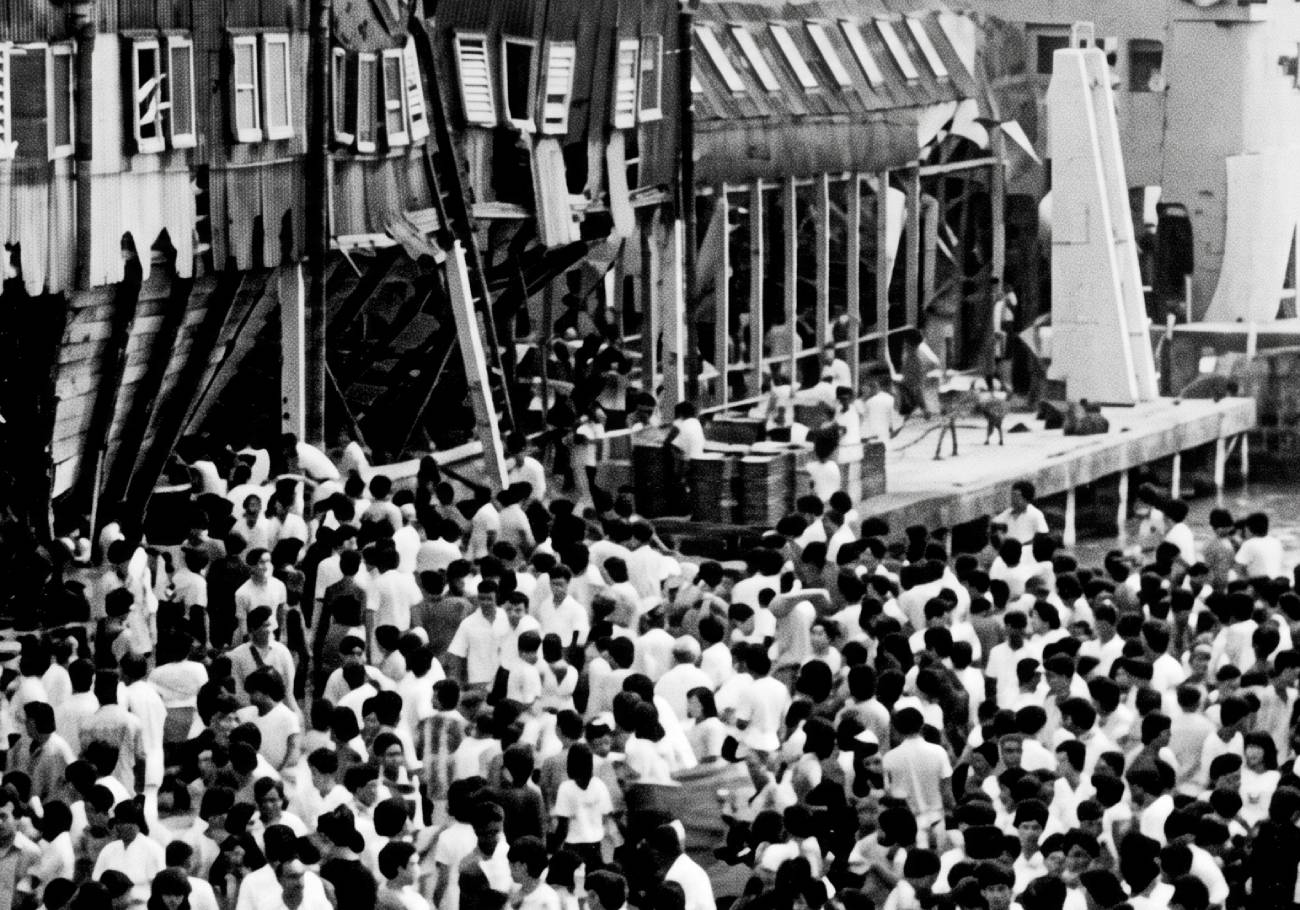
On 31 July 1988, two major festivals were coinciding in Penang — and one of them happened only once every 60 years.
The Kuan Yin festival honoured the Goddess of Mercy with a decorated float procession at the Esplanade in George Town. But this was no ordinary celebration. According to the Chinese calendar, the event that year fell on a cycle that repeats only once in six decades. Devotees had come from Singapore, Hong Kong and Taiwan. The crowd drawn to Penang Island that day was extraordinary by any measure.
Thousands of people had crossed from Butterworth to the island during the day. By the evening, they were returning. The Butterworth terminal filled beyond any reasonable capacity. Around 10,000 people packed the wooden passenger bridge. The structure dated from 1956. Engineers never built it for anything close to that load.
At 4.40pm, the floor beams snapped. The floorboards gave way. Passengers fell into the debris below. The collapsing structure and the falling crowd crushed many below. Police officers at a nearby station heard the sound. Ambulances rushed to the scene. Helicopters hovered overhead. The chaos continued for hours.
What reporters and rescuers found
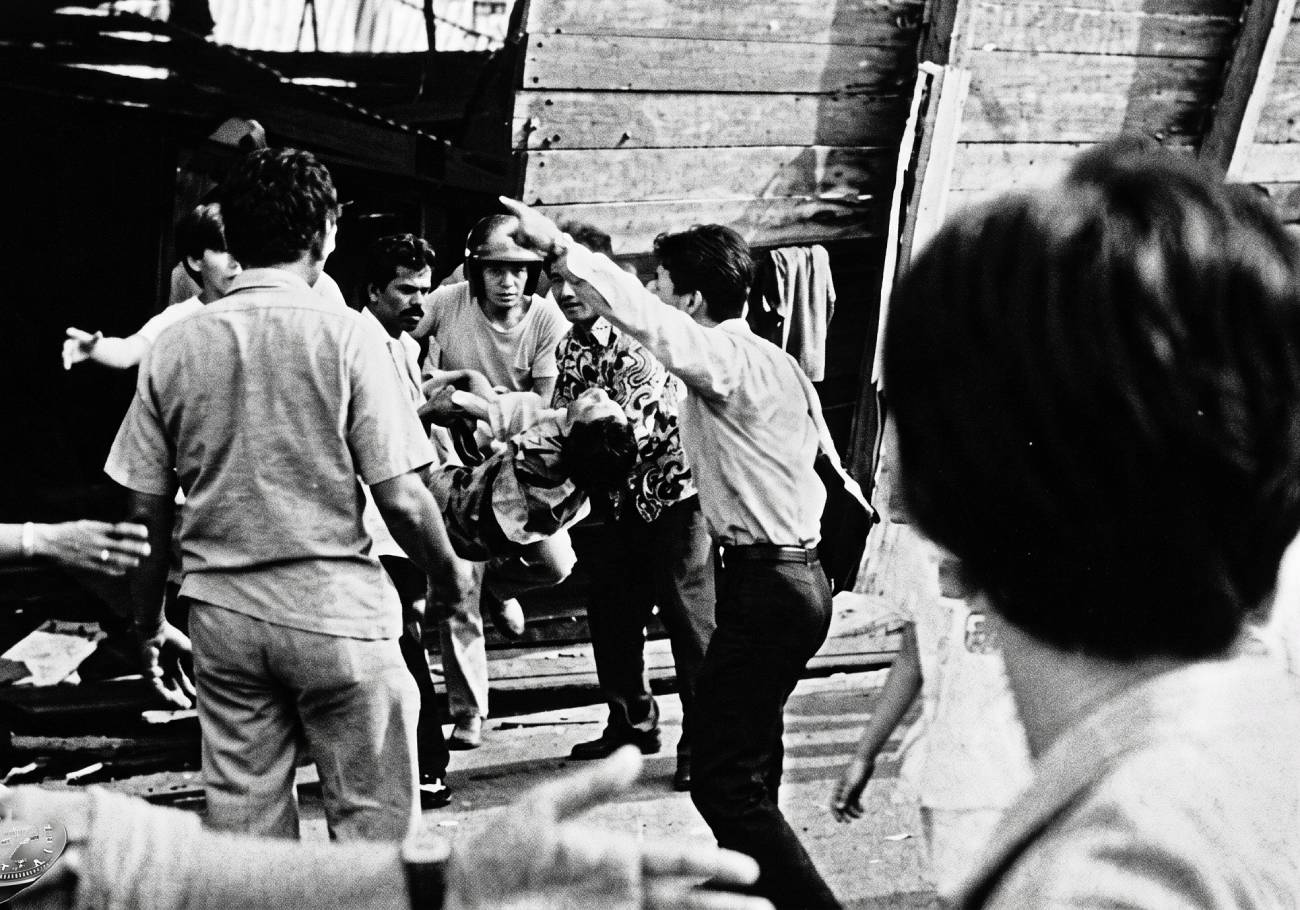
The Star reporter Paul Gabriel reached the terminal within hours. He later described the scene — blood-stained ambulances, sirens and crowds still in shock. By late evening he had reached the district hospital in Butterworth. He counted bodies in the morgue to give his editor the most accurate figure possible.
He counted 31 that night. Police confirmed 32 the following day. One image from the wreckage lasted decades in public memory. A child, trapped in the debris alongside the body of her dead mother. Twenty-one years later, a television crew found her. By then a young adult, still carrying the memory of that afternoon.
Twelve government and emergency response teams worked through the rubble. The structure — steel bars and wooden flooring — was never built for what the crowd demanded of it. Aged infrastructure and extraordinary overcrowding combined to catastrophic effect.
Penang ferry: What changed after 1988
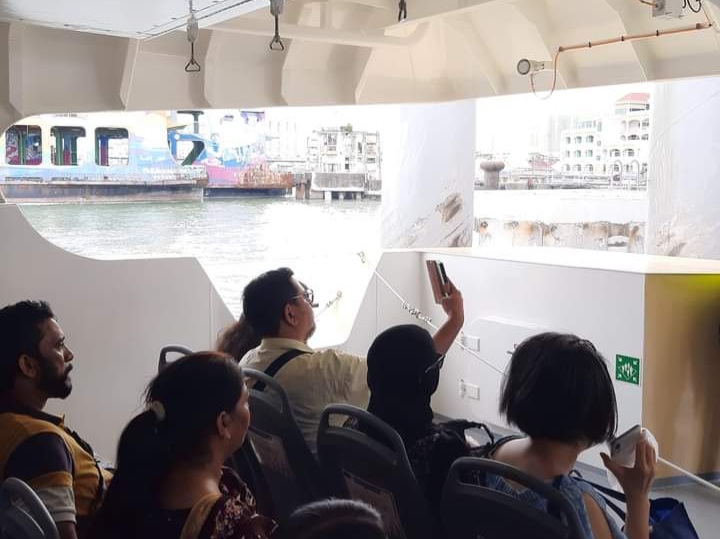
The old passenger terminal was never rebuilt. After the disaster, engineers modified the vehicular terminal next door to handle both vehicular and foot passengers. The Butterworth-George Town crossing saw its ferry fleet halved — from roughly a dozen to around six.
Investigators concluded overcrowding and structural failure caused the collapse. The Penang Port Commission chairman, Datuk Seri Syed Mohamad Aidid Syed Murtaza, declined to resign when reporters confronted him. He told The Star: “I will not quit. I am not going to run away from this tragedy. I will stay and put things right. That is my commitment.”
The terminal was not the only thing that changed. The first Penang Bridge had opened three years earlier, in 1985. Critics later argued the ferry service was left to decline after the bridge opened. Fewer ferries, reduced capacity, the old terminal never rebuilt. That debate continues.
The ferry service today, a reminder not a comparison
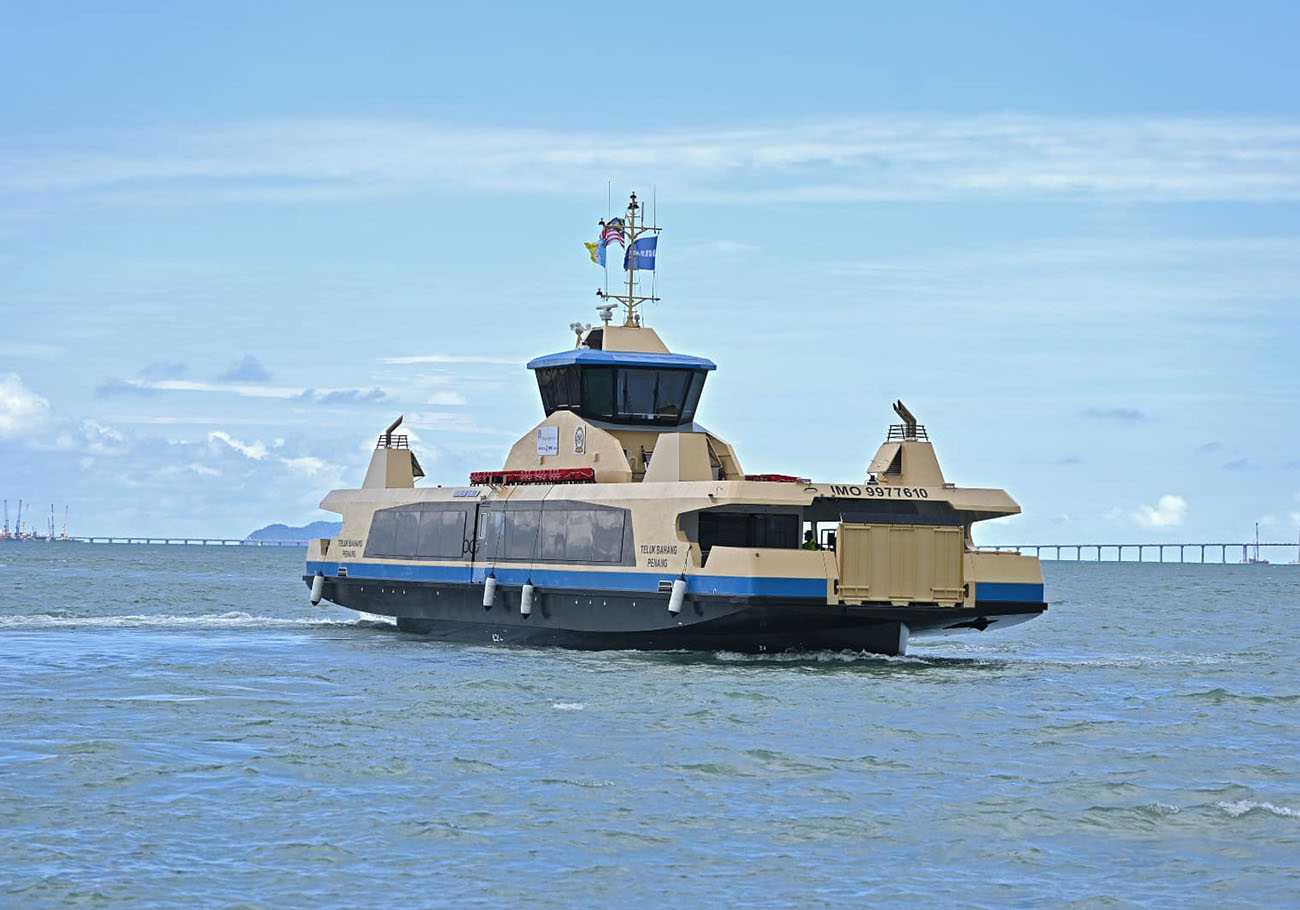
The Sultan Abdul Halim Ferry Terminal still operates, serving commuters and visitors crossing between Butterworth and George Town. The Penang Ferry Service has operated continuously since 1894. It is one of the oldest in Southeast Asia.
Today’s collision injured 21 people. All received treatment. By the measure of what happened in 1988, it was a minor incident. But minor incidents on public transport have a way of becoming major ones when vigilance slips.
The 1988 collapse happened because a structure built in 1956 was not maintained or monitored for the loads it would eventually face. Overcrowding was visible before the floor gave way. The warning signs were there. Thirty-two people died because the system did not act on them in time.
Malaysia’s public transport network — ferries, trains, buses, highways — moves millions of people every day. Each one of those journeys involves a degree of trust that the infrastructure is sound, the operators are trained, and the authorities are watching. That trust is not a given. It has to be earned and maintained every single day.
Today’s ferry incident is a reminder. Not of how bad things can get — Malaysians already know that. But of how quickly they can — and why the people responsible for public safety on the water, on the rails and on the roads must never stop being vigilant.

 Yalinie Mathan
 C. Khor




Add comment