


 Yalinie Mathan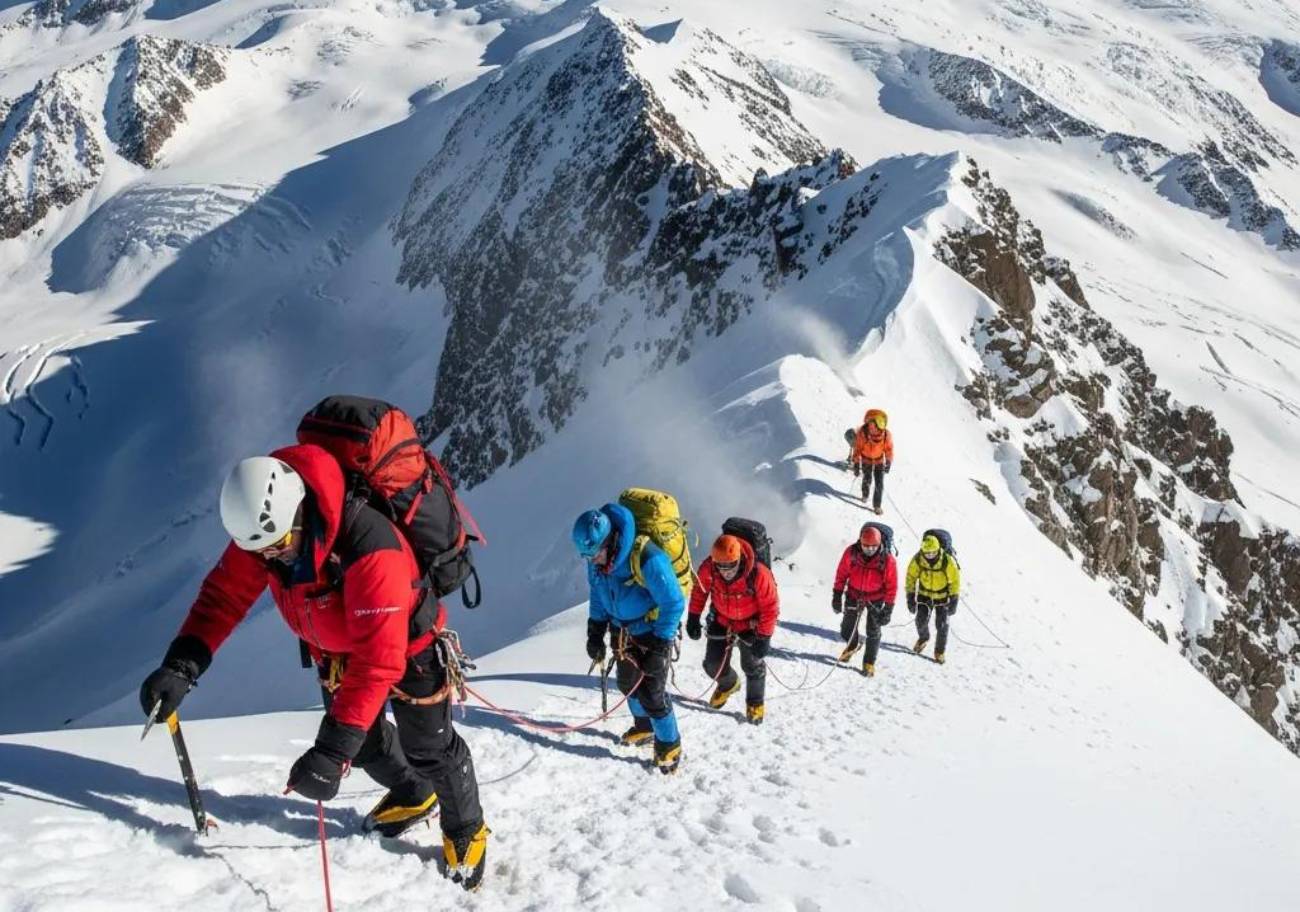
A Malaysian climber died while descending Europe’s highest mountain on Saturday. The 48-year-old was part of a three-person Malaysian team on Mount Elbrus in Russia. He died on July 11.
Wisma Putra confirmed the death in a statement on Sunday. The climber was part of an expedition organised by a local operator. The Malaysian Embassy in Moscow has contacted the family in Malaysia. It is coordinating consular assistance to ensure arrangements are handled smoothly.
The ministry offered its condolences to the family. Two other Malaysians on the same expedition were unharmed. Russian rescue teams evacuated the body to the Azau glade at the base of the mountain.
About Mount Elbrus
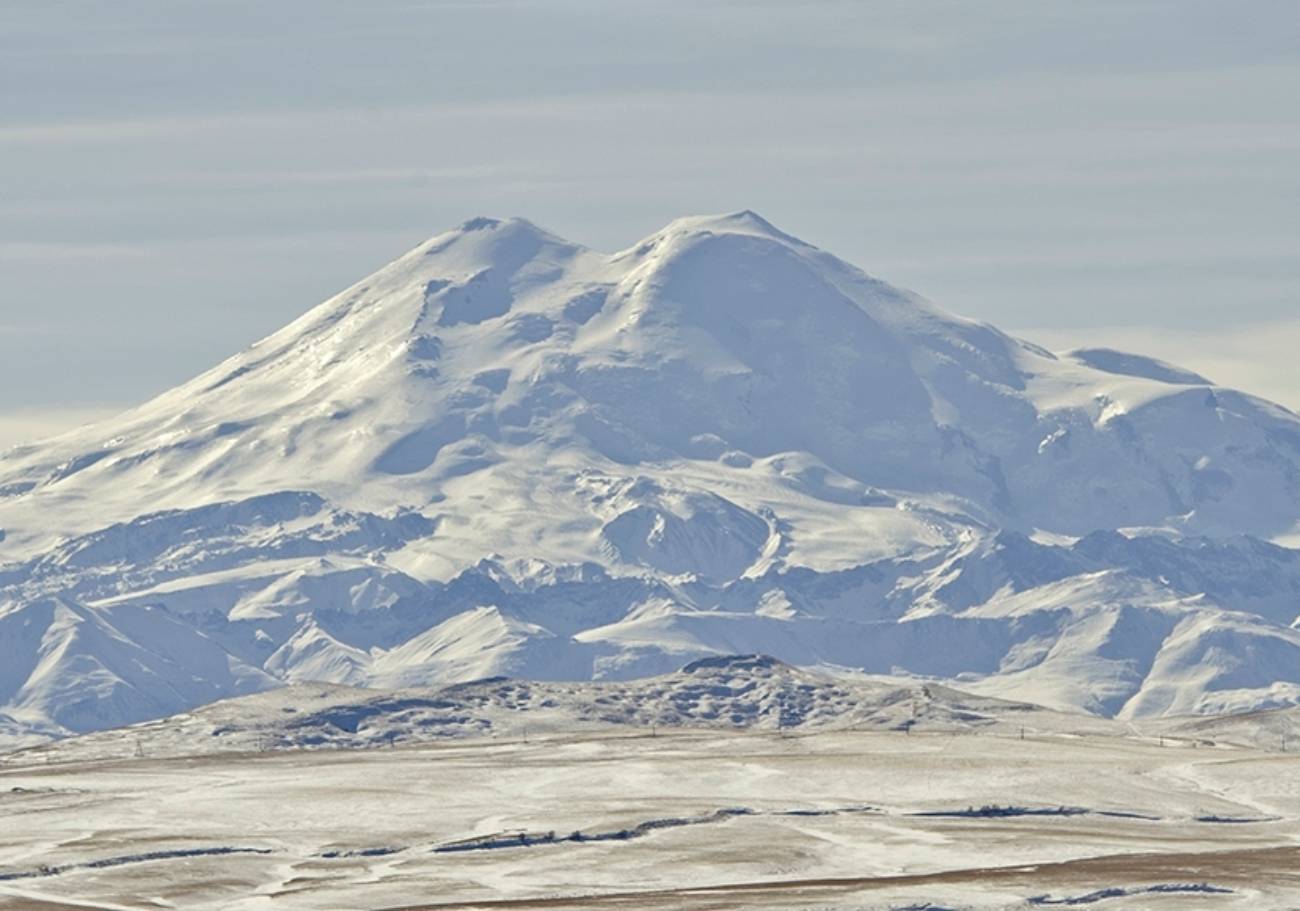
Mount Elbrus is a dormant volcano in the Caucasus Mountains in southern Russia. At 5,642 metres, it is the highest peak in Europe. It is also one of the Seven Summits — the highest mountain on each of the seven continents. Climbers worldwide target it as part of the Seven Summits challenge.
Elbrus is one of the easier Seven Summits to climb. Ski lifts go up to about 3,800 metres, cutting down the physical climb. Above 5,000 metres, the risks are serious — altitude sickness, extreme cold and fast-changing weather.
Most Elbrus deaths happen on the way down, not up. Fatigue after summiting, shifting snow and bad weather can turn a successful ascent into a deadly retreat. The Malaysian climber died during the descent, consistent with this pattern.
Russian emergency services noted in their initial report that the group was unregistered. Two guides were present. Whether that had any bearing on the outcome is not yet clear.
A pattern that is becoming harder to ignore

The Elbrus death is the latest in a series of Malaysian mountaineering fatalities in quick succession. In June 2024, a 53-year-old Malaysian man collapsed near the Kinabalu summit. His guide attempted CPR but could not save him.
Two months later in August 2024, a 54-year-old Malaysian woman died from hypothermia while descending the same mountain. In February 2025, a 65-year-old Malaysian man lost consciousness on Mount Kinabalu during a climb with his wife.
Three Malaysians died on Kinabalu alone in less than a year. Kinabalu stands at 4,095 metres — less than half the height of Elbrus. The causes — heart attacks, cold, collapse — point to one thing: underestimating what high mountains demand.
Malaysian climbers have also died on far higher peaks. In 2023, a Malaysian police officer died on Mount Everest. Fellow Malaysian climber Muhammad Hawari Bin Hashim went missing on Everest the same year and has not been found.
The trend reflects a surge in Malaysian interest in mountaineering. Middle-aged professionals are pursuing the Seven Summits or Kinabalu as bucket-list goals. The ambition is admirable. But medical and altitude preparation has not always kept pace with the aspiration.
What the risks actually look like above 5,000 metres
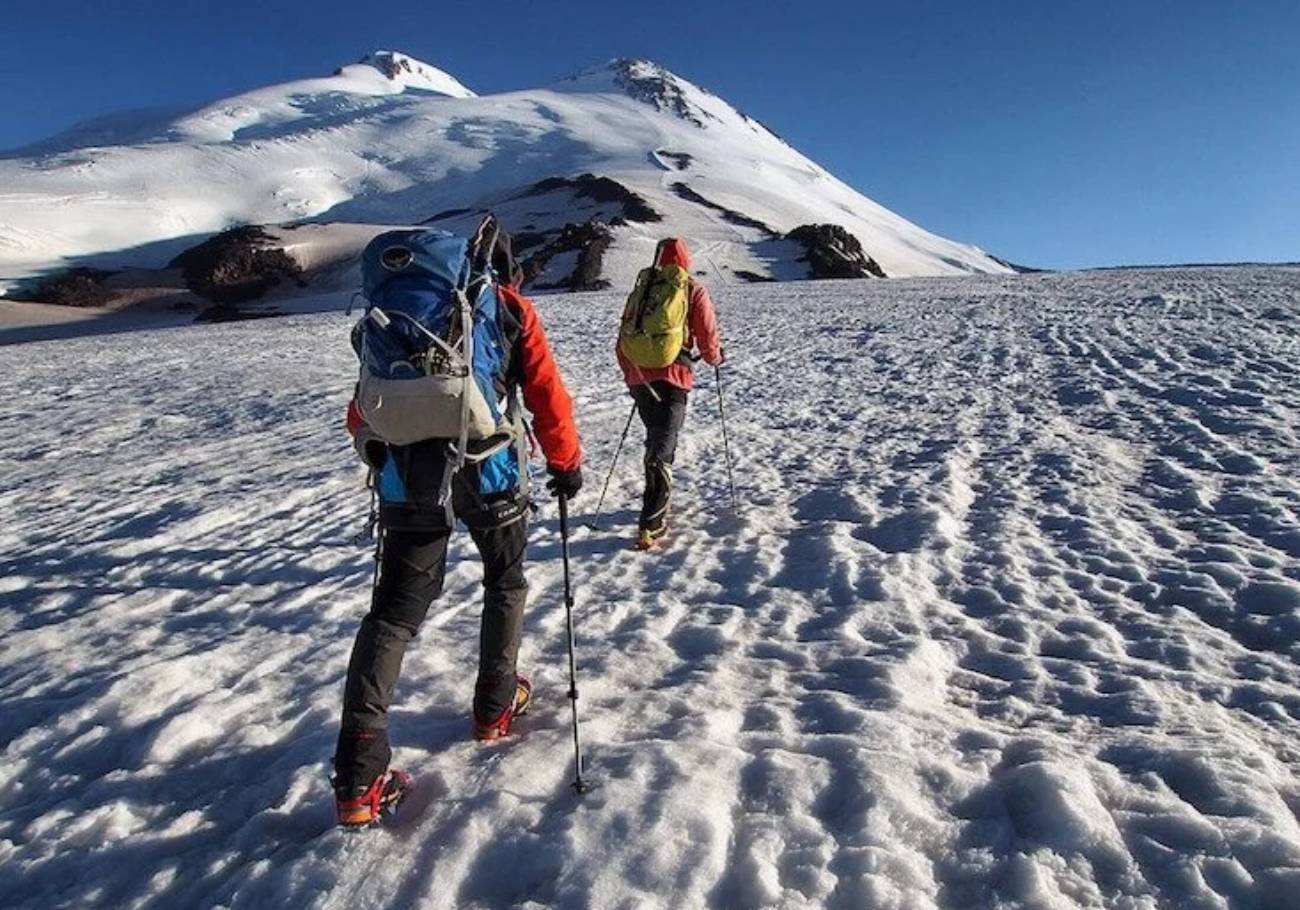
Above 5,000 metres, the body is under serious strain. Air is thin. Oxygen drops to roughly half of what it is at sea level. The heart has to work much harder. For those with unseen heart problems, the climb can be deadly.
Altitude sickness is the other major risk. The mild form causes headaches and fatigue. The severe forms — fluid in the lungs or brain — can kill within hours. Symptoms are often mistaken for tiredness or dehydration. By the time a climber realises what is wrong, the window to act has closed.
The best defence is time. Spending days at mid-altitude before going higher lets the body adjust. Many tour packages skip this to cut costs. That choice raises the danger.
A medical check before any high-altitude climb is not a nice-to-have. It is essential. Climbers over 40 should complete a heart check — including an ECG — before any peak above 4,000 metres. A heart test takes two hours. A heart attack at 5,500 metres has no solution.
Before booking any high-altitude expedition, ask four questions. Does the operator require a medical check? What is the acclimatisation schedule? Is the trip registered with local authorities? What is the evacuation plan, and who pays for it?
A good operator answers all four without hesitation. One that cannot answer should worry you, whatever the price. Elbrus expeditions typically cost USD 2,000 to USD 5,000 per person. Emergency helicopter rescue from the upper slopes can cost many times more. Standard travel insurance often does not cover it.
The Malaysian Embassy in Moscow is still helping the climber’s family with arrangements. For consular help overseas, call Wisma Putra’s 24-hour centre at +603-8887-4000.


 C. Khor




Add comment