


 Yalinie Mathan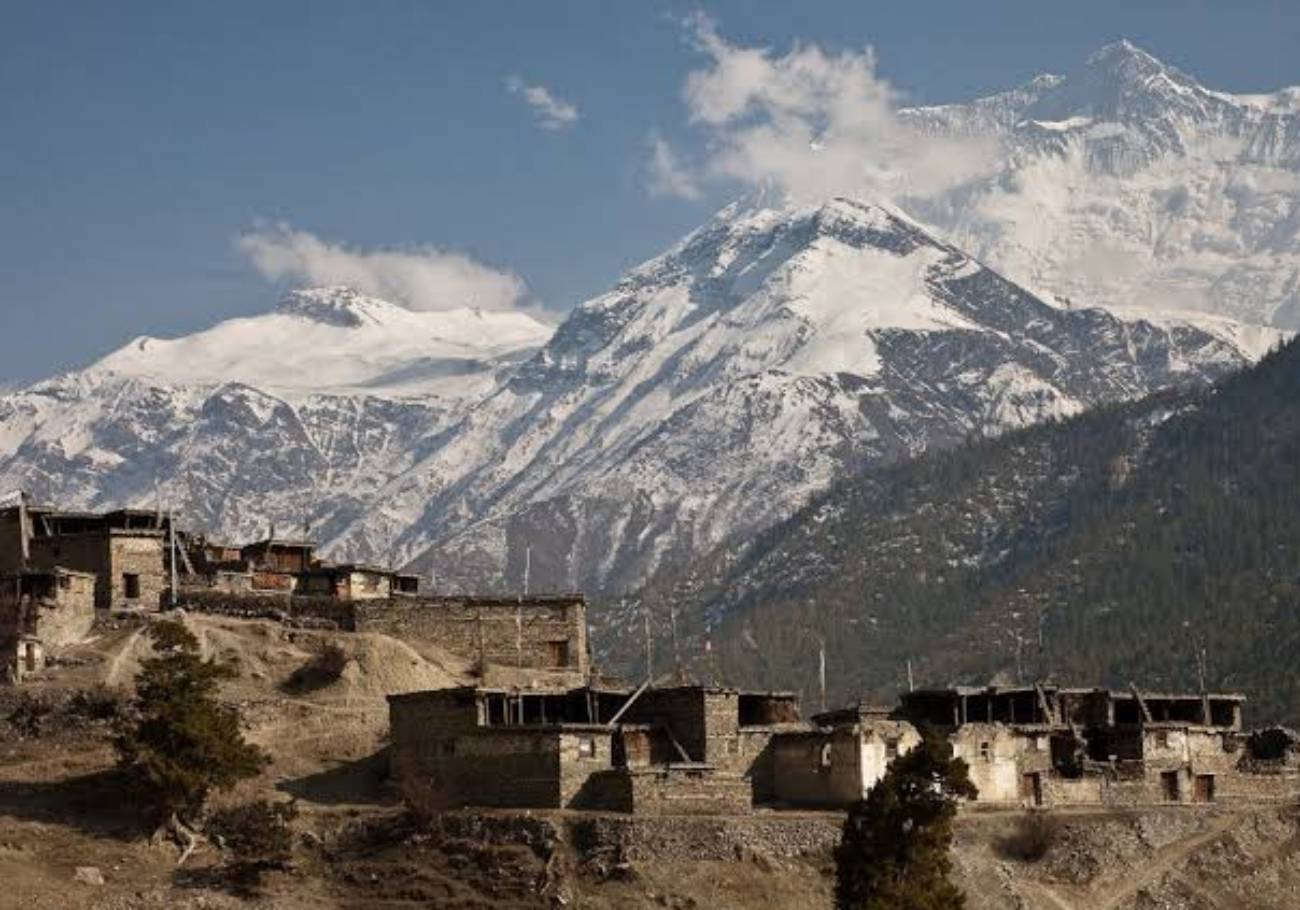
On September 2, more than 50 Malaysians gathered at a Bangsar temple to pray for missing loved ones. The prayers were for Malaysians still missing after flash floods struck the Nepal-Tibet border on August 26.
Malaysia’s Foreign Ministry confirmed 51 Malaysians are among the missing. The broader toll includes 288 Indians, 127 Nepali tourists, 80 Americans and dozens from 38 other countries. By September 1, at least 1,010 people had died. Another 3,916 remain missing. Just 4% of the 900 bodies recovered have been identified.
Seventy-seven Malaysians have since been located and are being repatriated through Kathmandu. The search for the remaining 51 continues. For families in Malaysia, the waiting is the hardest part.
What happened in Nepal on August 26
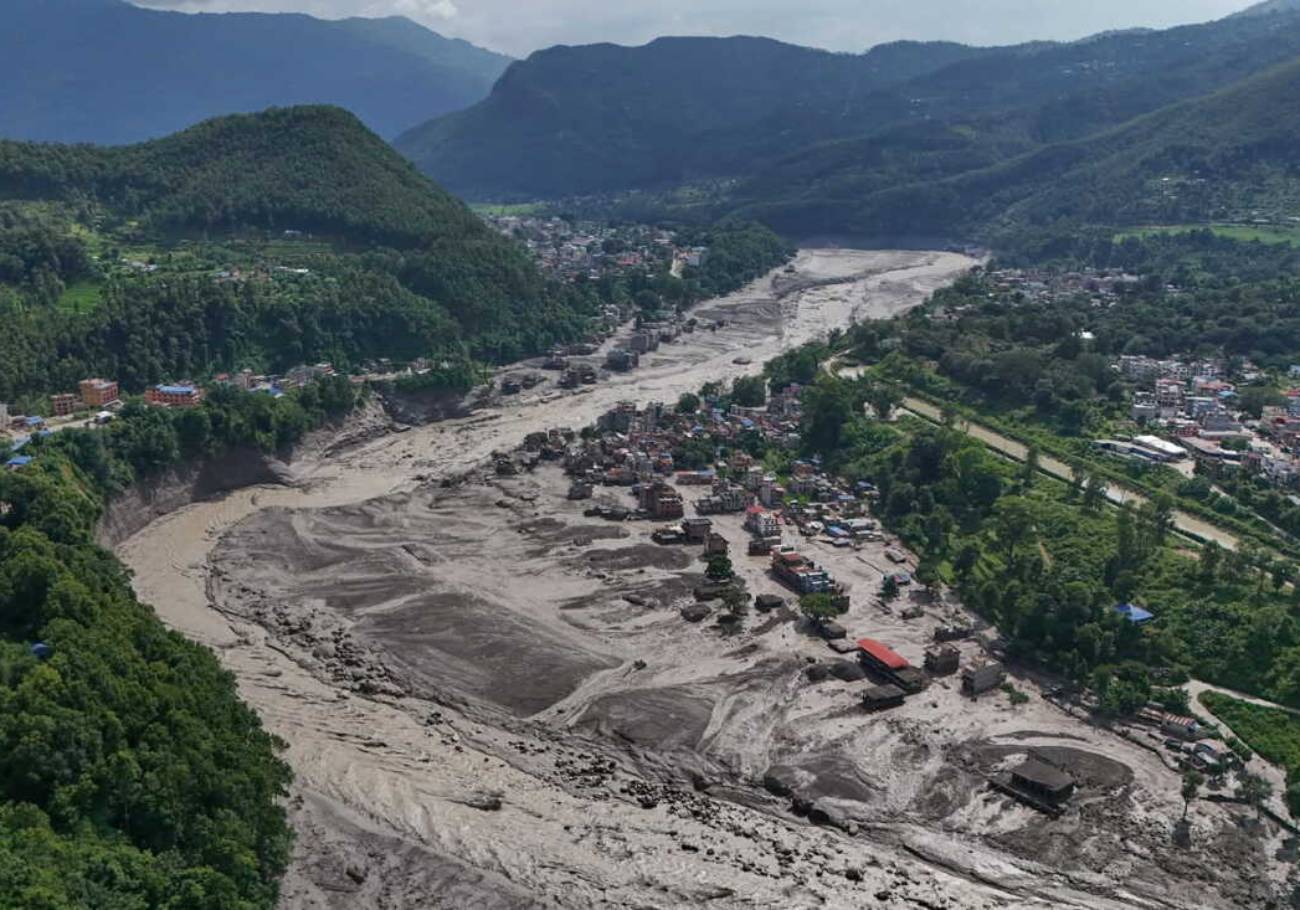
The disaster began in the early morning of August 26. A glacial collapse triggered flash floods along a 72-kilometre stretch of the Trishuli River on the Nepal-Tibet border. The floods destroyed the Gyirong Port customs checkpoint. It is the key crossing between Nepal and China for pilgrims heading to Mount Kailash in Tibet.
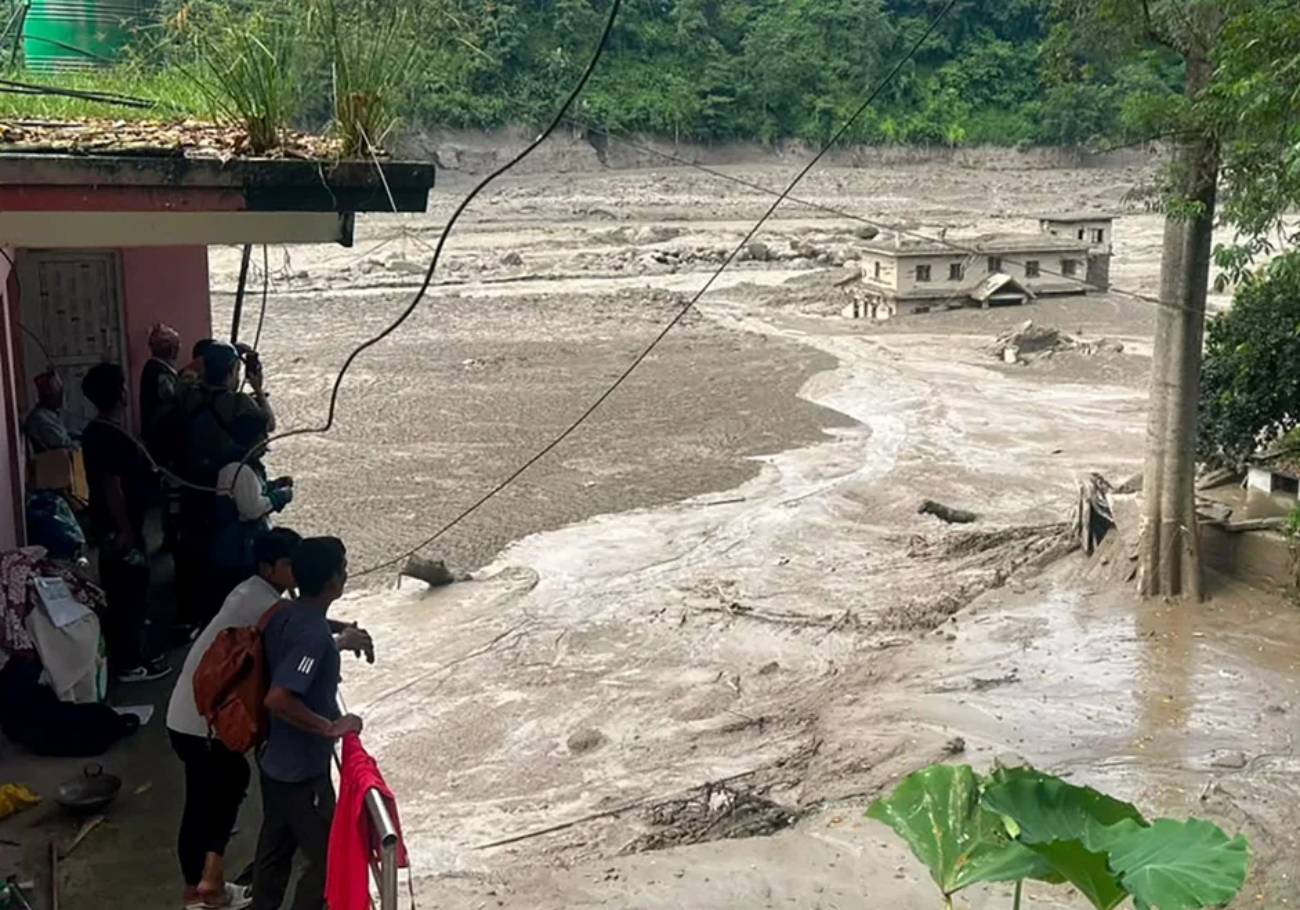
The Lhende Khola river had flooded twice in 14 months. Melting glaciers have turned this region — one of the world’s most visited pilgrimage corridors — into one of its most unpredictable. A wall of mud and rock collapsed into the river. Vehicles, buildings and people were swept away.
“There is devastation everywhere we look,” a health worker in Rasuwa told Reuters. “The settlements next to the river have been completely swept away. Five of my own relatives are missing.”
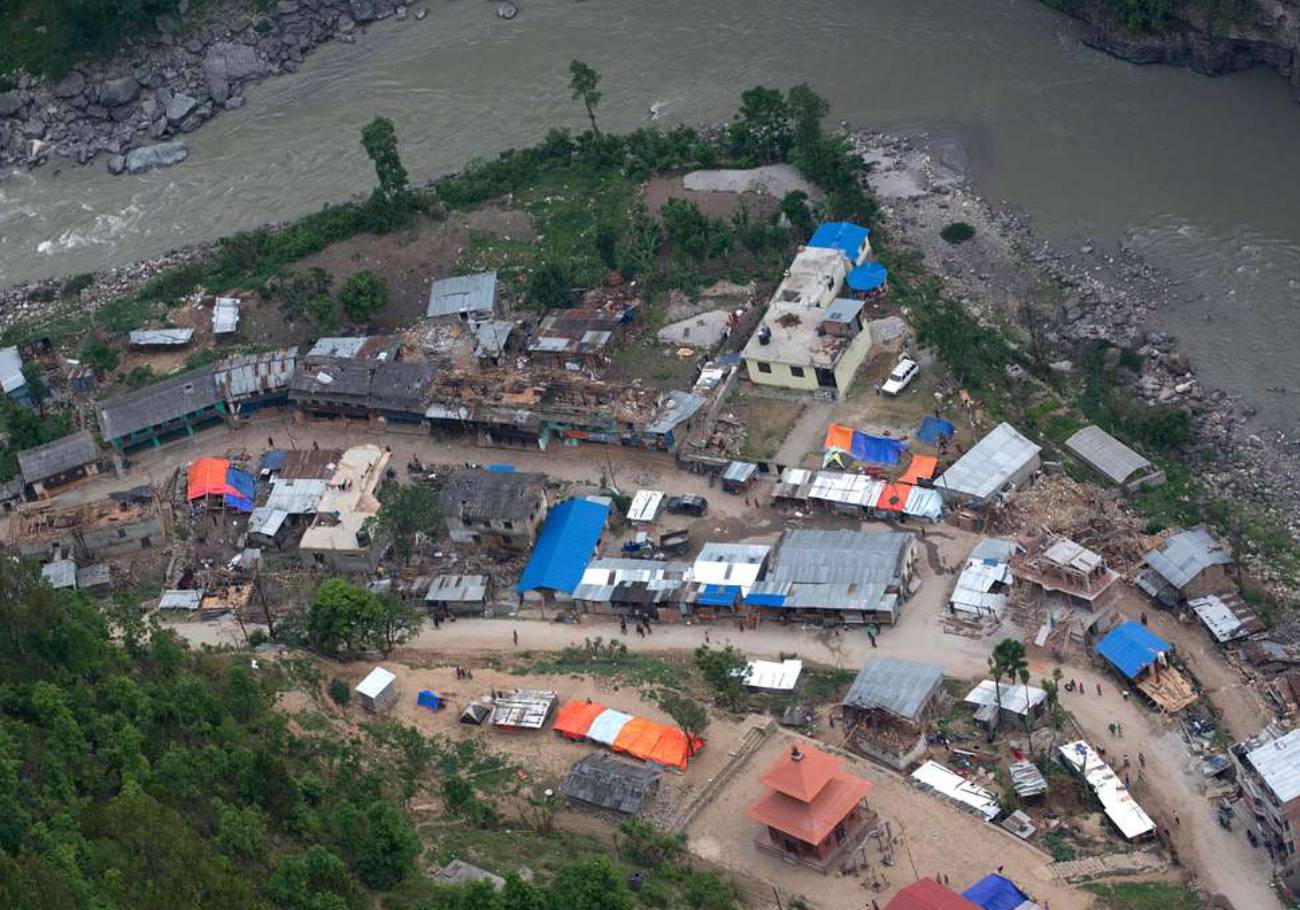
Nepal and China declared emergencies. Rescue teams mobilised. But the terrain — steep mountain valleys, destroyed bridges, washed-out roads — made reaching affected areas extraordinarily difficult. Infrastructure disruptions hampered contact with those in the region. Many Malaysians remain classified as uncontactable rather than confirmed missing.
Why so many Malaysians were there
Nepal is not a random destination for Malaysians. It is a deeply deliberate one — and thousands travel there every year, often for reasons that go beyond tourism.
The Mount Kailash pilgrimage via Gyirong is one of the most significant spiritual journeys in Hinduism and Buddhism. For Malaysian Hindus and Buddhists, the trek to Kailash is a once-in-a-lifetime religious duty. Many plan for years. Many go in organised tour groups. Many are elderly.
Beyond pilgrimage, Nepal is one of the world’s premier trekking destinations. Everest Base Camp, the Annapurna Circuit, the Langtang Valley. All on the bucket lists of Malaysians who consider themselves serious hikers. After the Elbrus death in July and Kinabalu fatalities in recent years, the pattern is harder to ignore. Malaysians love mountains. Mountains do not always return that love.
The danger Malaysians tend to underestimate
Here is the honest truth about Nepal that the tourism brochures do not lead with. The Himalayas are the youngest and most geologically active mountain range on earth. The terrain is not stable. Glacial lakes can burst without warning. Flash floods move faster than any warning system can respond.
This corridor has now flooded twice in 14 months. It is a high-altitude frontier. Communications fail. Roads wash away. Rescue helicopters cannot always fly.
Many Malaysians arrive in Nepal with the mindset of someone visiting Cameron Highlands. The culture is gentle. The people are warm. The scenery is stunning. But the terrain is extreme. A clear morning can turn dangerous by noon. A calm river can become a wall of mud within hours. The gap between how Nepal looks and what it can do to you is enormous.
What to do if someone you know is in Nepal
The Malaysian Embassy in Kathmandu is the primary contact for families of missing Malaysians. Consular officers are updating families directly and asking relatives to provide contact details.
Wisma Putra’s 24-hour Operational Centre can be reached at +603-8887-4000. The Foreign Ministry urged families to rely only on official figures. These are being updated as contact is re-established with affected areas.
For Malaysians planning to visit Nepal, the Malaysian Embassy advises registering travel details before departure at travel.wisma.gov.my. It lets consular officers find and help you if something goes wrong.
Nepal is worth visiting. Mount Kailash is worth the journey. Everest Base Camp is worth the effort. The mountain does not care about your itinerary. Go with proper information, proper insurance, a registered guide and a registered travel plan. The families praying in Bangsar tonight deserve to know their loved ones went prepared.

 Maran Perianen
 CJMY
CJMY



Add comment