


 Sashidaran Gunathevan
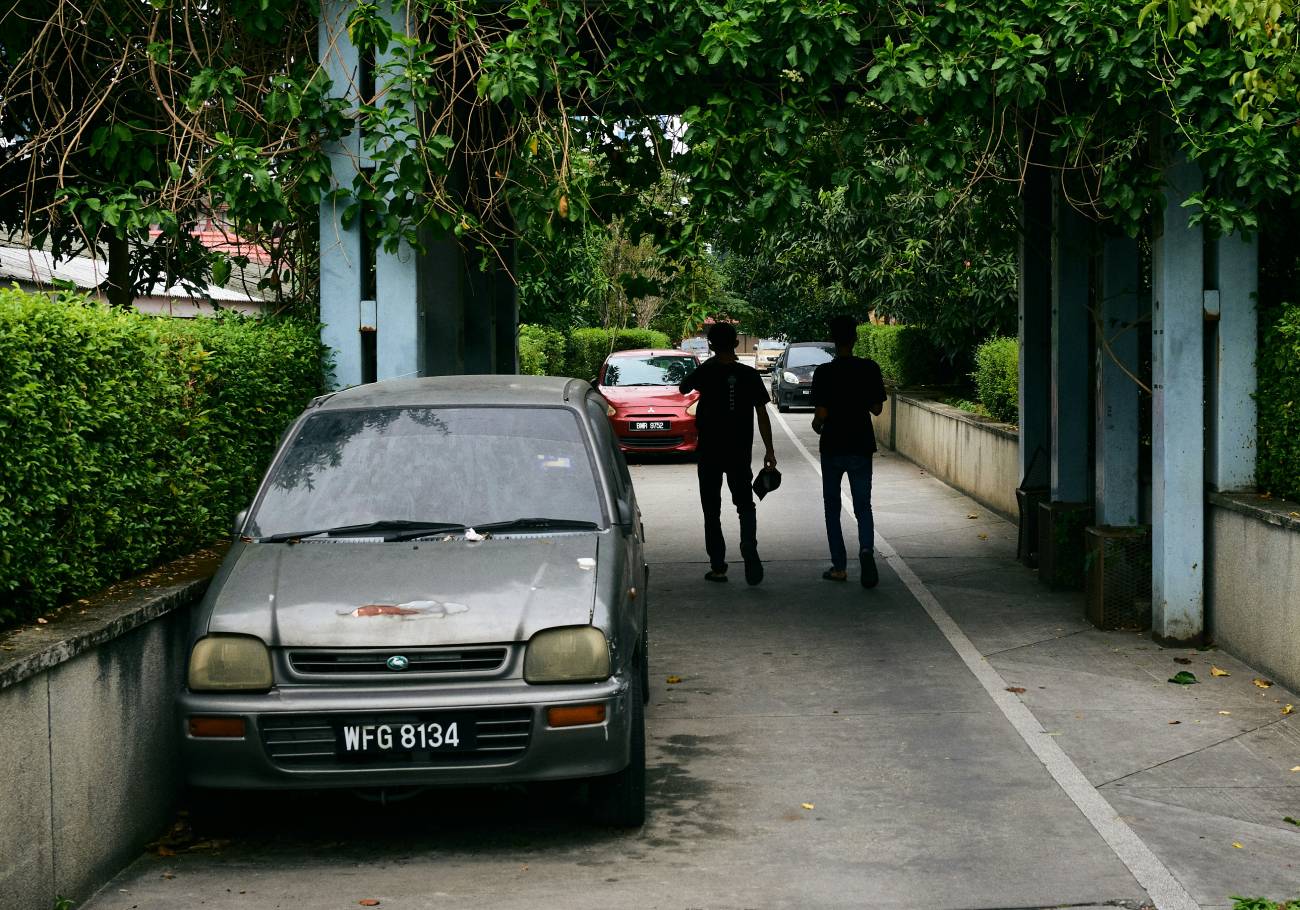
Abandoned vehicles on public roads could soon be removed and scrapped faster. The Cabinet approved revised guidelines on 30 October to speed up the process.
Local councils would no longer need the full court process in many cases.
The guidelines are not yet in force. They go to state governments for agreement on 26 November.
What the new guidelines change
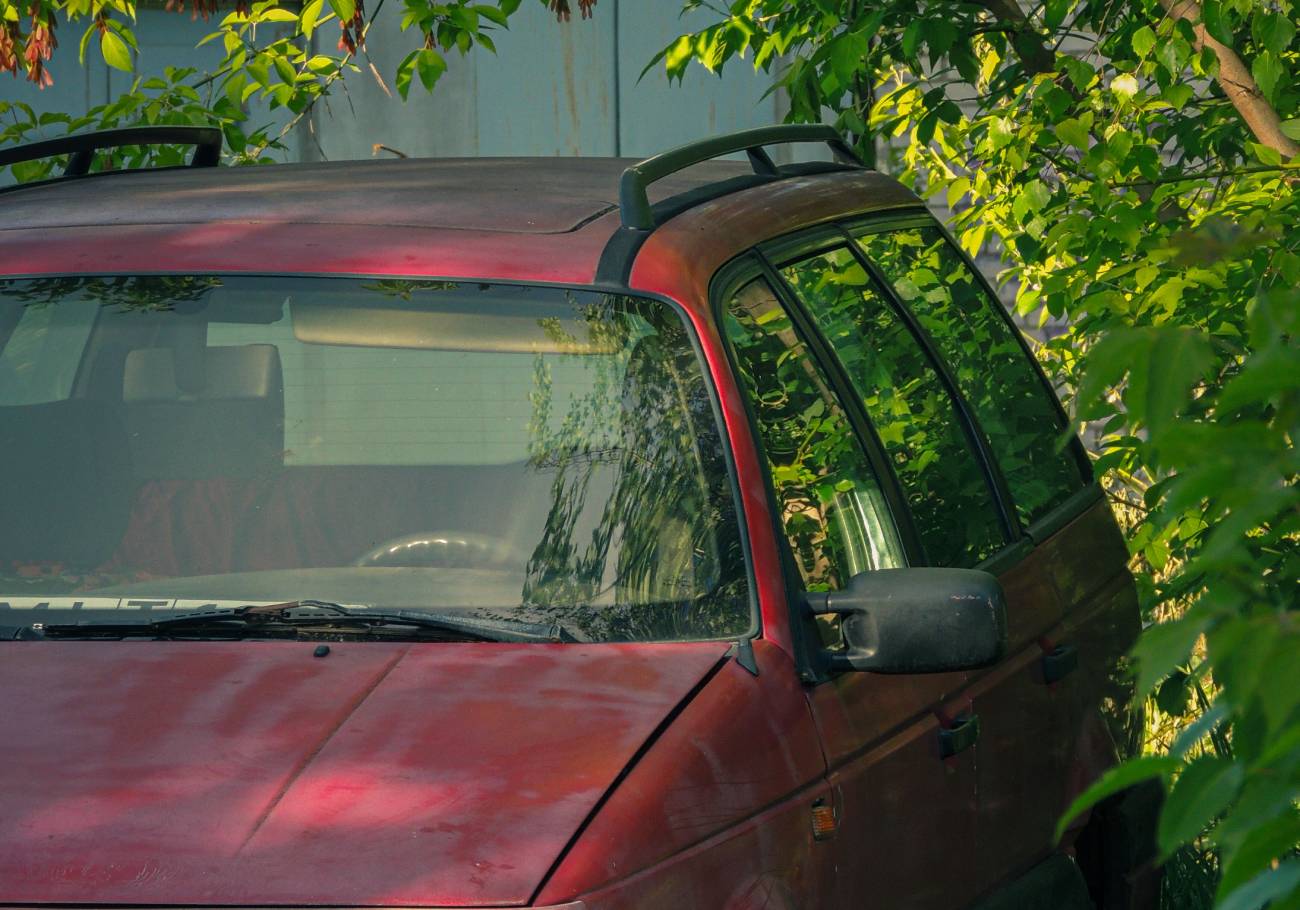
Housing and Local Government Minister Nga Kor Ming explained the change in a statement. In his words, the move is more than guidelines. It is a full action framework.
The guidelines rely on Section 65 of the Road Transport Act 1987. Under it, broken-down or abandoned vehicles can be removed. If nobody claims them after notice, they can be disposed of without a full court process.
Until now, councils found the process too long. They had to trace owners. In addition, they had to prepare court papers. In some cases, inspection certificates expired before disposal.
So the guidelines make several changes. The Road Transport Department (JPJ) may accredit qualified council officers as vehicle inspectors. They could then check chassis numbers on site. So, fewer vehicles need to go to Puspakom. Inspection certificates would also stay valid while cases are processed.
Still, the reports do not state the notice period. Meanwhile, owners are encouraged to dispose of their own vehicles through the JPJ e-Dereg system.
Why councils want faster action
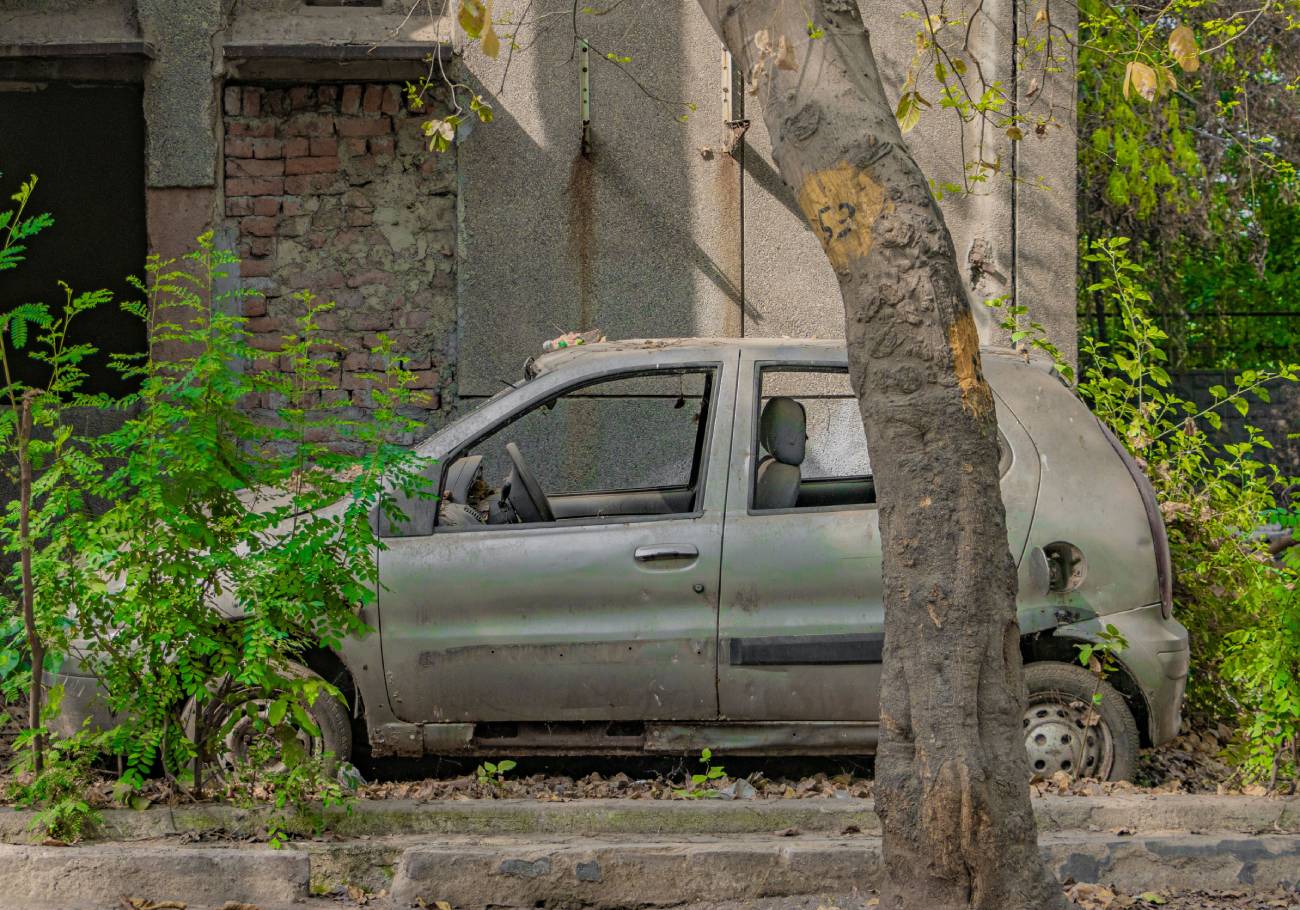
For scale, look at the numbers. Kuala Lumpur City Hall (DBKL) received 8,286 complaints from January 2022 to August 2025. It ran 4,094 towing operations. In addition, it disposed of, or was disposing of, 3,836 vehicles. DBKL aims to dispose of 1,200 more in 2026.
The Kajang Municipal Council recorded 12,290 abandoned vehicles since 2021 and towed 2,605. In Ampang Jaya, 3,826 were recorded. There, the council towed 1,139 and disposed of 281 in 2025 alone.
Outside the Klang Valley, Alor Setar City Council issued 114 notices in 2025. That compares with eight in 2024.
In practice, residents see the problem daily. One residents’ association adviser said storage yards are overflowing, according to reports. Separately, we covered concerns about a vehicle storage facility in Bandar Utama.
Moreover, groups say derelict cars take up parking spaces. They cite dengue and fire risks. They want action against owners, too. Therefore, enforcement will matter as much as the rules.
What stays the same
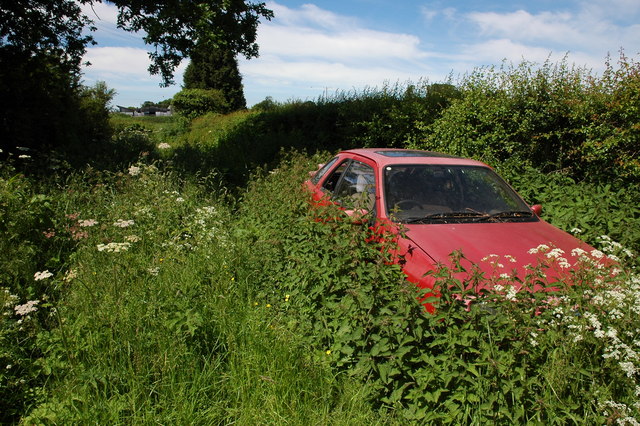
However, the guidelines add no new offences, fines or charges. Existing law already allows a fine. It is up to RM500 for a first offence and RM1,000 for later ones. It applies to leaving an obstruction in a public place, including a derelict vehicle.
Likewise, private strata areas are not covered by blanket powers. Nga said councils cannot act in them unless the management body asks or cooperates. So that limit stays.
Meanwhile, Peninsular councils are expected to implement the guidelines before the end of 2026. Sabah and Sarawak will work with their own authorities. Overall, the date is still open until the national council meets.
Overall, the Cabinet decision followed complaints about delays and poor coordination among agencies. For now, owners who want to avoid towing can use e-Dereg to scrap vehicles themselves.




 Yalinie Mathan

 Admin






Add comment