


 Maran Perianen

The Consumers’ Association of Penang (CAP) has warned that invasive aquatic species are spreading in Malaysia. They are found in rivers, lakes, dams and coastal waters. The group says the release of alien fish, plants, snails and mussels is a growing concern, according to its statement. It wants tighter controls and more care from the public.
CAP says human activity has contributed greatly to the spread. Moreover, it names the water hyacinth, the Chinese pond mussel and golden apple snails as examples. It also points to alien fish that escape from farms.
Overall, here is what CAP says is spreading, how alien fish reach the water and what it wants done.
Plants, mussels and snails on the move
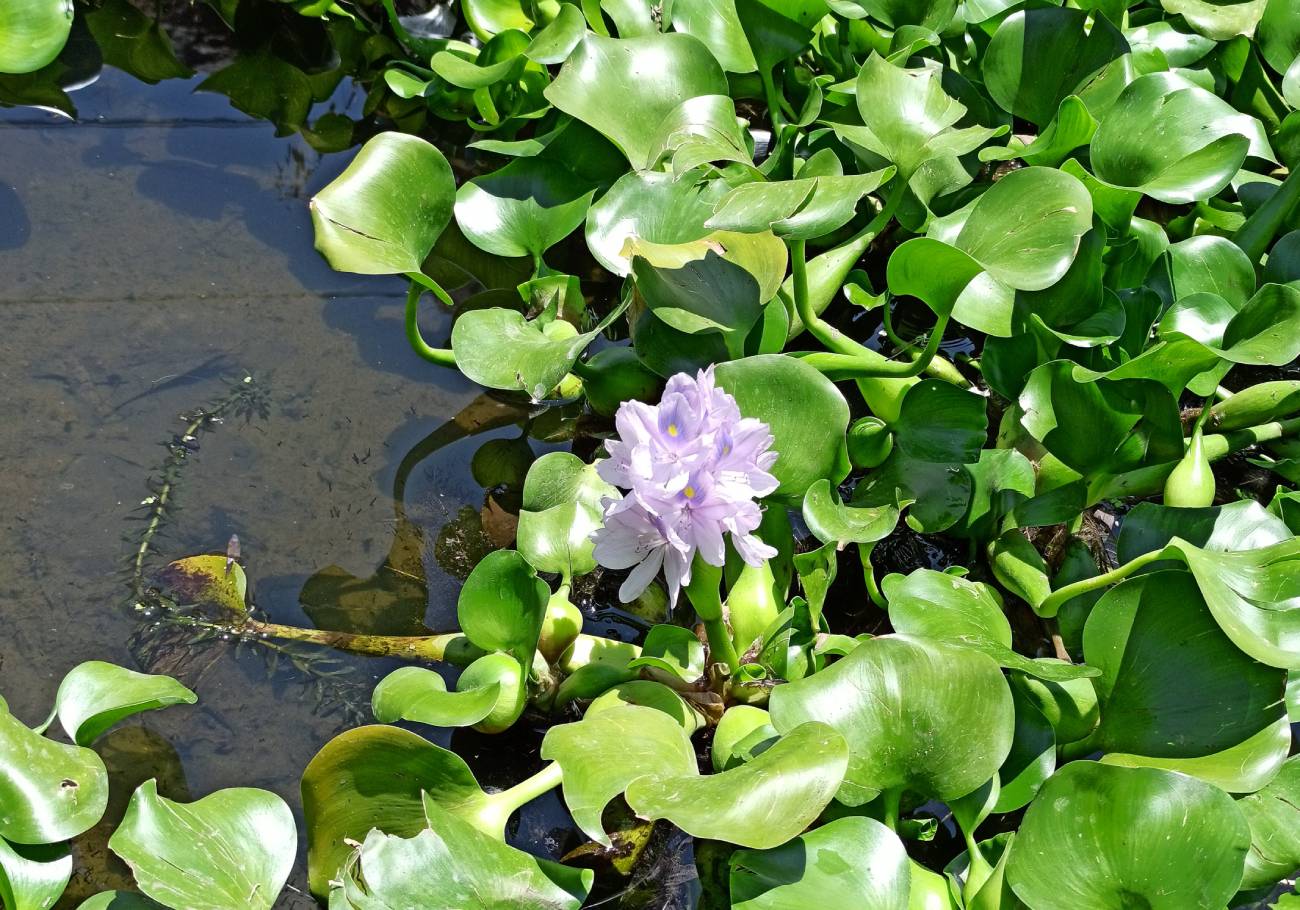
The water hyacinth is also known as keladi bunting or bunga kiambang. It is a popular ornamental plant in aquariums and ponds. It has lavender-purple flowers and glossy green leaves.
The plant is native to the Amazon Basin in South America. However, once released, it spreads fast and clogs waterways. As a result, CAP says, it leads to various environmental problems.
The Chinese pond mussel, Sinanodonta woodiana, is not native to Malaysia. It grows and breeds fast, so it outcompetes native mussels. A national red-list of freshwater mussels found it in at least ten river basins in Peninsular Malaysia.
It also found it in six river basins in Malaysian Borneo. CAP says people most likely spread it on purpose, for food and ornament. In addition, the trade in freshwater fish can carry its larvae.
Invasive snails include the giant African land snail and two golden apple snail species. Those are Pomacea canaliculata and Pomacea maculata. CAP says they came in through the food and aquarium trade. However, once released, they spread into paddy fields and become serious agricultural and ecological pests.
How alien fish reach Malaysian waters
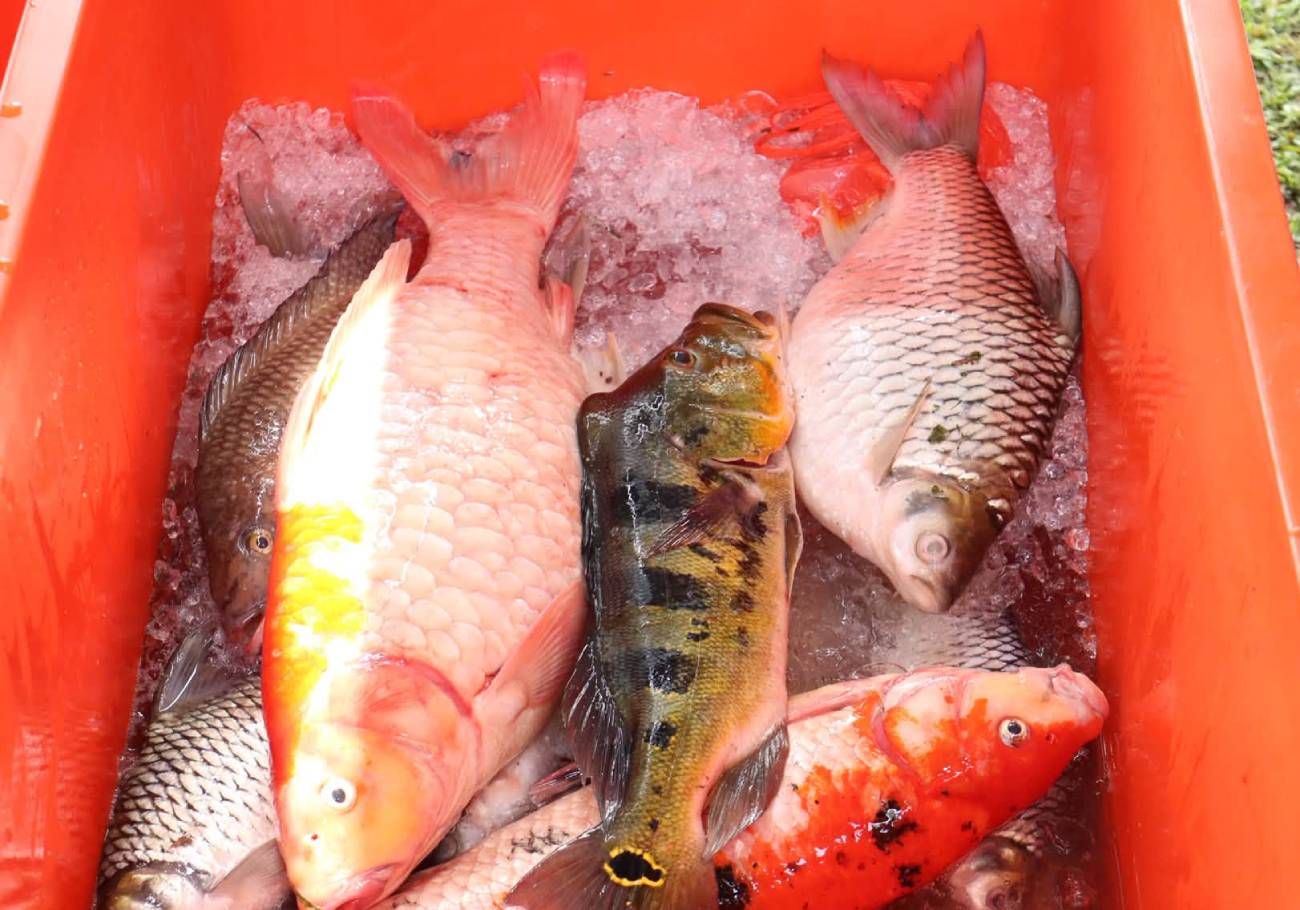
Aquaculture is one route for alien fish. CAP says farmed fish can escape from ponds, cages and other facilities. The causes it lists are flooding, storms, poor containment and accidental releases.
Once in the wild, some species breed quickly. Therefore, they compete with native species for food and habitat. CAP also lists the spread of diseases and parasites.
Read more: Alien fish make up 95% of Ampang Hilir lake, ministry says
Read more: Tiger footprints found at Felda Lepang Nenering in Gerik
Read more: Johor dams still flagged low while the Klang Valley floods
The group also warns of interbreeding with native fish. This is known as genetic introgression. Moreover, it says alien species can change and disrupt community structure and diversity.
Malaysia has already seen many non-native fish species enter local water bodies. CAP says this shows the need to stay vigilant. However, it adds that the impact should not be underestimated. Invasive alien species can harm local fisheries. As a result, they can threaten the livelihoods of communities that depend on the water.
What CAP wants done

Therefore, CAP says prevention must remain the preferred approach. It urges the Department of Fisheries and the Malaysian Quarantine and Inspection Services Department (MAQIS) to tighten controls. These should cover the import, breeding, sale, possession and release of foreign aquatic species and plants.
At the same time, aquaculture operators must keep their facilities secure. Likewise, ornamental-fish traders must educate their customers. Furthermore, aquarium owners must think about the effects of releasing unwanted exotic fish and plants. That includes release into rivers, drains, lakes, reservoirs and the sea.
Likewise, owners who can no longer care for an exotic species should contact the relevant authorities. They can then agree the best course. Meanwhile, CAP notes that Malaysia’s rivers and coastal waters are rich in plants and animals. They provide food and livelihoods for many people.
In short, CAP calls on the authorities, industry and the public to stop invasive aquatic species taking hold. It warns that failure to act now could cause irreversible ecological damage, biodiversity loss and threats to livelihoods.





 Yalinie Mathan

 Sashidaran Gunathevan






Add comment