

 Yalinie Mathan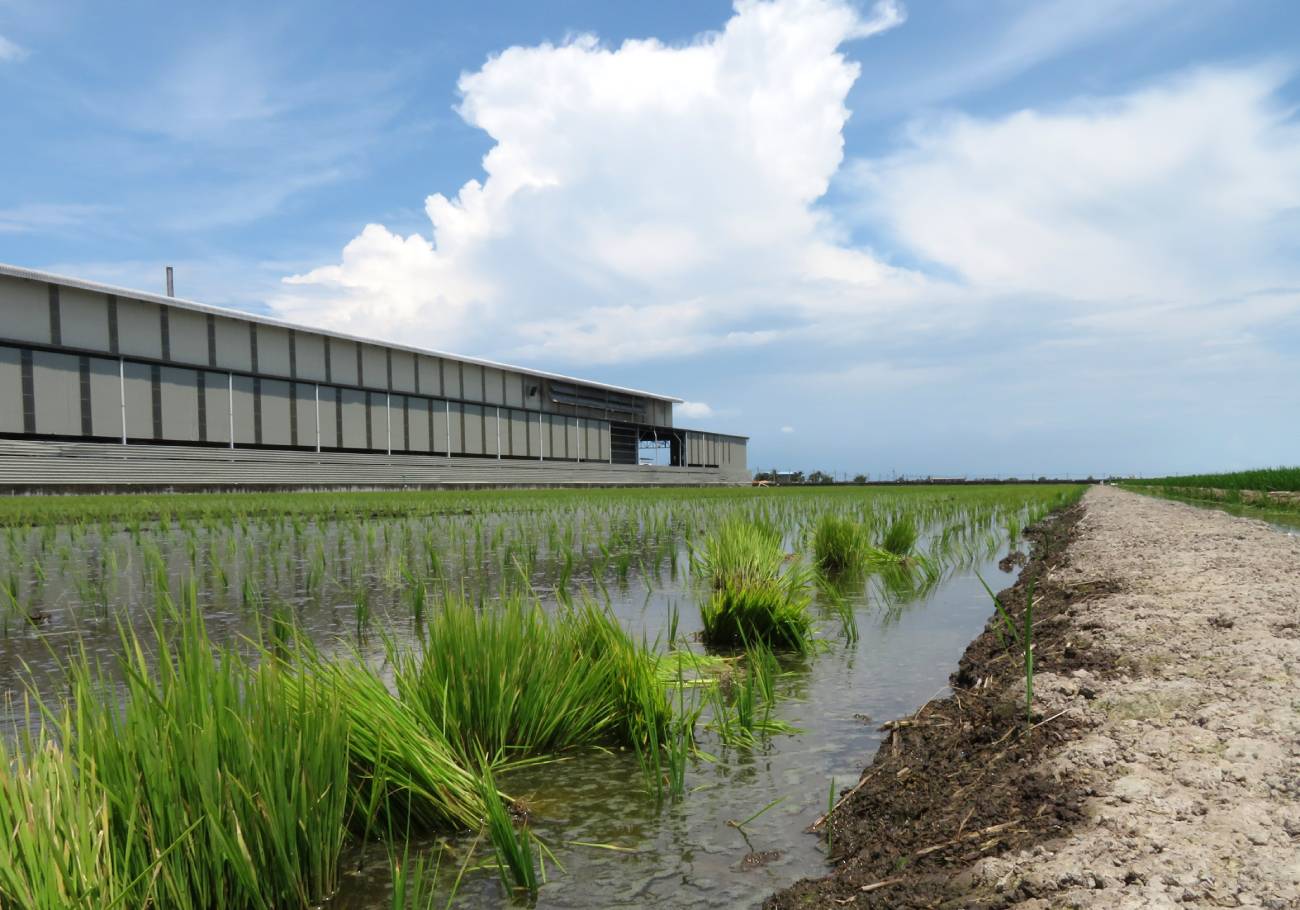
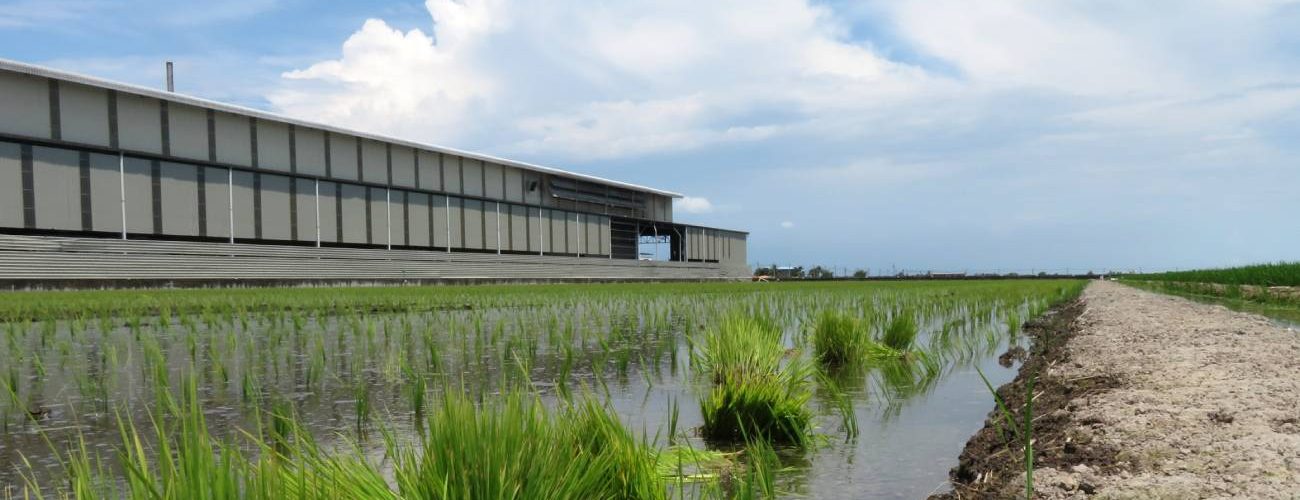
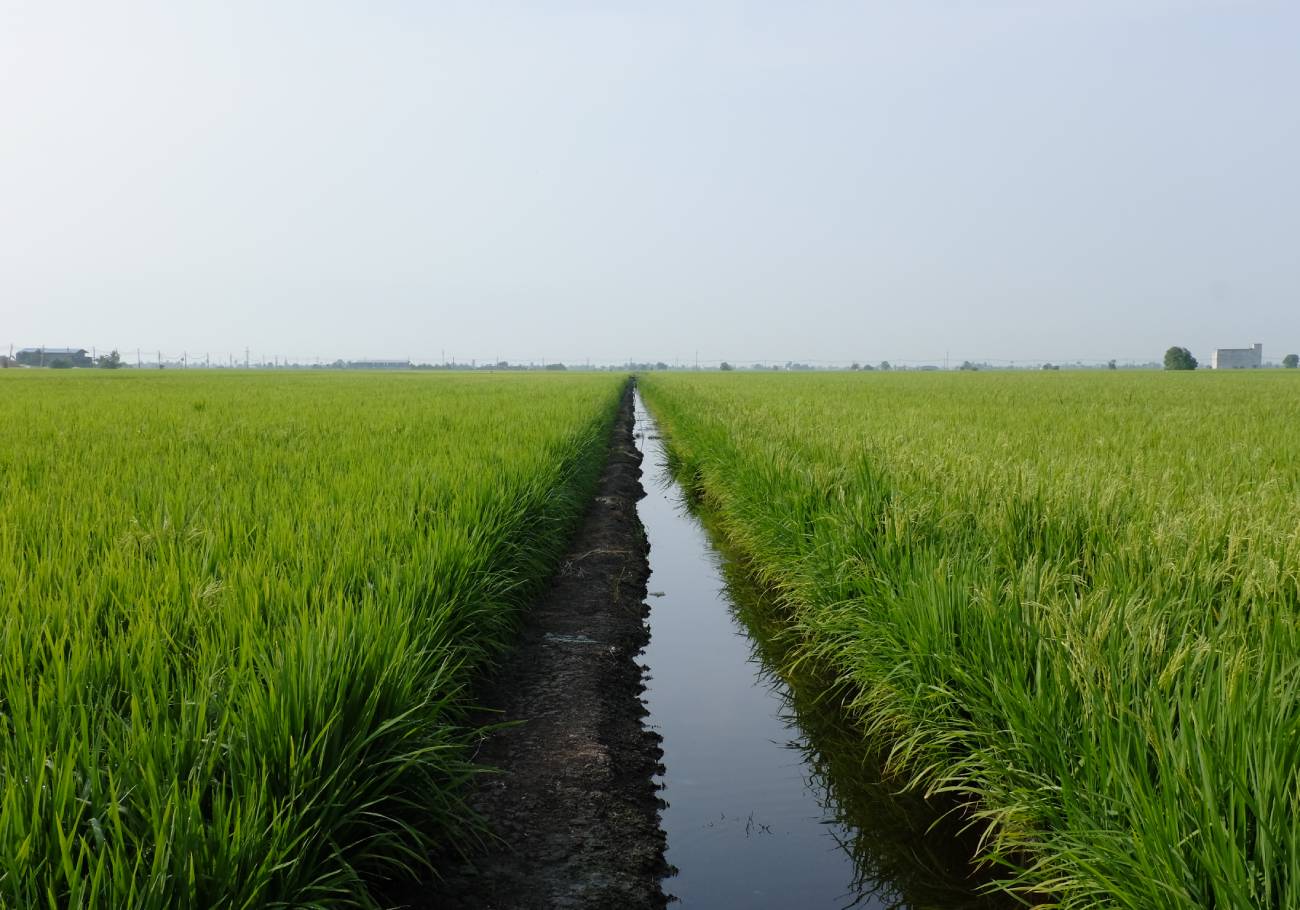
Most people who visit Sekinchan take the same photo. The one with the green paddy fields stretching to the horizon. Shot from the road. Mountains somewhere in the back. They post it, get the likes, and drive home. The town deserves better than that.
Sekinchan is about 102 kilometres northwest of Kuala Lumpur, in the Sabak Bernam district of northern Selangor. People have called it the Land of Plenty. Rich in paddy. Rich in fish. It has been feeding Selangor for over a century. Most visitors spend 45 minutes taking photos and leave without understanding what they were looking at.
This is the story of Sekinchan. The rice, the fishing community, the war history that shaped its layout — and what you find when you stop long enough to look.
Sekinchan: A fishing village that became a rice bowl
In the 1920s, Sekinchan was a small fishing village. The main fishing area was Bagan — and Bagan is the birthplace of Sekinchan. The early inhabitants were almost all Teochew fishermen who depended on fishing for their livelihood.
The name itself tells the story of the transition. Sekinchan derives from the Chinese Shi Geng Zhuang — literally “village suitable for plantation.” A fitting name for one of Malaysia’s most productive rice-growing towns.
The Teochew villagers called it “Ang Mo Gang” because many British colonial officers stayed there. The Hokkien people called it “Sixteenth Gi” because Sekinchan sits 16 miles from Kuala Selangor. The old generation still uses both names.
Under the British colonial Tanjong Karang irrigation scheme, Sekinchan grew into the Rice Bowl of Selangor. Over 4,300 acres of farmland. Some of the highest rice yields per acre in the country. The town is a cornerstone of Malaysia’s agricultural heritage.
How the Emergency shaped the town’s layout
Not many visitors know the town’s four-village structure has nothing to do with agriculture. It has everything to do with the Communist insurgency.
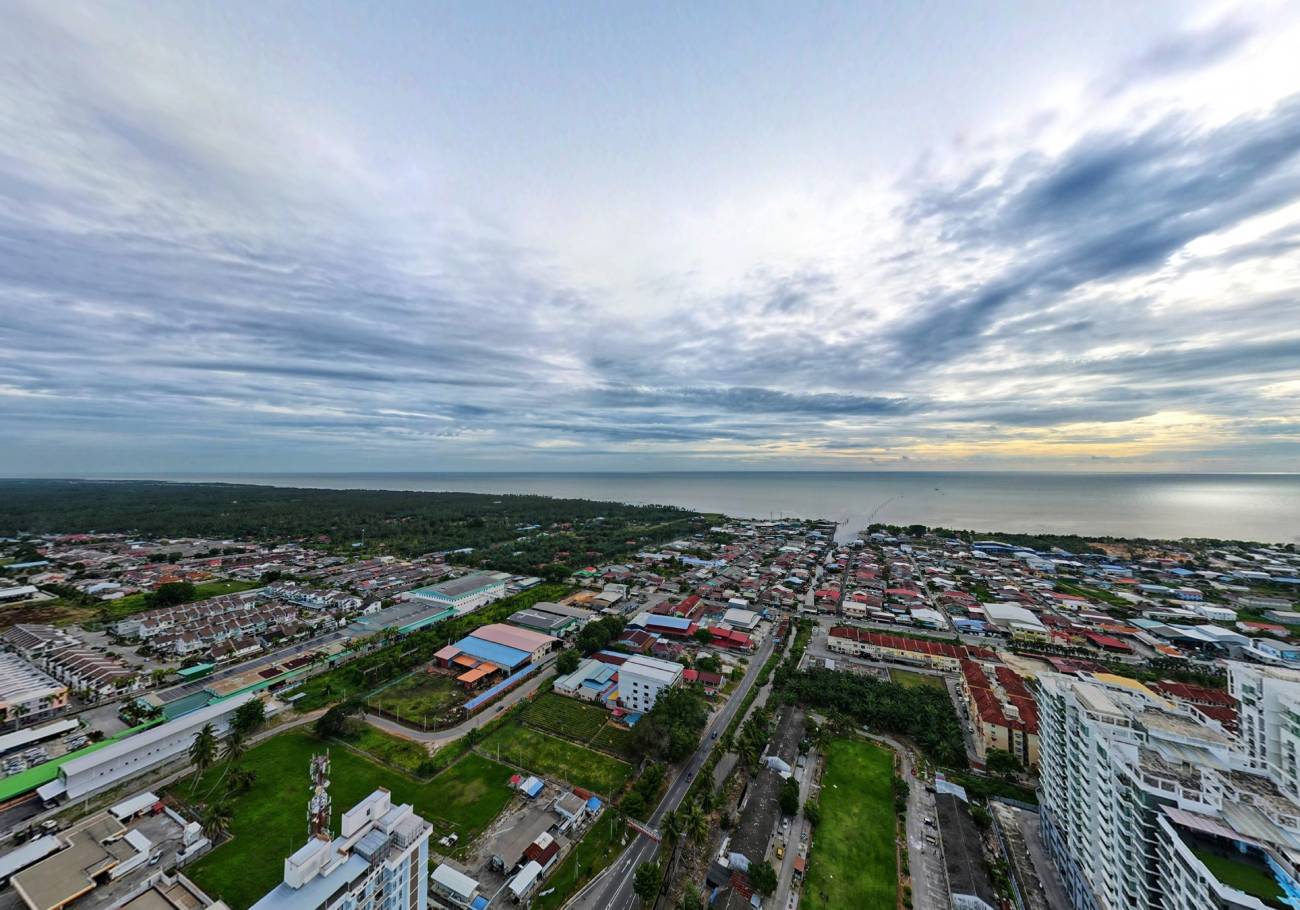
After World War Two, the British divided Sekinchan into four parts — Village A, Village B, Village C and Bagan Village. The division was a deliberate security measure to segregate villagers from Communist Party insurgents. Site A sits five miles from the town centre, surrounded by paddy fields and orchards. It was originally dense swampy forest. When the Bagan Village population boomed, younger villagers shifted to that isolated land.
Site A has 200 households, mostly Hokkien. 90% of the residents are farmers. The four villages grew separately. Fishing in Bagan. Farming in Sites A and C. Commerce in Site B, which became the largest. That wartime separation produced four distinct communities. They have since merged into the Sekinchan visitors know today.
The total population is around 20,000 people — 60% Chinese, 30% Malay and 10% from other communities. The multicultural mix running through the paddies and the fishing jetties is the actual texture of daily life here.
The paddy fields — what you are actually looking at
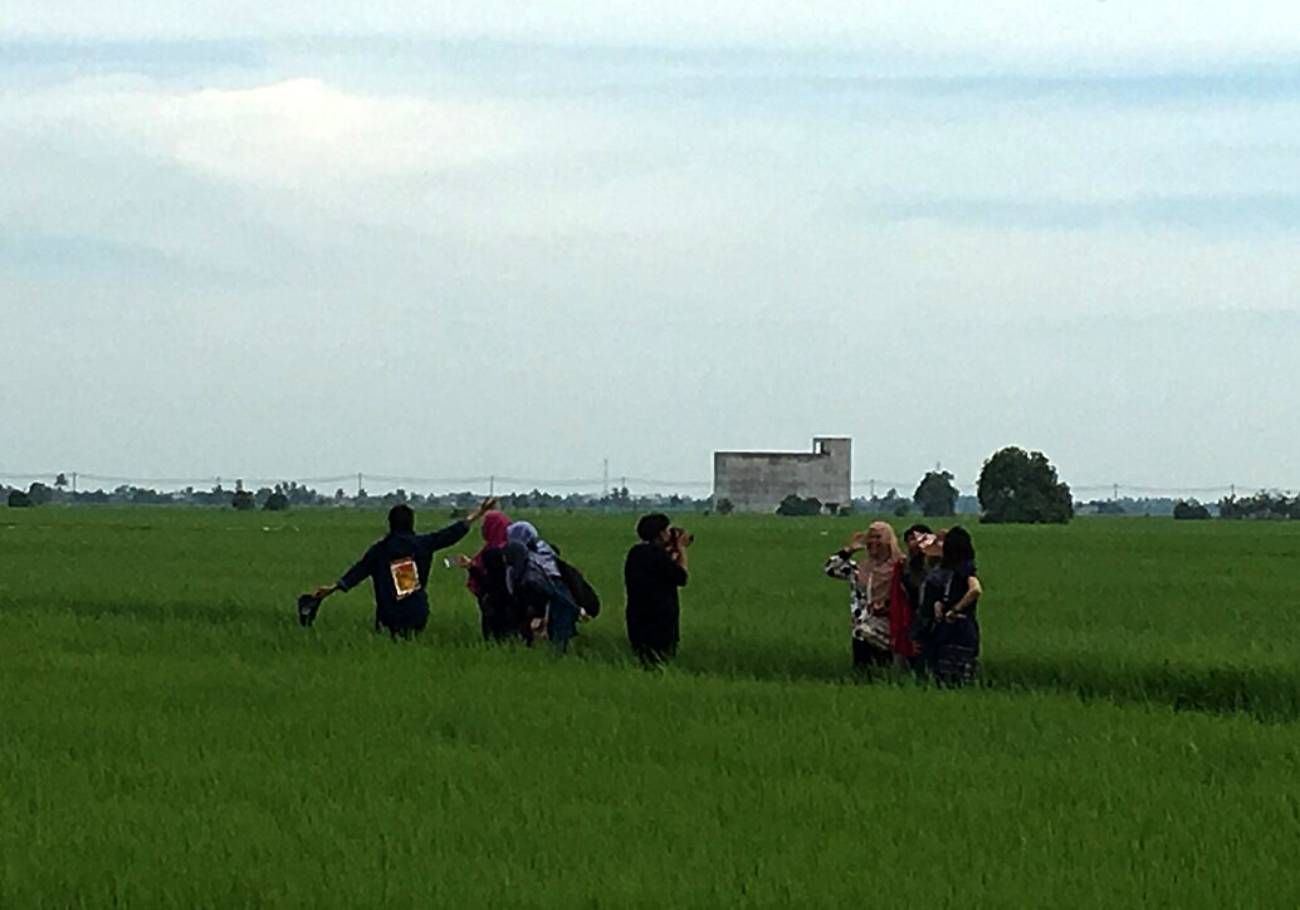
Sekinchan produces rice twice a year. Harvest runs from March to April and September to October. The fields turn from deep green to gold as the grain matures. That is when Sekinchan looks its best. A visit outside harvest season still yields beautiful scenery. But the full experience is watching the paddy ripen.
Over 1,600 hectares are dedicated to rice cultivation using advanced mechanised farming techniques. The Paddy Processing Factory and Museum is the best place to understand the full agricultural cycle.
From seed to bag of rice. The museum shows the machinery, history and technology behind Sekinchan’s high yields. It is a working factory, not a heritage display.
The fields are accessible by road. Most of the paddy areas can be reached by driving slowly along the farm roads that cut through the landscape. Early morning is the best time. The light is different and the farmers are already in the fields. That is the Sekinchan most visitors miss by arriving at 10am.
Bagan Sekinchan and the fishing village
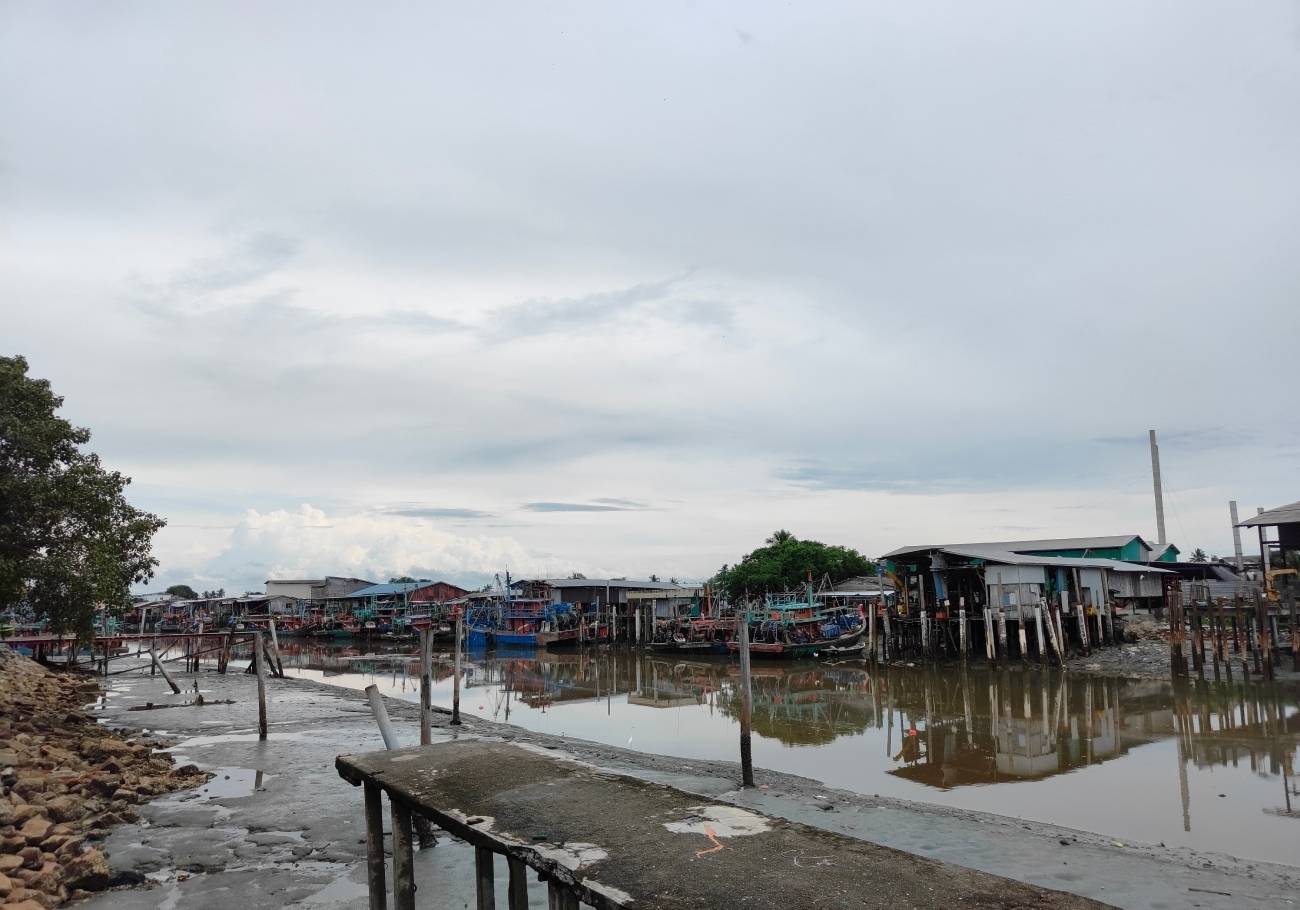
The paddy fields are the famous part. The fishing village is the hidden part — and for many visitors, the better part.
Bagan Sekinchan is the original heart of the town. The fishing jetty here supplies seafood to markets across Selangor and beyond. Seafood restaurants along the waterfront serve what came in that morning.
Restoran Makanan Laut Sri Sekinchan and nearby restaurants along the esplanade are the reliable names. The mud crab, steamed or cooked in butter, is the local recommendation.
Redang Beach, north of the town centre, is a quiet stretch of coastline that most day trippers never find. It is not a swimming beach — the water is murky from river outflow. But sit there with the Straits of Malacca in front of you and you understand why Teochew fishermen chose this coastline a hundred years ago.
Getting there and what to know
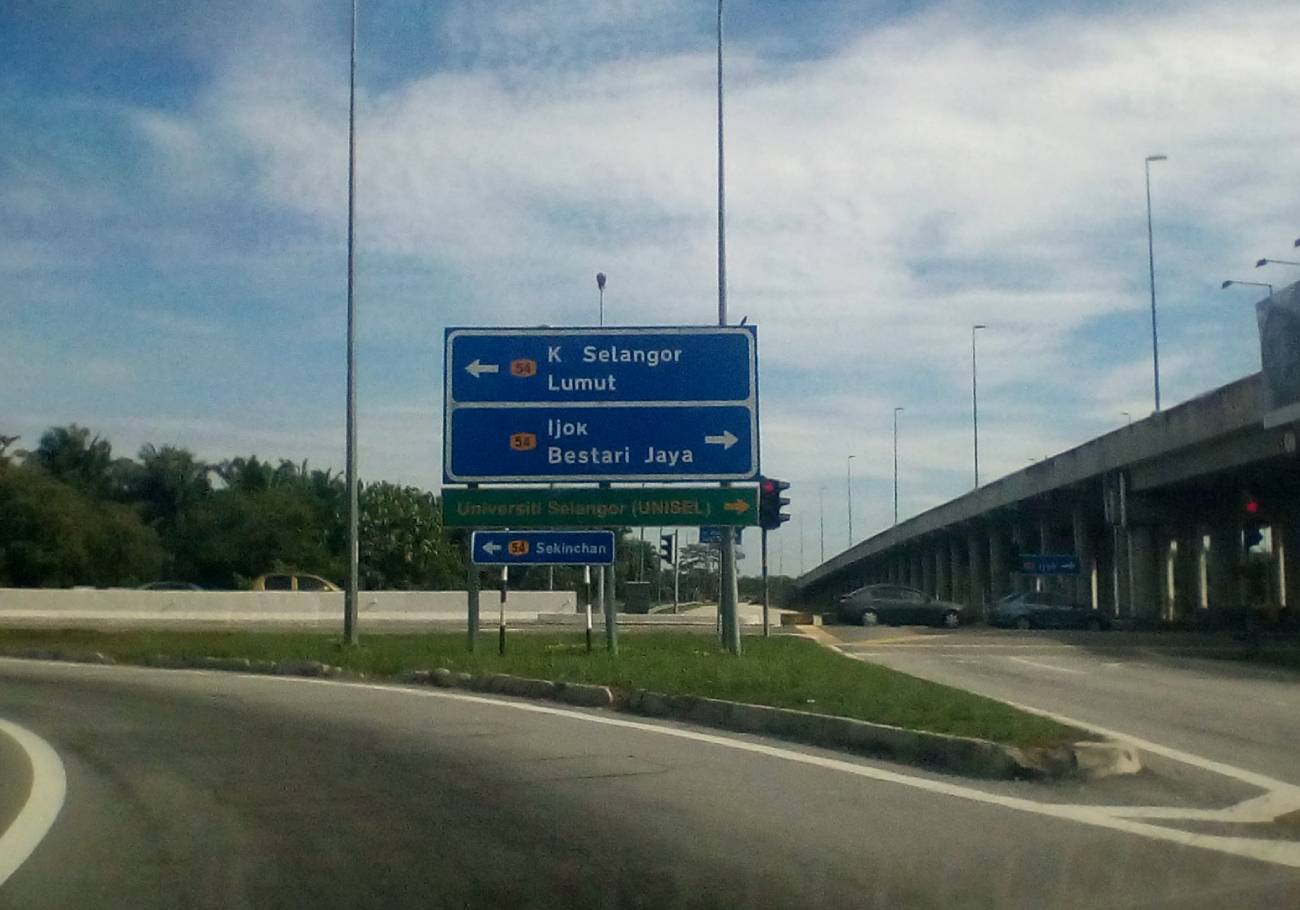
Sekinchan is approximately 102 kilometres northwest of Kuala Lumpur, about 28 kilometres from Kuala Selangor. Via the PLUS highway and Federal Route 5, the drive takes 90 minutes to two hours depending on traffic. There is no direct public transport from KL — a car is required.
The town is best visited on a weekday. Weekends, particularly during harvest season, bring significant crowds of day trippers. The fields get congested and parking fills up quickly. On a weekday morning, you have the fields largely to yourself.
Sekinchan works as a day trip from KL — but the town rewards an overnight stay. The light changes dramatically in the early morning and late afternoon. The fishing jetty is most active at dawn. The town itself, when the day trippers have gone, becomes something quieter and more honest. That is the version of Sekinchan worth staying for.

 Admin
Admin






Add comment