


 Maran Perianen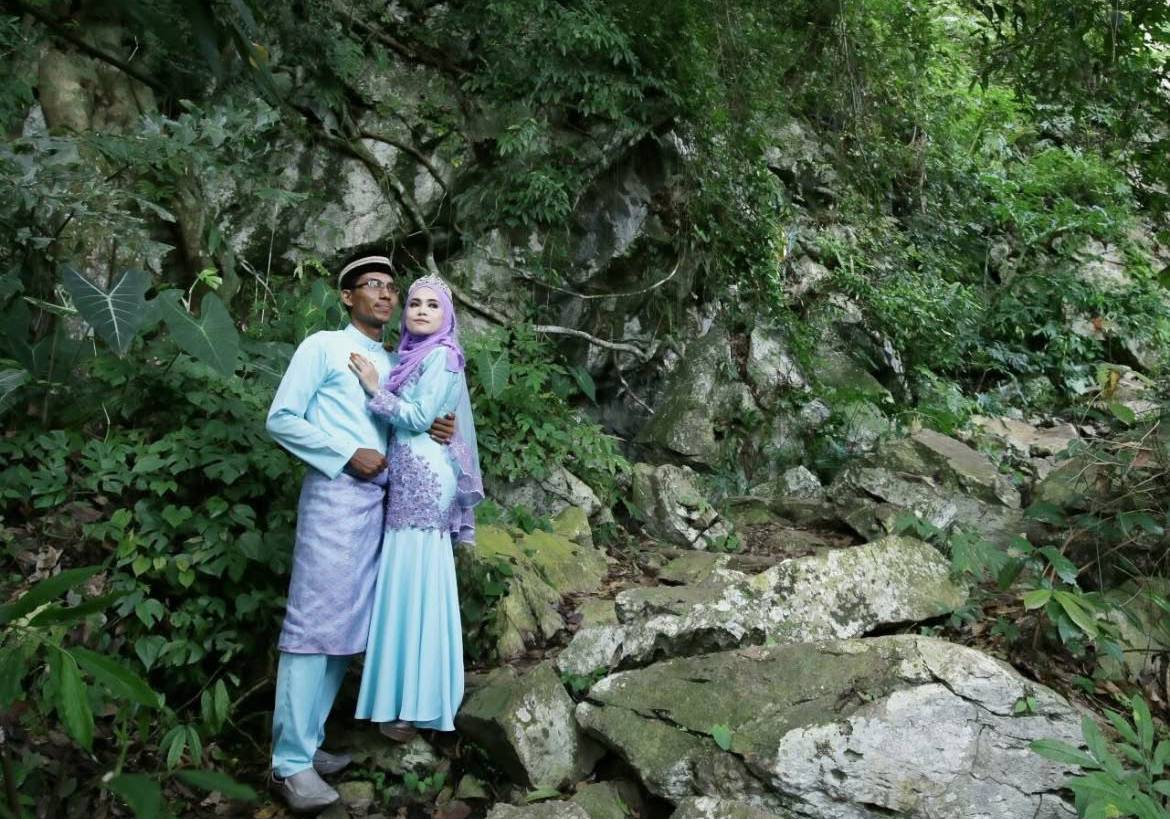
Today is Hani Othman’s 10th wedding anniversary. Her husband promised to bring her a gift from Nepal. Mohd Fakhrul Munir Mohd Isa has been missing since August 26. Flash floods tore through the Rasuwa district that day and swallowed the valley where he and his team were trekking.
“You promised to bring back an anniversary present. I am nervous thinking about what you will give me this year,” Hani wrote on Facebook this morning. She listed their plans — Mount Rinjani in May, Mount Kilimanjaro in August, and someday Everest together.
“I also told you that we will train together. I will accompany you all the way to the summit of Mount Everest. Your dream of reaching the summit has not been fulfilled yet. Please… where are you?”
Hani is not writing from home. She flew to Kathmandu alone on August 28, four days after the disaster. She did not wait for someone to tell her what was happening. “I decided to take the initiative myself to get an update because I cannot simply stay at home and cry. I must do something.”
Who Mohd Fakhrul Munir is — and where he went
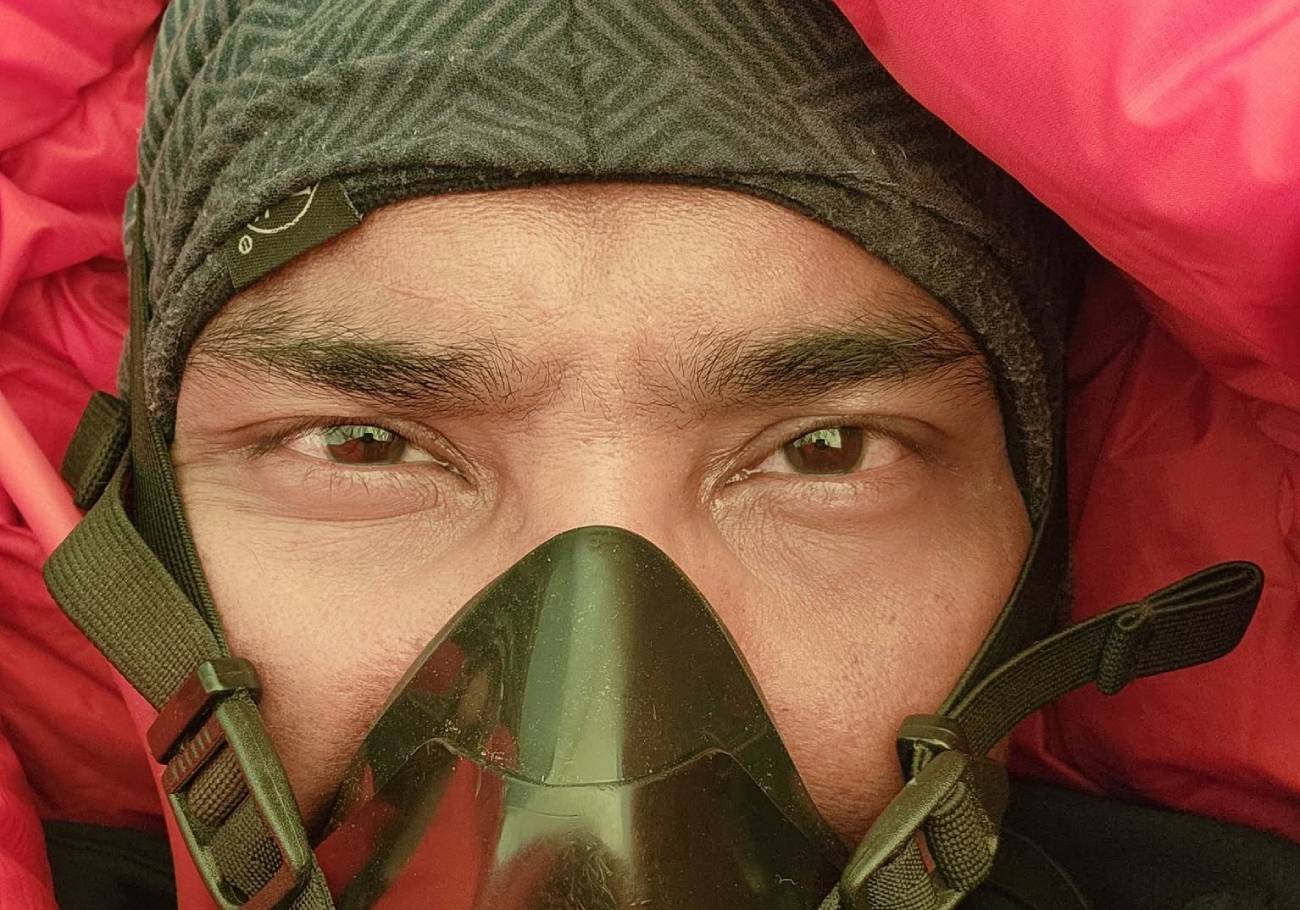
Mohd Fakhrul Munir Mohd Isa, 44, is a senior officer with the Fire and Rescue Department’s Special Air Operations Team. He is known to friends and colleagues as Loe. He was part of a group of 10 Malaysians — “Team Loe” — who had gone to Nepal on a personal trekking expedition.
The group became uncontactable on August 26, the day flash floods triggered by a glacial collapse struck the Trishuli River corridor. Team Loe was in a valley when the water hit.
Fakhrul Munir was not a casual hiker. He was a trained fire and rescue officer with experience in special air operations. He had thought seriously about the risks of extreme mountaineering.
On August 2 — three weeks before he disappeared — he posted about those risks on social media. He drew a comparison with the 1996 Everest disaster and the Broad Peak tragedy. He understood mountains. He went anyway.
He was in Nepal because it was supposed to be safe. Everest Base Camp is not a technical climb. Thousands of trekkers complete it every year without incident. The August 26 floods were not a foreseeable risk. A glacial collapse sent a wall of water and debris through the Trishuli corridor. It moved faster than any warning system could respond. Fakhrul Munir and Team Loe were simply in the wrong valley at the wrong time.
What Hani did when she got there
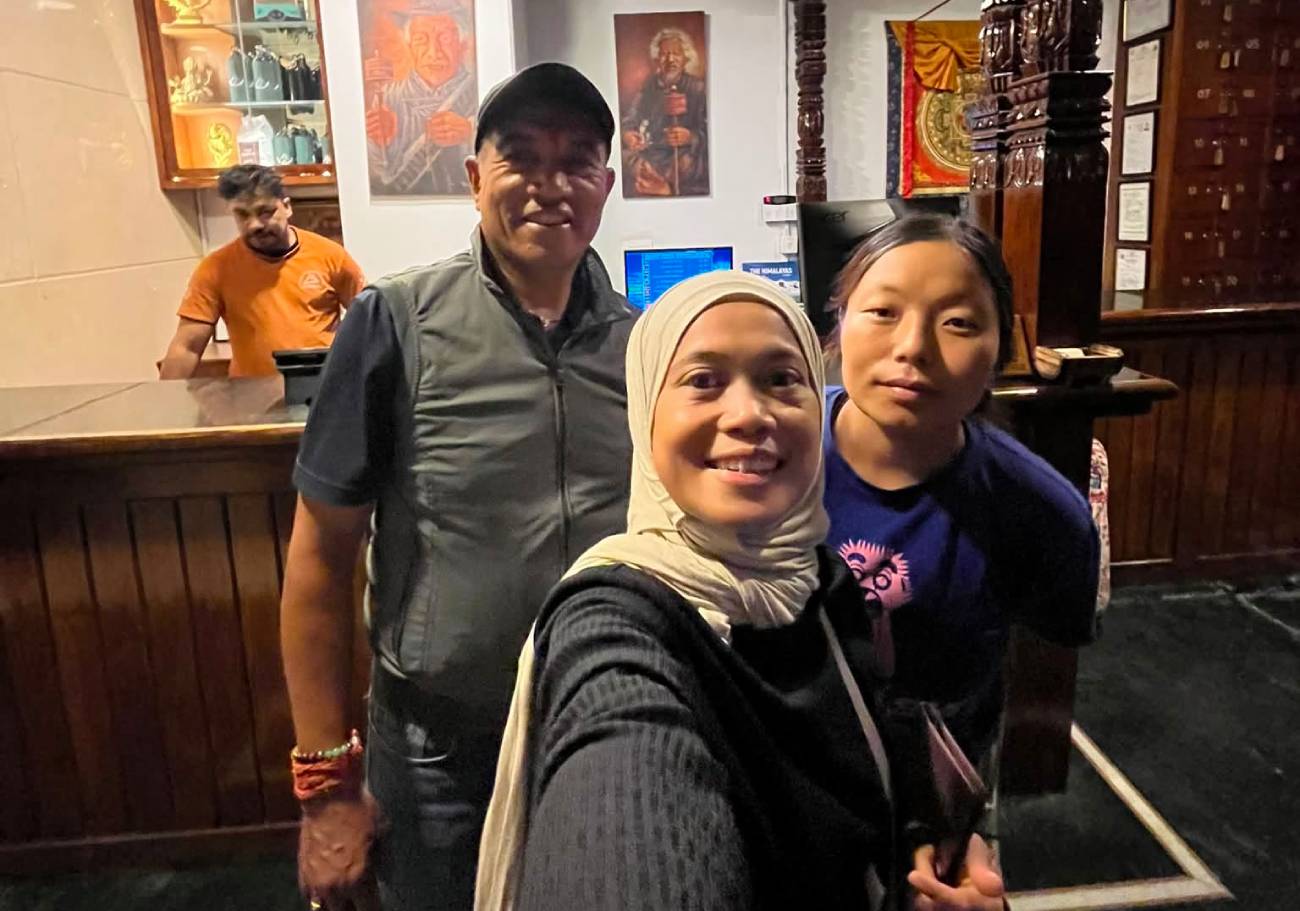
When Hani arrived in Kathmandu, she did not check into a hotel and wait for phone calls. She went to the hospital at the disaster site. She checked the bodies. She did not find him.
She then organised. By September 1, she had collected a lorry-load of humanitarian aid. Two hundred survival kits — sanitary pads, toothbrushes, underwear, slippers, instant noodles, ready-to-eat food and solar-powered power banks.
The Malaysian public donated the supplies through her social media posts. They were packed at a college in Maitidevi.
The aid collection was strategic. Access to survivor camps in the disaster zone required prior contribution of supplies. Hani understood the system and used it. While she waited for Nepalese government approval to enter the disaster area, she kept packing kits and posting updates.
“I hope I don’t find one of them here,” she wrote from the hospital. She has been saying variations of that sentence every day since she arrived.
A second family waiting
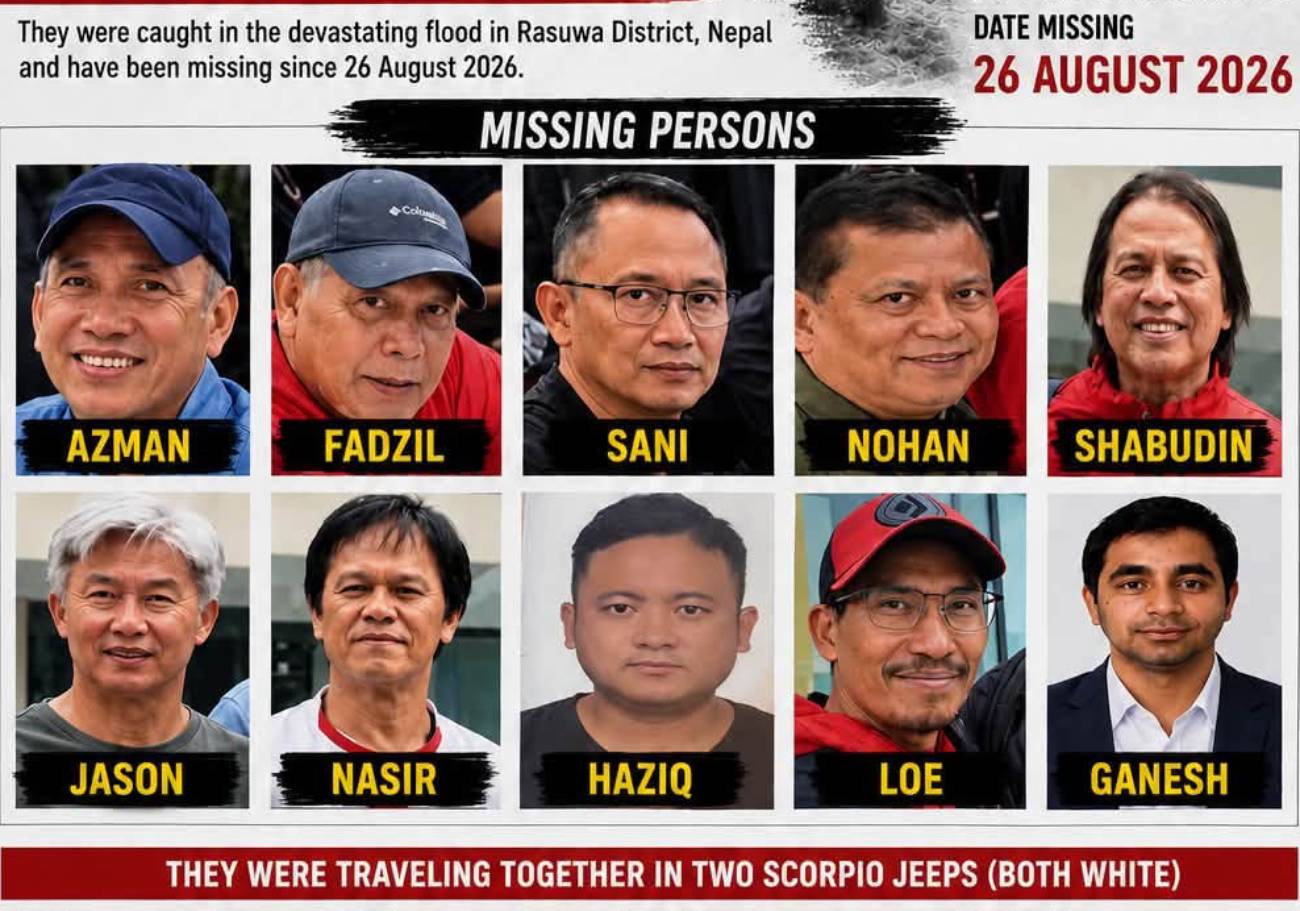
Fakhrul Munir was not the only Malaysian fire officer in Nepal that week. Mohd Sani Harul, Deputy Director of Planning and Research at JPBM headquarters, joined the same expedition. Sani is also missing.
His wife, Aziela Shaharuddin, has been posting from home. Hani flew to Kathmandu to act. Aziela has been holding the family together in Malaysia — posting prayers, holding vigil, doing the other kind of waiting. She shared a photograph of herself and Sani at the Kaaba in Makkah.
“Assalamualaikum, ‘abang’. It has been four days without any news from you and the team in Nepal,” she wrote on September 1. “Oh Allah, the Most Compassionate, the Most Merciful, our family raises our hands to You with hearts full of hope, longing and fear.”
“Let us embrace him again,” she wrote. “And give our family a chance to be grateful for his safe return.”
As of today, both Fakhrul Munir and Sani remain uncontactable. The broader count of missing Malaysians from the Nepal disaster stands at 51. Search and rescue operations in Rasuwa are ongoing. Destroyed roads and bridges make reaching the affected valley difficult.
Authorities have located 77 Malaysians from the disaster zone and begun repatriating them. But Team Loe has not been accounted for. Neither have dozens of other Malaysians who were in the Trishuli corridor on August 26. The Nepalese authorities are working through a disaster zone that is still partially inaccessible.
For families waiting in Malaysia — and for Hani, waiting in Kathmandu on her 10th anniversary — the only news that matters has not come.
If you have information on Team Loe or other missing Malaysians, contact the Malaysian Embassy in Kathmandu or Wisma Putra at +603-8887-4000


 Admin
Admin







Add comment