


 Amirull Salihing

Johor flood hotspots now number 337 as the northeast monsoon reaches the state. The rains are expected from November until January.
Johor State Public Works, Transport, Infrastructure and Communications Committee chairman Mohamad Fazli Mohamad Salleh gave the figures on Tuesday. They come while the state’s dams are still flagged low.
Here is where the Johor flood hotspots are, what the state is doing and what residents should expect.
Where the flood hotspots are
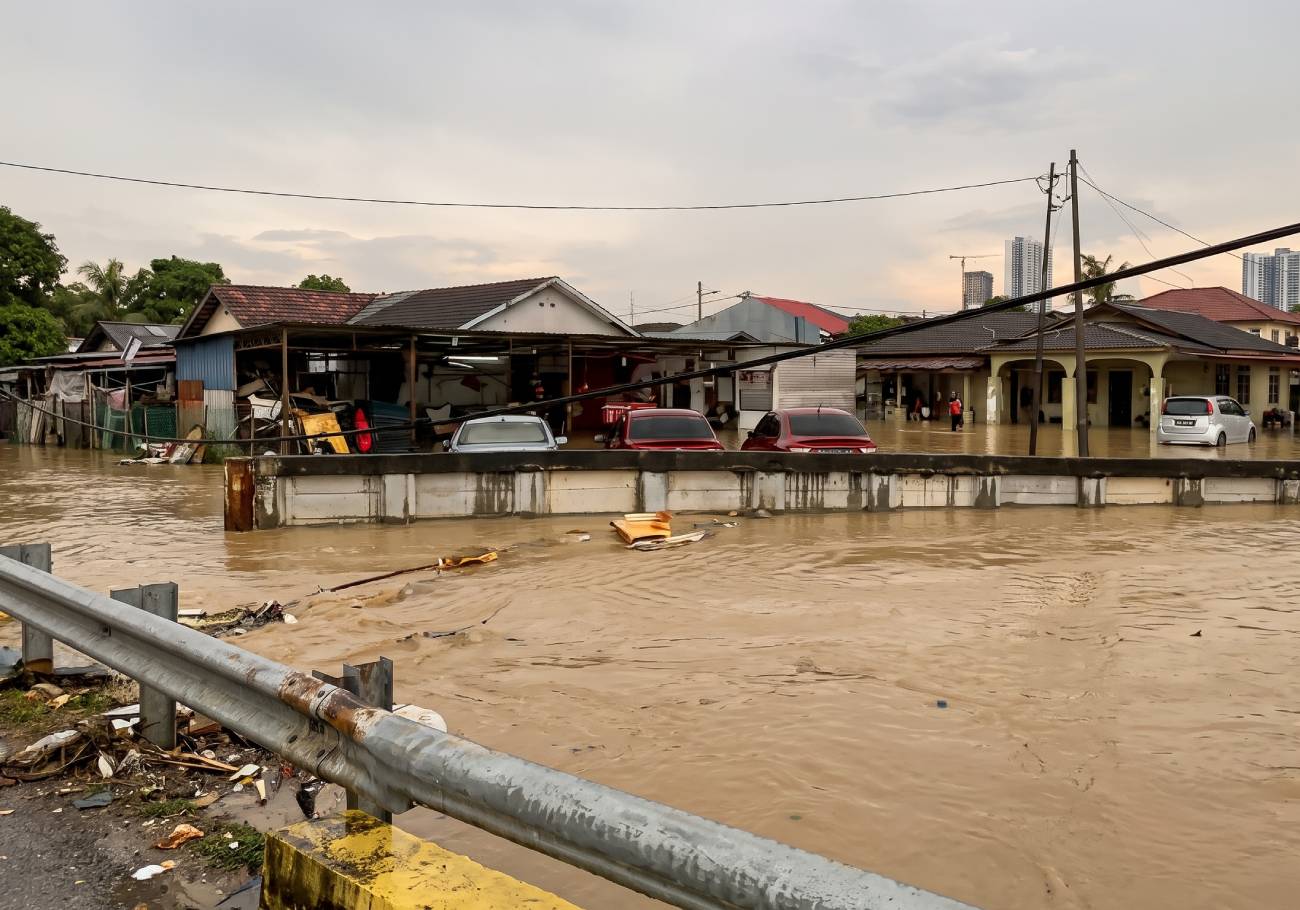
Muar tops the list. Its 65 hotspots are the most of any district. Johor Bahru follows with 44, and Batu Pahat has 41.
Segamat and Kluang have 29 each. Kulai has 27, Tangkak has 26, Mersing has 22 and Pontian has 19.
Overall, Muar, Johor Bahru and Batu Pahat hold 150 of the hotspots listed. By contrast, Pontian and Mersing have the fewest.
Even so, Kota Tinggi is a priority district, though no count was given. Fazli said priority goes to dense areas with a history of major floods.
Those areas are Kota Tinggi, Batu Pahat and Segamat. Each has seen serious flooding before.
However, the district figures listed do not add up to 337. Still, the report did not explain the gap, so treat the counts as a guide.
What the state is doing
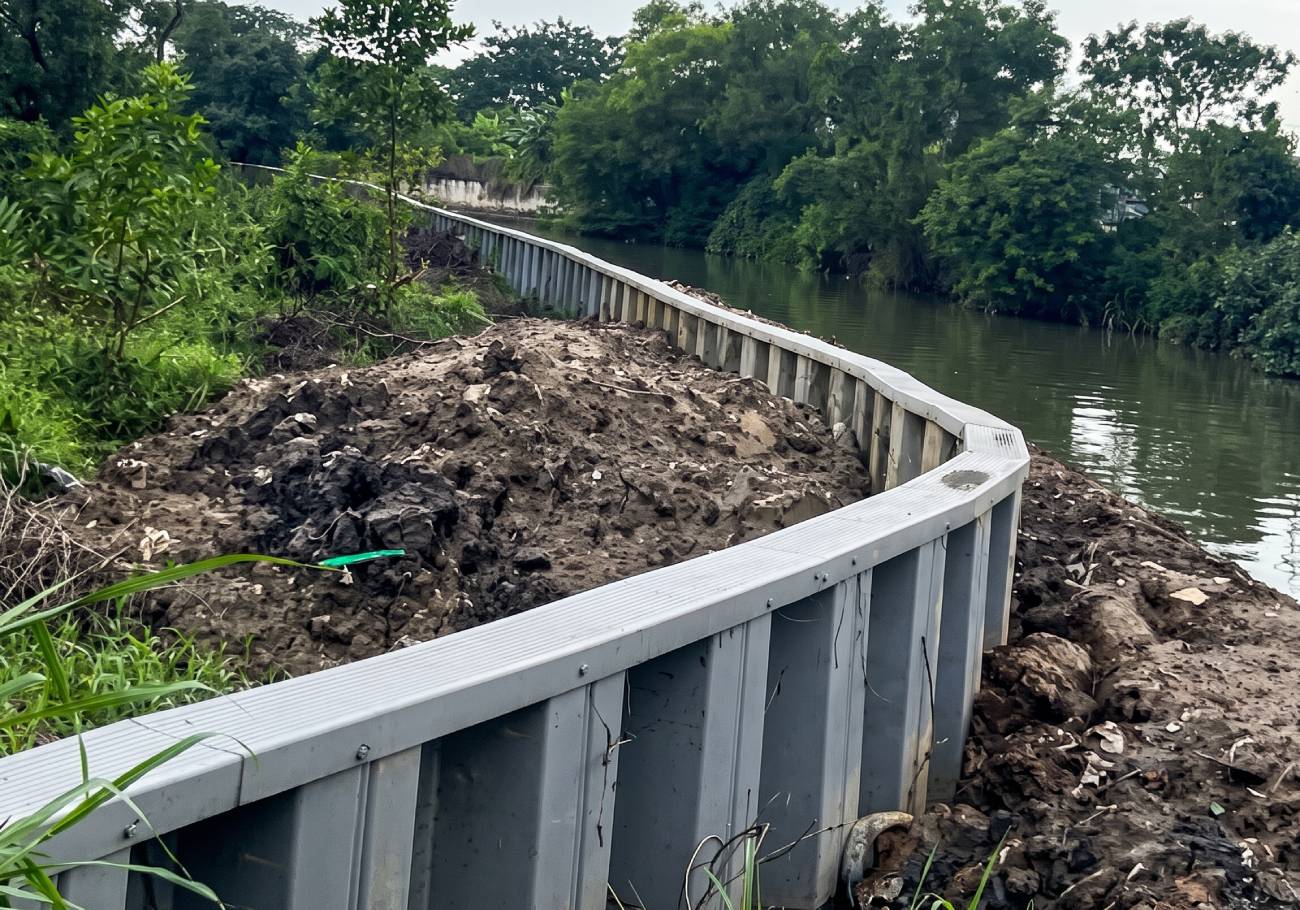
Fazli spoke after visiting a flood wall project in Pasir Gudang. For now, the work includes mapping hotspots, clearing drains and keeping machinery ready.
In addition, the state is using the eBencana system for reports and holding public outreach. Larger projects include phase one of the Sungai Johor flood mitigation plan.
For example, other works cover Sungai Pemandi and a flood relief project in Kampung Sungai Kapal Lama in Pengerang.
In Batu Pahat, mobile pumps will sit at the Parit Botak sluice gate. In addition, alternative routes via federal road FT024 and the PLUS Highway are planned.
Meanwhile, Segamat will monitor river levels and roads, while Tangkak will inspect culverts and drains.
The report did not say how many boats or relief centres are ready.
As for money, the state is preparing to apply for an emergency allocation of RM20 million to RM30 million. Therefore, the funds would cover maintenance and preparedness in high-risk areas in November and December.
What residents should expect
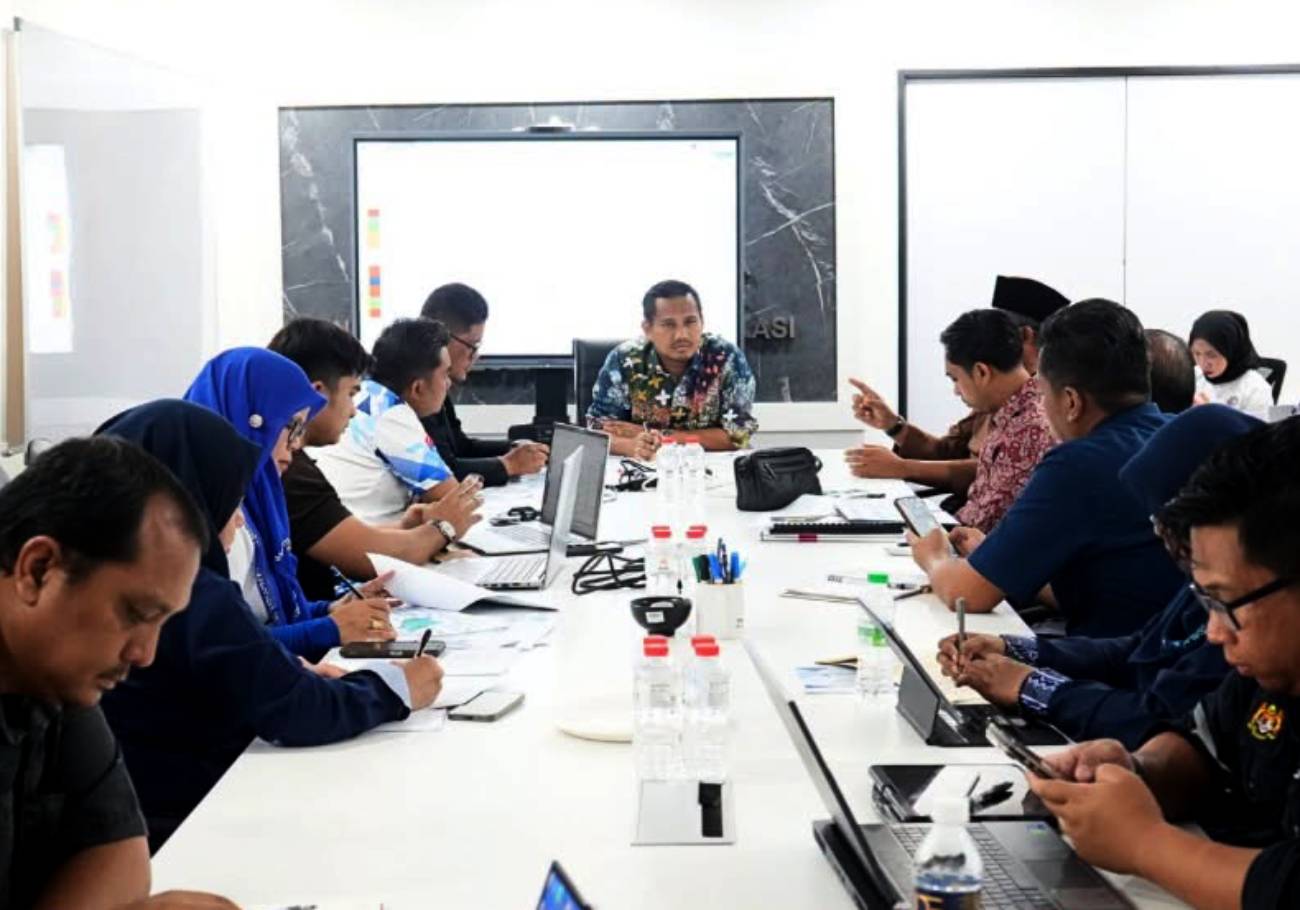
In Johor, the monsoon is expected to last about three months. MetMalaysia expects three to five episodes of heavy rain this monsoon. The first phase runs from November to January. The monsoon itself is expected to last until March 2027.
Because of that, low-lying areas and places near rivers face the highest risk. Rough seas are possible along the South China Sea.
For now, the weather service advises people to avoid flood-prone areas and never cross floodwater. It also urges them to follow evacuation orders.
Instead of waiting for a warning, keep documents, medicine and emergency numbers ready. Our flash flood advice lists more steps for drivers and residents.
For updates, check the MetMalaysia website, the myCuaca app or the hotline at 1-300-22-1638. Once a warning is issued, act on it quickly.
In short, Johor has named its weak spots, but the rains are only starting. Residents in Muar, Johor Bahru and Batu Pahat should prepare first. Check drains and escape routes this week.




 Admin

 C. Khor







Add comment