


 Sashidaran Gunathevan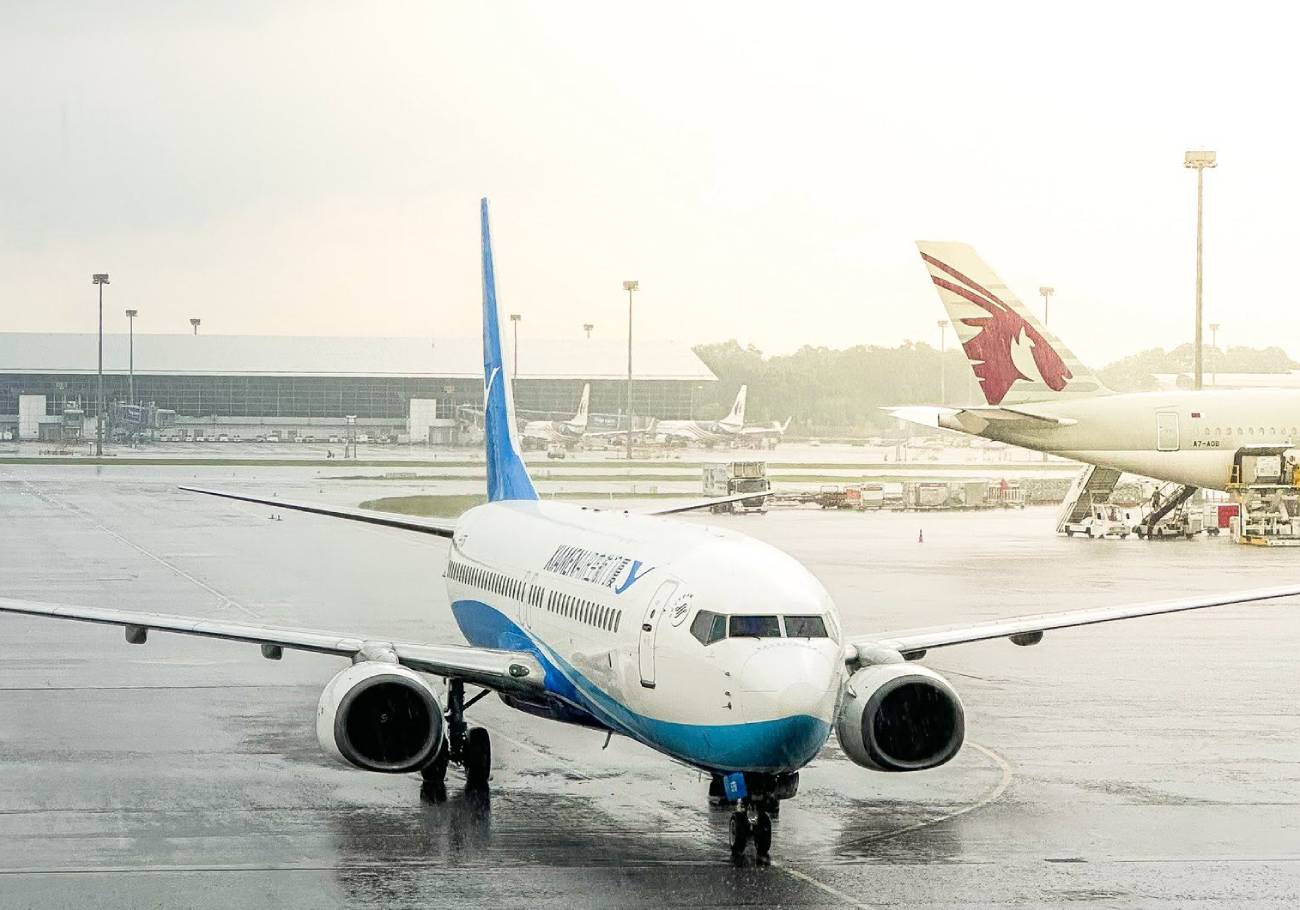
Southeast Asian aviation is under real strain this week. Anak Krakatau‘s ongoing eruption has now affected roughly 170,000 passengers and more than 1,500 flights since Friday. KLIA has stepped in as a backup airport for planes that cannot reach Jakarta.
At the same time, a separate problem has been building in Borneo. Haze from Kalimantan’s forest fires pushed Sarawak’s air quality into hazardous territory this month, and Kuching International Airport cancelled two flights on 1 September as conditions worsened.
These two crises are not connected. One is volcanic ash drifting across Java and Sumatra. The other is smoke from land and forest fires drifting across the border from Kalimantan into Sarawak. They just happen to be straining the same regional aviation system in the same stretch of days.
Krakatau’s spreading disruption
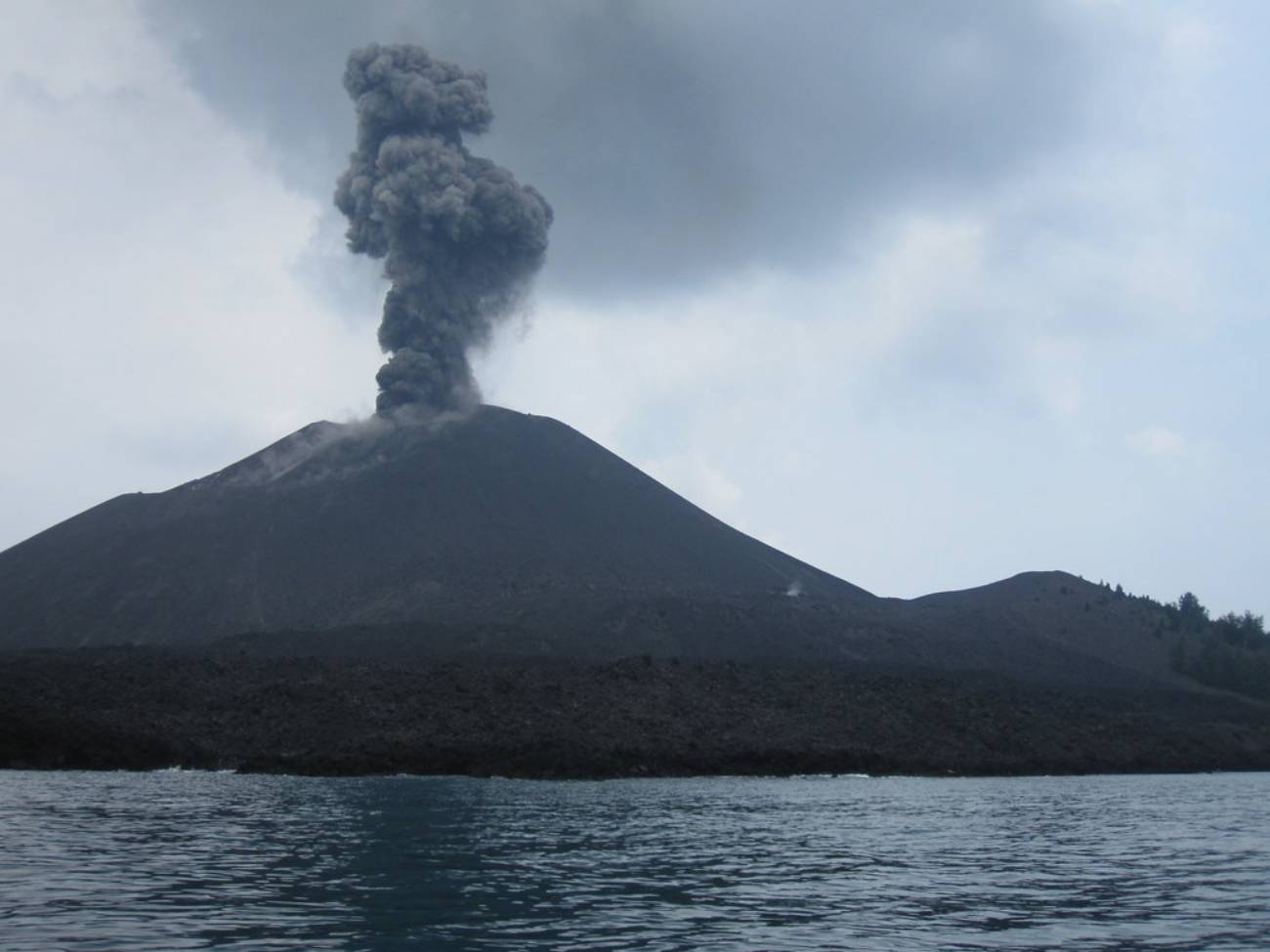
Indonesia has kept eight airports closed since Friday, including Jakarta’s Soekarno-Hatta. Winds have pushed the ash cloud further east since the weekend, forcing officials to extend the closure more than once already.
The toll keeps climbing. Malaysia’s aviation authority, CAAM, counts about 170,000 affected passengers and over 1,500 disrupted flights so far. Garuda Indonesia has cancelled its Jakarta services until at least noon today.
Malaysia has absorbed some of the fallout directly. CAAM chief executive Norazman Mahmud said two Jakarta-bound flights have diverted to KLIA instead, one from Oman and one from Saudi Arabia. Malaysian carriers, including MAS, AirAsia and Batik Air, have all cancelled Jakarta routes of their own.
Jakarta schools shifted to remote learning as a precaution, a sign the disruption now reaches well past the airport itself. None of this has a fixed end date yet; it depends entirely on how the volcano behaves next.
A separate crisis brewing in Borneo
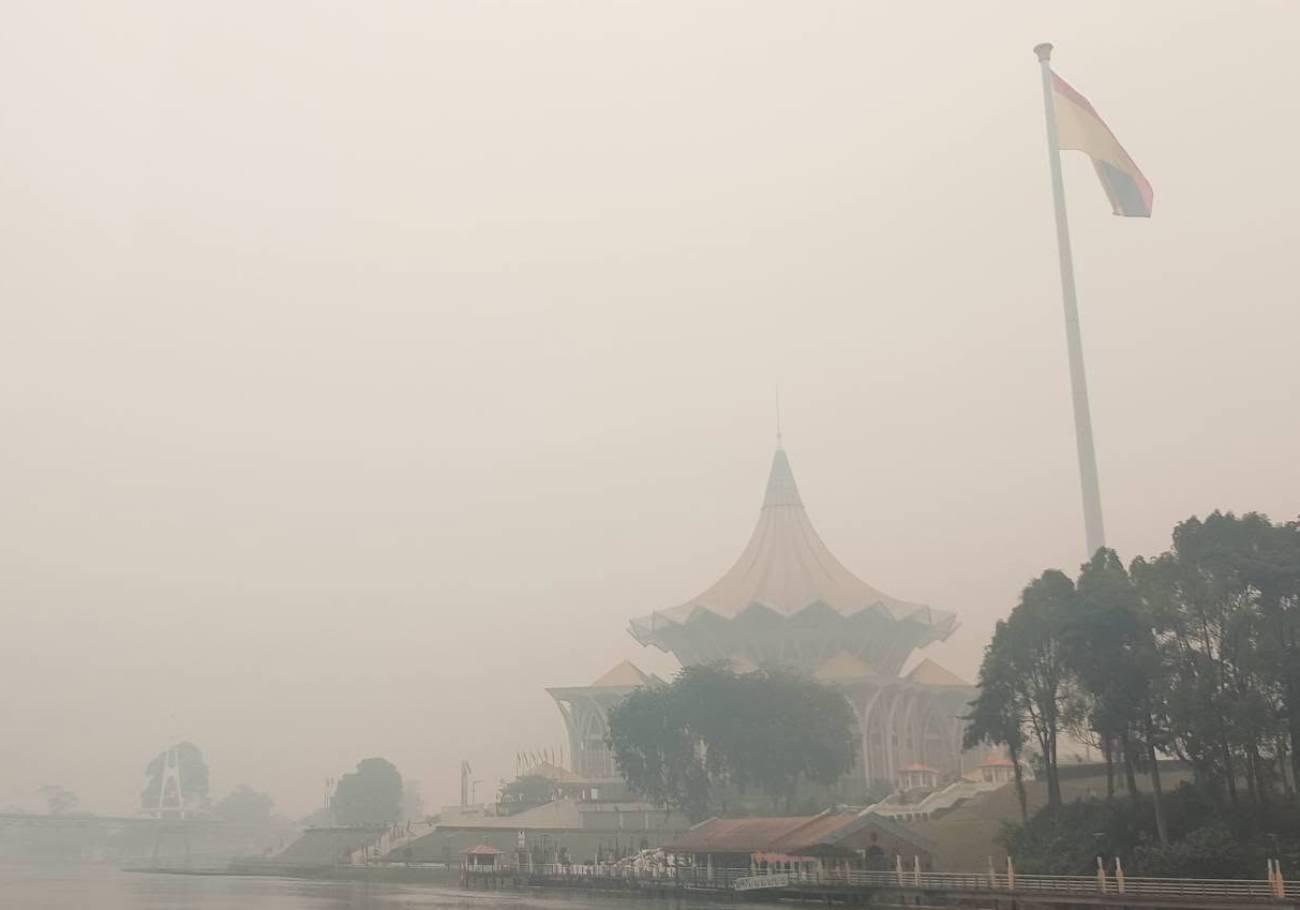
Sarawak’s haze problem has nothing to do with the volcano. It traces back to forest and land fires burning across Kalimantan, with smoke crossing the border on prevailing winds, the same pattern that has caused haze disruptions in past years.
Air quality readings turned hazardous fast. Serian recorded an API of 351 as of 1 September, with Kuching, Sibu, Sarikei and Samarahan all crossing 300 as well. Malaysia’s air quality scale classifies anything above 300 as hazardous, the most severe category it has.
Kuching International Airport felt the impact directly. Two flights, on the Kuching-Mukah and Kuching-Tanjung Manis routes, were cancelled as haze reduced visibility around the runway. Twenty-nine passengers in total were affected.
Haze-driven flight disruptions are not new for East Malaysia. Reduced visibility at Kuching has grounded or delayed flights in past haze seasons too, sometimes for days at a stretch if the smoke keeps rolling in.
For anyone flying through the region this week, both situations deserve separate attention. A flight through Jakarta faces volcanic ash risk; a flight through Kuching or Sibu faces haze-driven visibility risk. Checking status against the right cause, not just the general news, is what actually helps here.

 Yalinie Mathan
 C. Khor





Add comment