

 Yalinie Mathan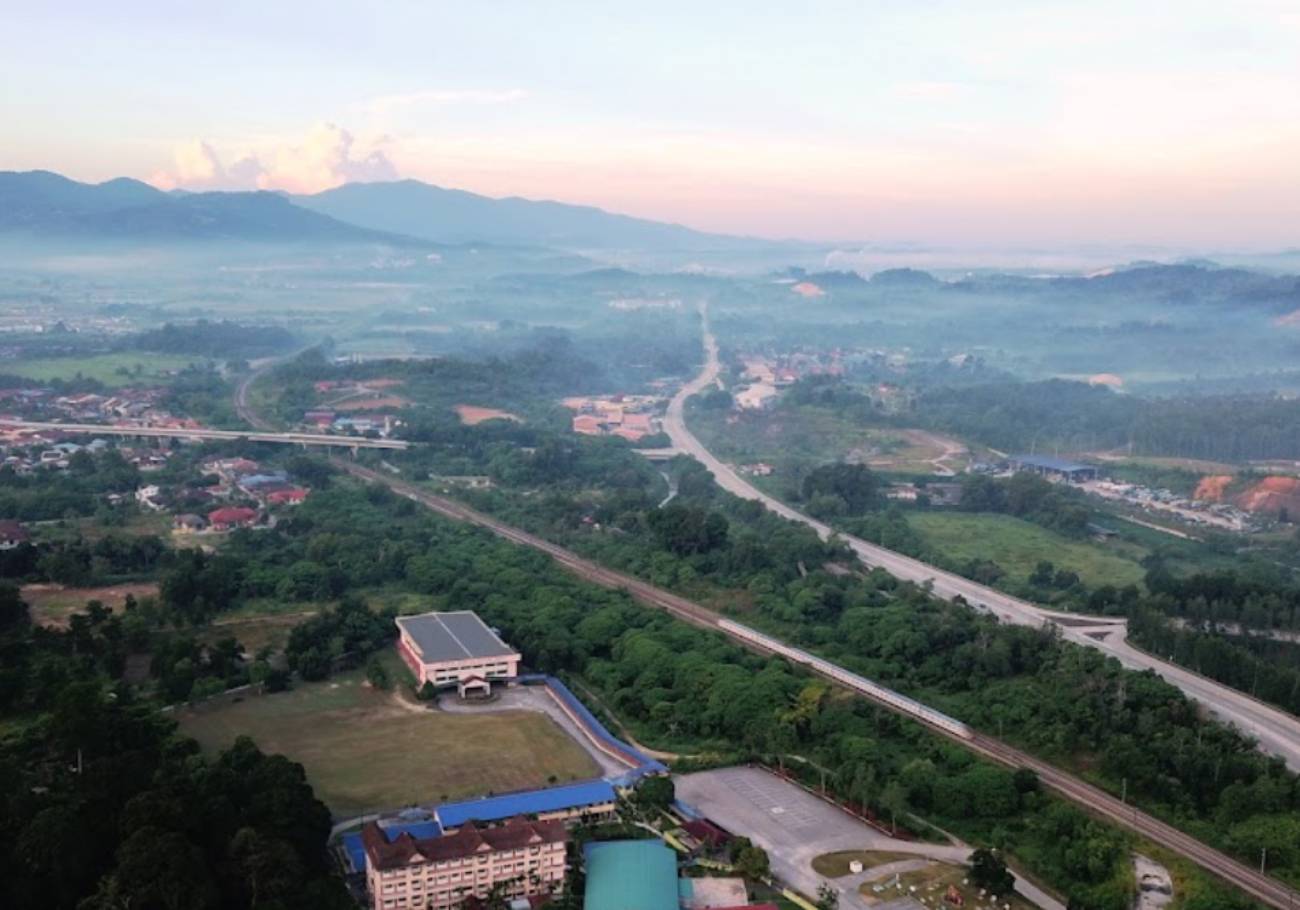
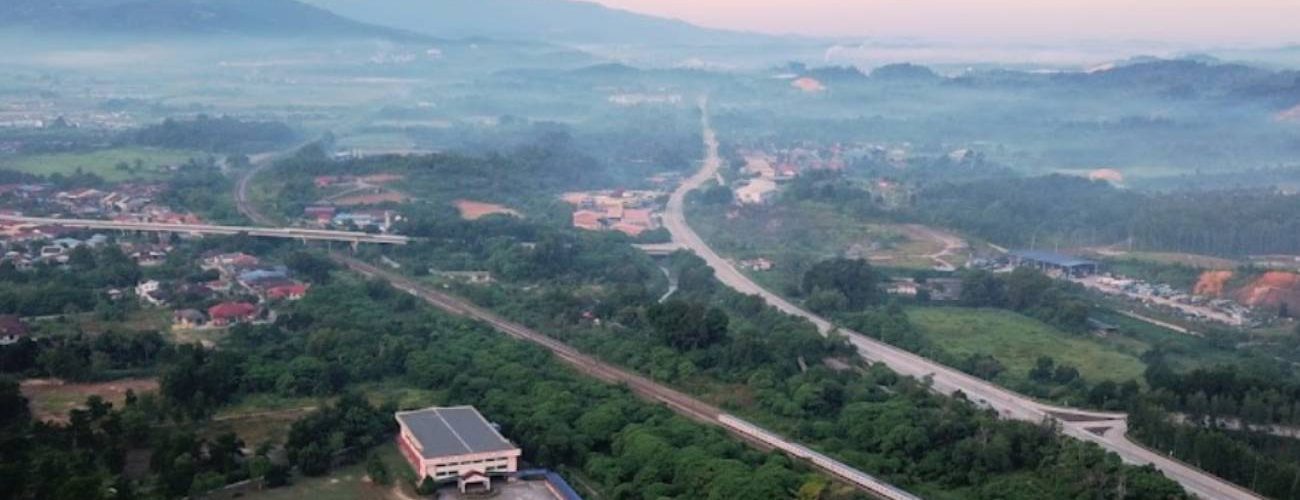
Batang Kali was a tin mining and rubber planting centre long before it became a rest stop. Today most drivers know it as a place to eat on the way to Genting Highlands. Its history is much heavier than that.
The town sits in Hulu Selangor, about an hour from Kuala Lumpur. Two chapters define it. One is the Malayan Emergency, which created its Chinese new village. The other is the killing of 24 villagers by British soldiers on 12 December 1948.
This profile traces both, and then looks at what the town carries today. Our sources date from 2013 to 2025, so details may have changed.
Batang Kali: A town shaped by the Emergency
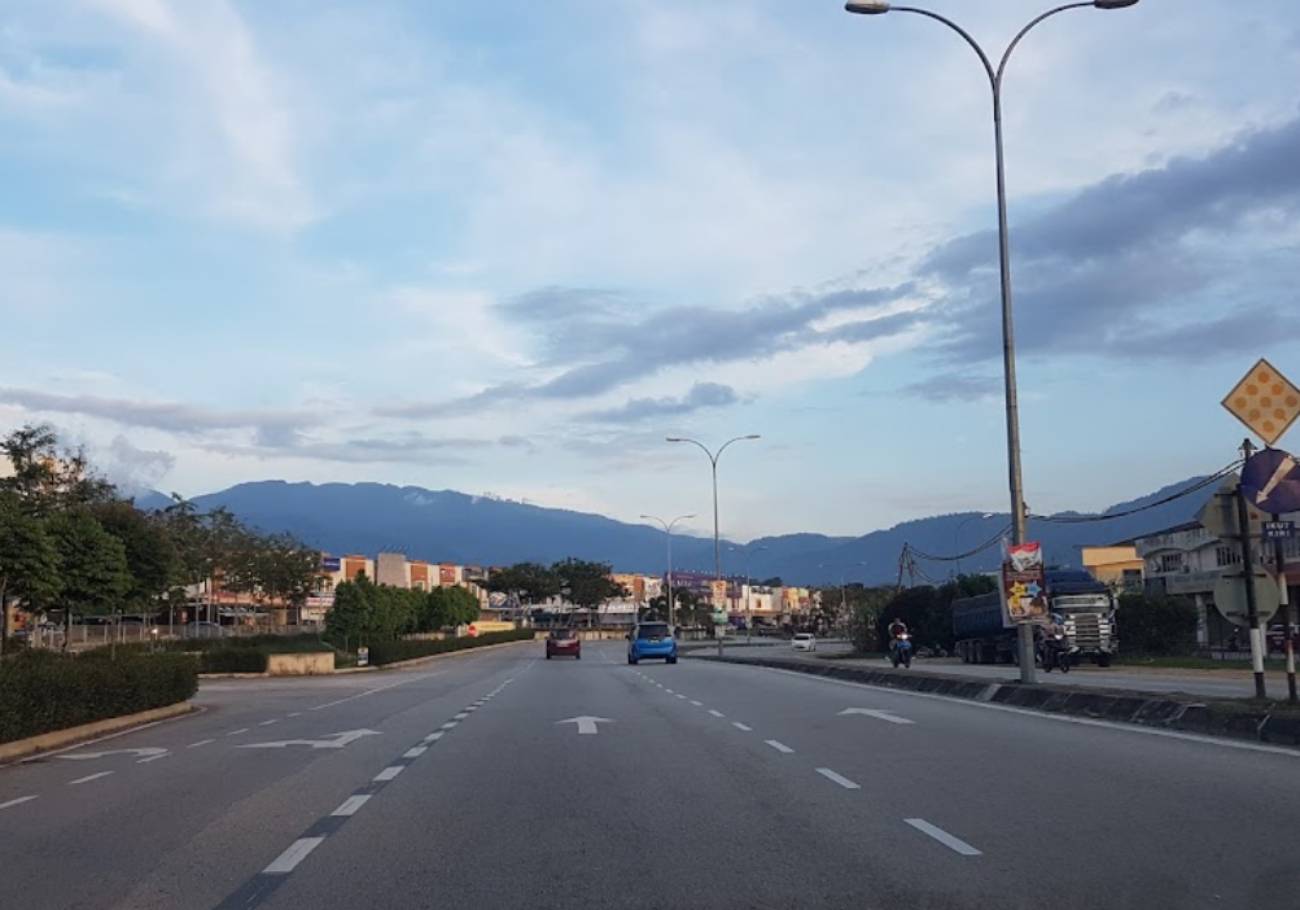
Kampung Bukit Chandang is the town’s Chinese new village. It was previously called Kampung Baru Batang Kali. A 2013 travel blog explained that it began during the Emergency. Authorities rounded up scattered rural dwellers and rehoused them in a fenced, guarded village.
The aim was to stop them supporting the communist guerrillas. The Briggs Plan of 1950 created such resettlement areas across Malaya. A 2025 Universiti Malaya journal article says Selangor had 42 new villages in the 1950s. Of their population, 86 per cent were Chinese.
In 1950, the blog says, Bukit Chandang had over 1,000 inhabitants, almost all Hokkien Chinese. They worked in rubber tapping, tin mining or agriculture. The same blogger wrote that the tin industry later collapsed.
After that, younger people left for Kuala Lumpur and elsewhere. The population fell to about 150 families, or roughly 400 people. Still, some of the original wooden houses with tin roofs survive. Two temples stand at the village’s highest point.
The 1948 massacre and a long fight for recognition
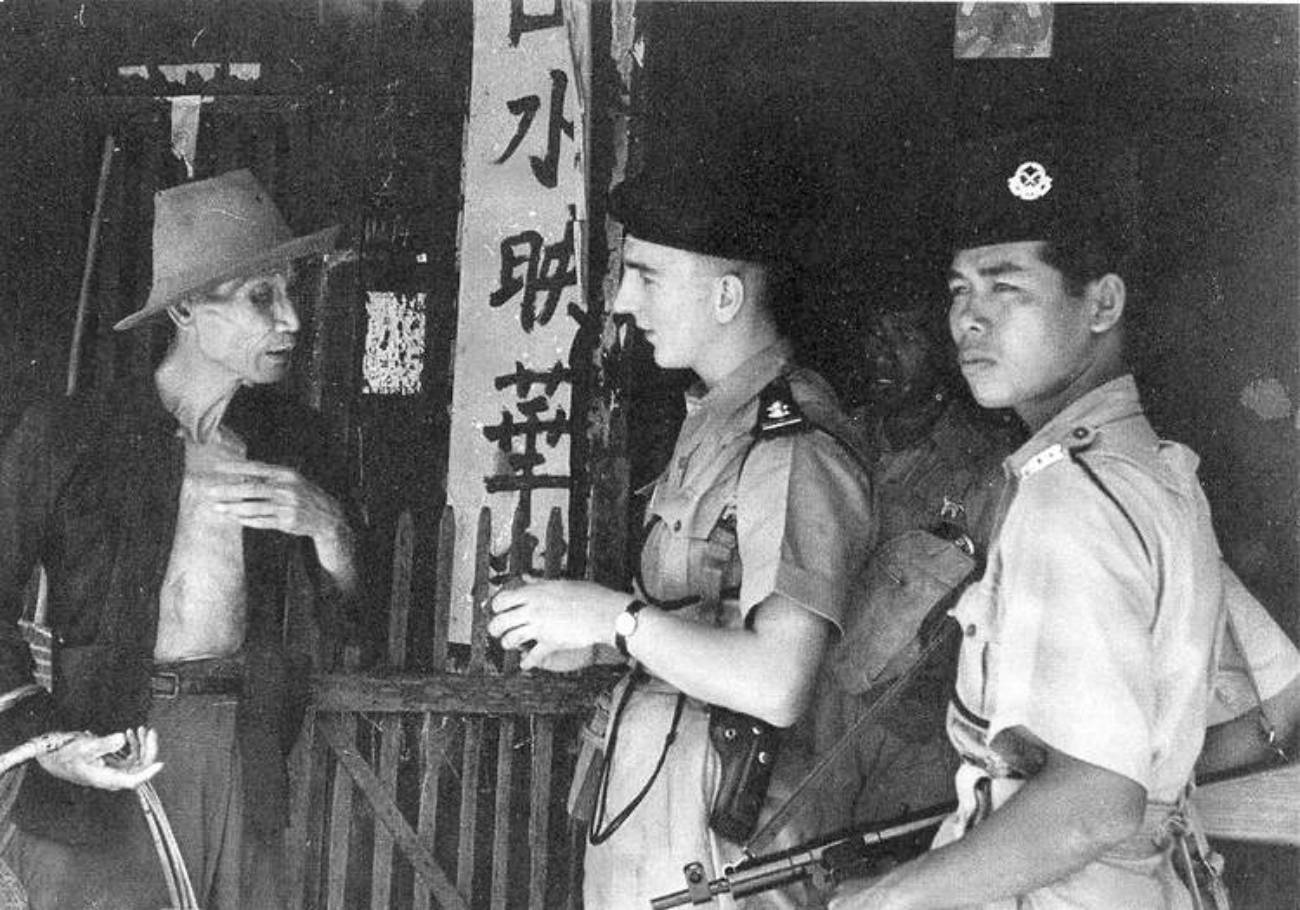
A rubber plantation owned by a Scotsman stood in the hills near the town. According to Al Jazeera, a 14-man Scots Guards patrol entered a settlement there on the evening of 11 December 1948. About 50 adults and some children lived and worked in the area.
The soldiers separated the men from the women and children. The next morning, 23 men were shot dead, after one had died the night before. In total, 24 unarmed men were killed. Colonial reports at the time called them bandits shot while escaping.
The families fought for answers for decades. Lawyer Quek Ngee Meng’s father began the campaign in 2008. Quek took it up after his father died in 2010. In 2015, the UK Supreme Court said the evidence indicated the victims were “mercilessly murdered”. Even so, it ruled that Britain did not have to hold a public inquiry.
The European Court of Human Rights rejected the case in 2018. Then, on 31 March 2025, UK minister Catherine West wrote that the UK “deeply regrets the tragic deaths”. Quek said it was the first time Britain had unequivocally recognised wrongdoing. He has called for a memorial at Ulu Yam, where the victims lie.
What the Batangkali carries today
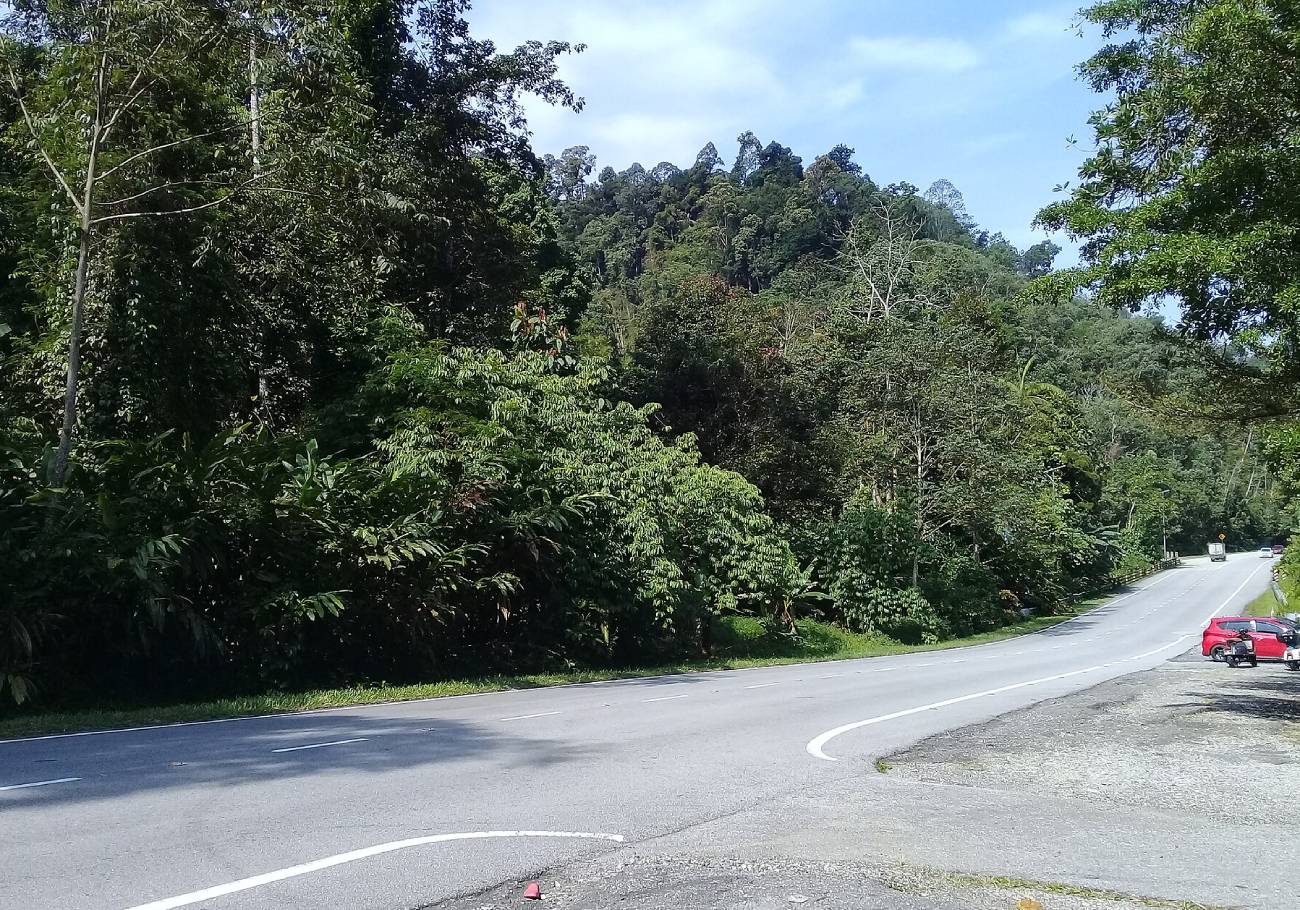
Batang Kali is better known now for its road. The B66 route to Genting closed after the December 2022 landslide, which killed 31 people. It reopened on 1 July 2024. Hotel manager Riduan Adnan said in 2022 that food is cheaper there than in Genting. He also called the town a popular stopover.
The old Hokkien community still shapes daily life. A 2016 Malay Mail report said everyone in Bukit Chandang can make lam mee. The village also has Swee Len Food Industries, a third-generation business. It makes mua lao and lao huei, which are Hokkien wedding gifts baked over firewood.
A 2016 blog says the business has made them since 1923. Making each batch takes seven days, all by hand. The village head led the noodle-making workshop that the reporter joined.
If you visit, go on a weekday and call ahead, because shops may have changed since those reports. Treat Bukit Chandang as a place where people live, not only a stop. Eat at a local shop, then ask about the village’s story.

 Sashidaran Gunathevan
 Admin
Admin




Add comment