


 Admin
AdminRenovating an older home in Kuala Lumpur can deliver excellent long-term value—but it often costs far more than homeowners initially expect. Hidden structural defects, ageing electrical and plumbing systems, and condominium management requirements can quickly turn what seems like a straightforward renovation into an expensive surprise.
Whether it’s a terrace house in Cheras, a detached home in Bangsar, an older condominium in Setapak or another landed home elsewhere in Kuala Lumpur, ageing properties often come with renovation challenges that remain hidden until work begins. Understanding these challenges before starting a project can help homeowners budget more accurately, minimise delays and make better-informed decisions.
Many homeowners only discover these issues after demolition has already begun, when changing course becomes significantly more expensive.
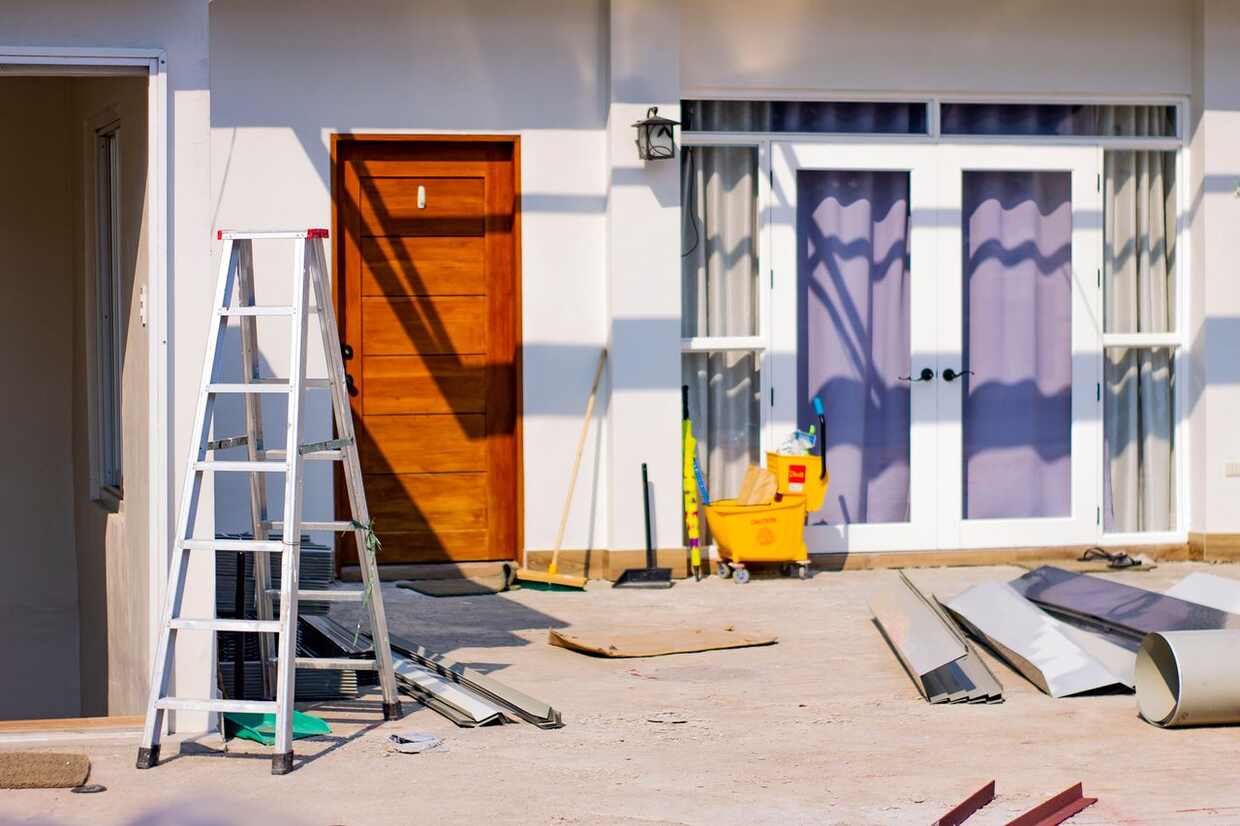
Hidden Structural Issues
A major reason renovation costs increase is that many problems remain hidden until walls, ceilings or flooring are removed.
Depending on the age and condition of the property, contractors may uncover termite damage, roof leaks, deteriorated waterproofing, damp walls, uneven flooring or structural cracks that weren’t obvious during the initial inspection.
It’s also common to discover evidence of previous renovations that weren’t completed to a high standard. Correcting poor workmanship often adds time and cost before new finishes can be installed.
These unexpected discoveries often require repairs before the renovation can proceed safely, increasing both labour and material costs.
Outdated Electrical and Plumbing Systems
Electrical systems installed decades ago were designed for a very different lifestyle.
Today’s households typically rely on multiple air conditioners, induction cooktops, water heaters, smart home devices and home office equipment. Older wiring may not safely support today’s electrical demands and may require upgrading to meet current safety standards.
Plumbing systems often present similar challenges. Ageing pipes may have corroded internally or developed hidden leaks over time. Replacing outdated plumbing during a renovation may increase the initial budget, but it can prevent significantly more expensive repairs in the future.
Renovating Condominiums Requires Additional Planning
Many older condominiums throughout Kuala Lumpur have strict renovation procedures that homeowners must follow.
Building management may require renovation permits, contractor registrations, insurance documents and refundable deposits before work can begin. Some developments also restrict noisy work to specific hours or prohibit renovation activities during weekends and public holidays.
Limited parking, lift bookings and material deliveries can also slow the project and increase labour costs. These practical considerations are easy to overlook during the planning stage.
Material Compatibility
Older homes frequently contain materials that are no longer commonly manufactured.
Matching existing floor tiles, roof materials, windows or decorative finishes can be difficult and, in some cases, impossible. A small repair may require replacing an entire section to maintain a consistent appearance.
Older wall surfaces may also require additional preparation before painting, tiling or installing cabinetry, adding further time and cost to the project.
Changes During Construction
Many renovation budgets increase not because of hidden defects, but because homeowners continue making design changes after construction has already started.
Relocating walls, redesigning kitchens or moving plumbing midway through a project often results in additional demolition, labour and materials. Finalising layouts, finishes and specifications before work begins is one of the most effective ways to keep a renovation on budget.
Experience Matters
Renovating an older property requires more than simply replacing finishes. It demands planning, technical knowledge and the ability to identify potential problems before they become expensive surprises.
Experienced renovation contractors often observe the same pattern: the largest budget increases usually occur after demolition reveals problems that were impossible to detect during the initial inspection.
According to My Reno Service, many homeowners in KL assume the biggest renovation expenses come from choosing premium finishes. In reality, unexpected costs are far more likely to arise when hidden structural, plumbing or electrical problems are uncovered after demolition begins. A thorough site assessment and a detailed scope of work won’t eliminate every surprise, but they can significantly reduce the risk of unexpected costs.
Plan for the Unexpected
Even with careful planning, renovations involving older homes rarely go exactly as planned.
For this reason, many renovation professionals recommend setting aside approximately 10–20% of the total renovation budget as a contingency fund, particularly when renovating homes that are more than 20 years old. Having this financial buffer makes it easier to deal with unexpected repairs without compromising the overall renovation.
Before You Begin Your Renovation
A little preparation can prevent major budget overruns later. Before renovating an older home, homeowners should:
– Arrange a thorough site inspection before finalising the renovation scope.
– Upgrade ageing electrical and plumbing systems where necessary.
– Obtain all required approvals early, particularly for condominium renovations.
– Finalise layouts and material selections before construction begins.
– Set aside a contingency budget of around 10–20% for unexpected repairs.
Final Thoughts
While older homes almost always present unexpected challenges, they also offer opportunities that newer properties often cannot. With realistic budgeting, proper planning and experienced advice, homeowners can approach their renovation with greater confidence and avoid many of the costly surprises that commonly arise once work begins.
For homeowners considering an older property, understanding these challenges before work begins can make the entire renovation process far more predictable—and ultimately far less stressful.


 Yalinie Mathan
 Maran Perianen
 CJMY
CJMY






Add comment