

 Yalinie Mathan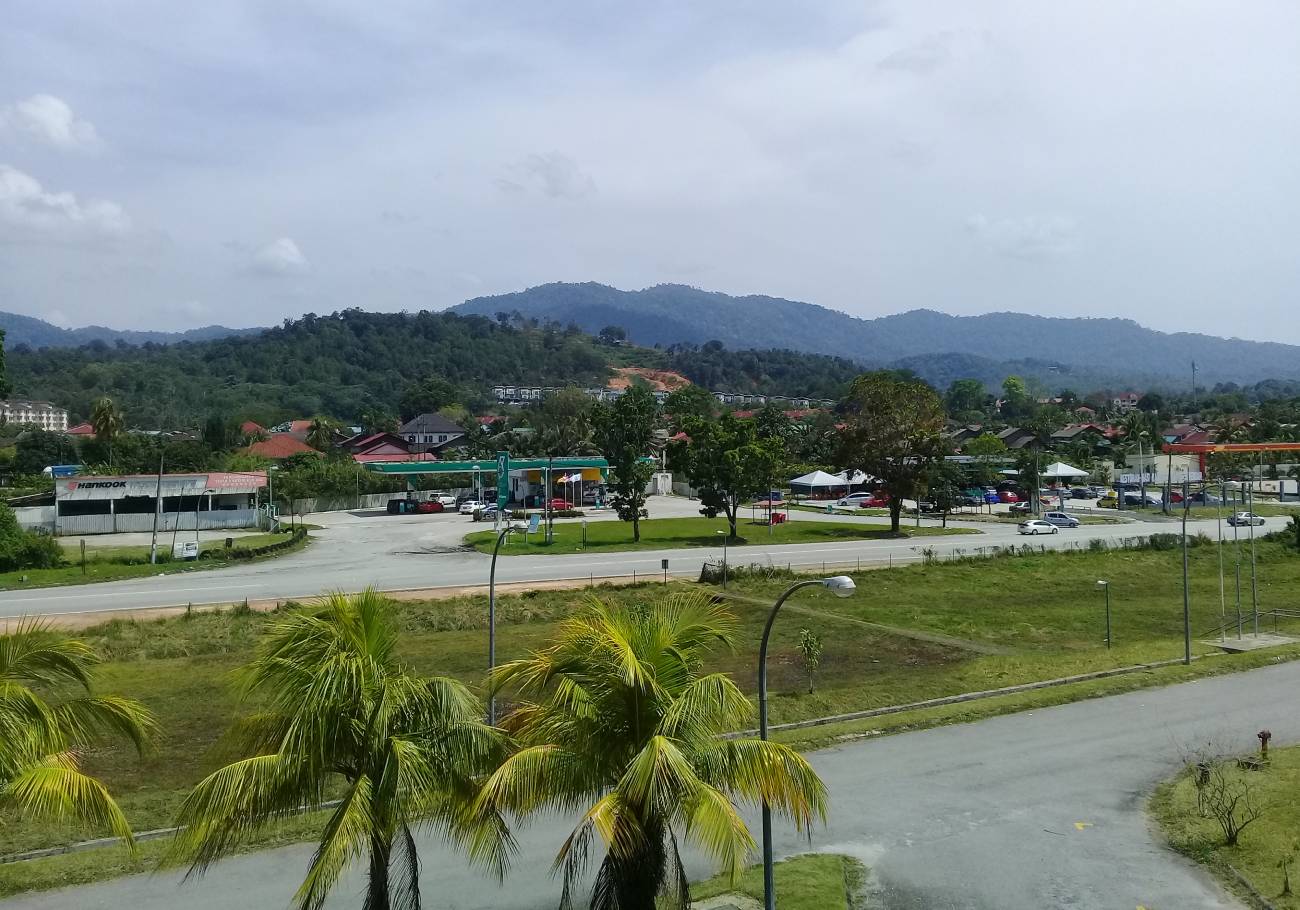
Serendah sits just 26km north of Kuala Lumpur, but most Malaysians know it only as a highway blur between Rawang and Kuala Kubu Bharu. That is a significant oversight — this Serendah heritage town has a 130-year history written in tin, rubber, railway iron, and community stone.
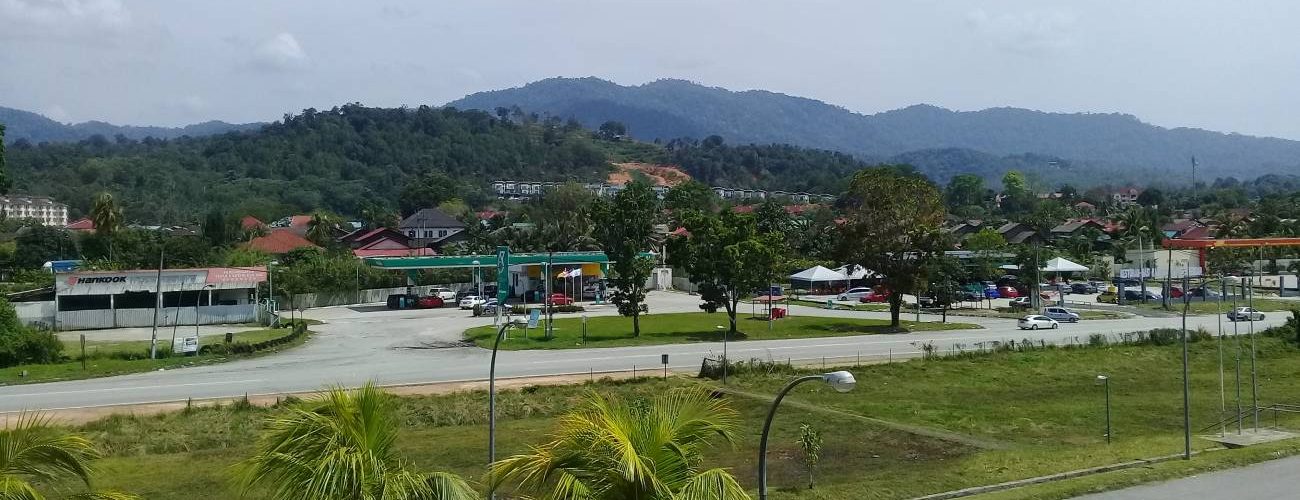
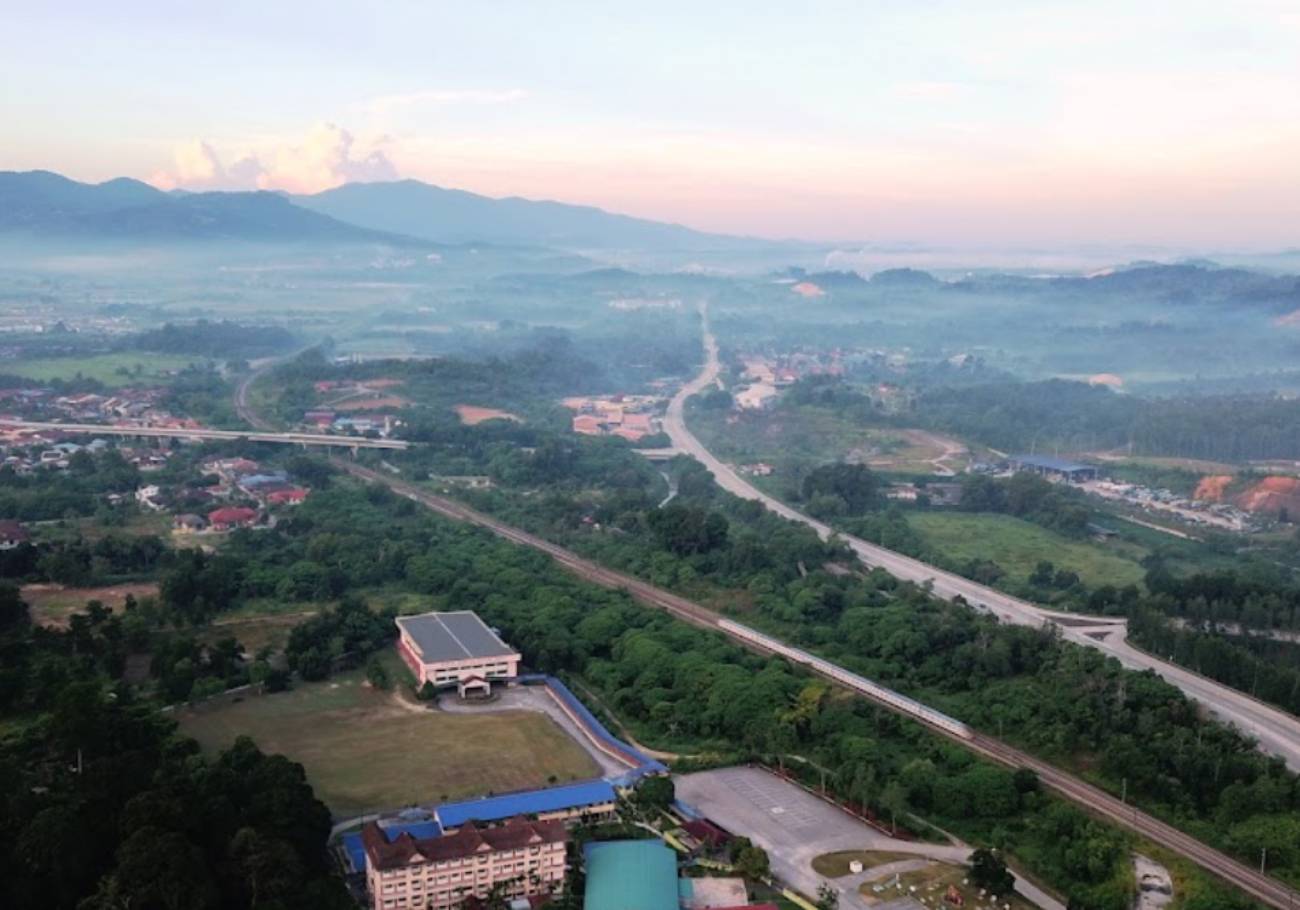
The town’s name tells you something immediately. Serendah means “low-lying” in Malay — a reference to the valley floor it occupies, surrounded by forested hills.
That geography shaped everything: the floods that threatened it, the flood controls built to save it, and the industrial wealth that briefly made it one of Selangor’s most productive corners.
From mud to mining wealth
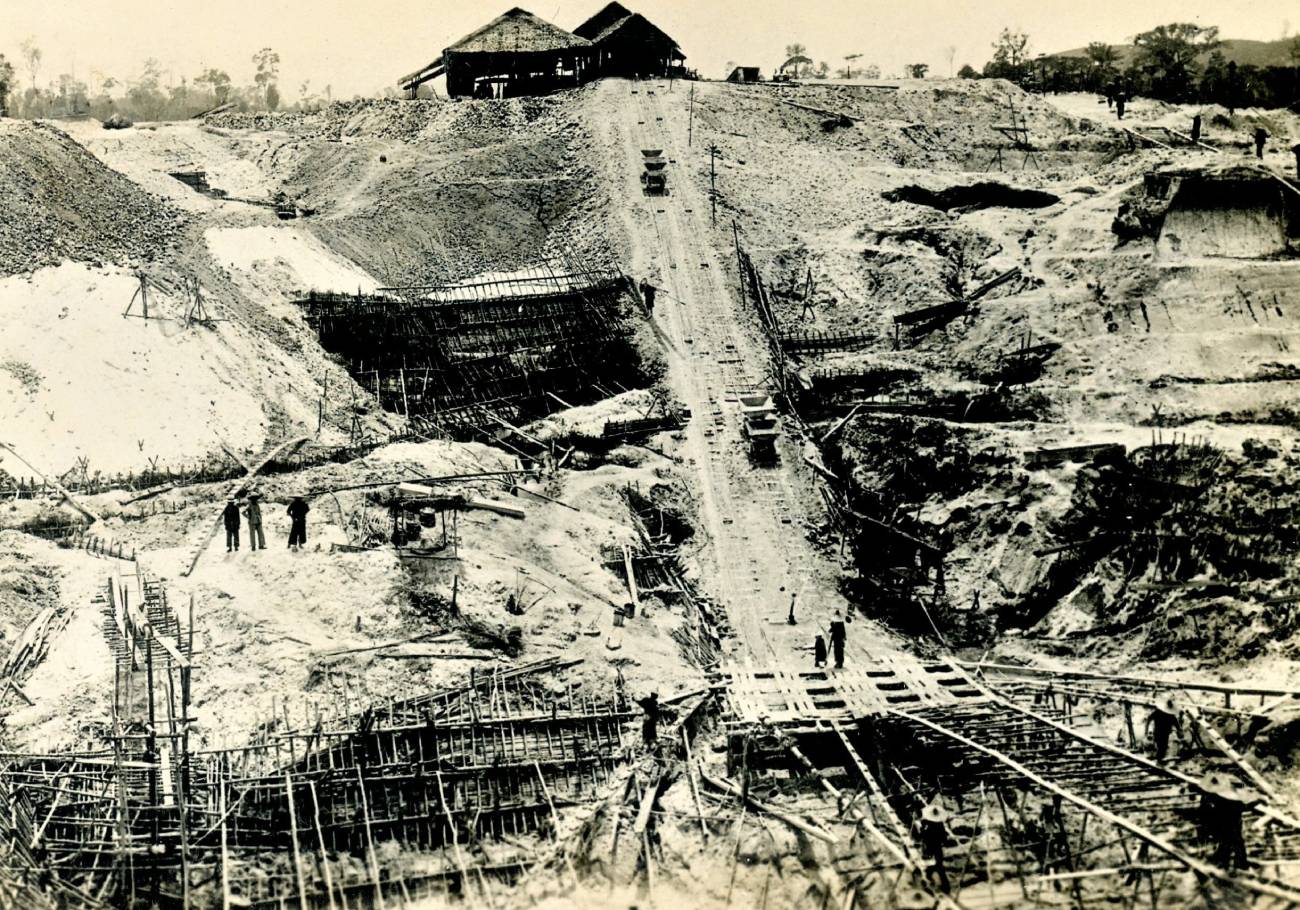
In the 1850s, Serendah was a piece of land that was low and muddy. What changed it was tin. The area was developed due to tin mining activities during the British administration, with Serendah originally acting as a satellite town to the bigger mining centre of Rawang.
The town, located in a valley, became a major producer of tin ore and natural rubber in the early 19th and 20th centuries respectively.
In its heyday, there was even a polo ground, clubhouse and rifle range. These were not the amenities of a backwater — they were the marks of a community confident in its prosperity.
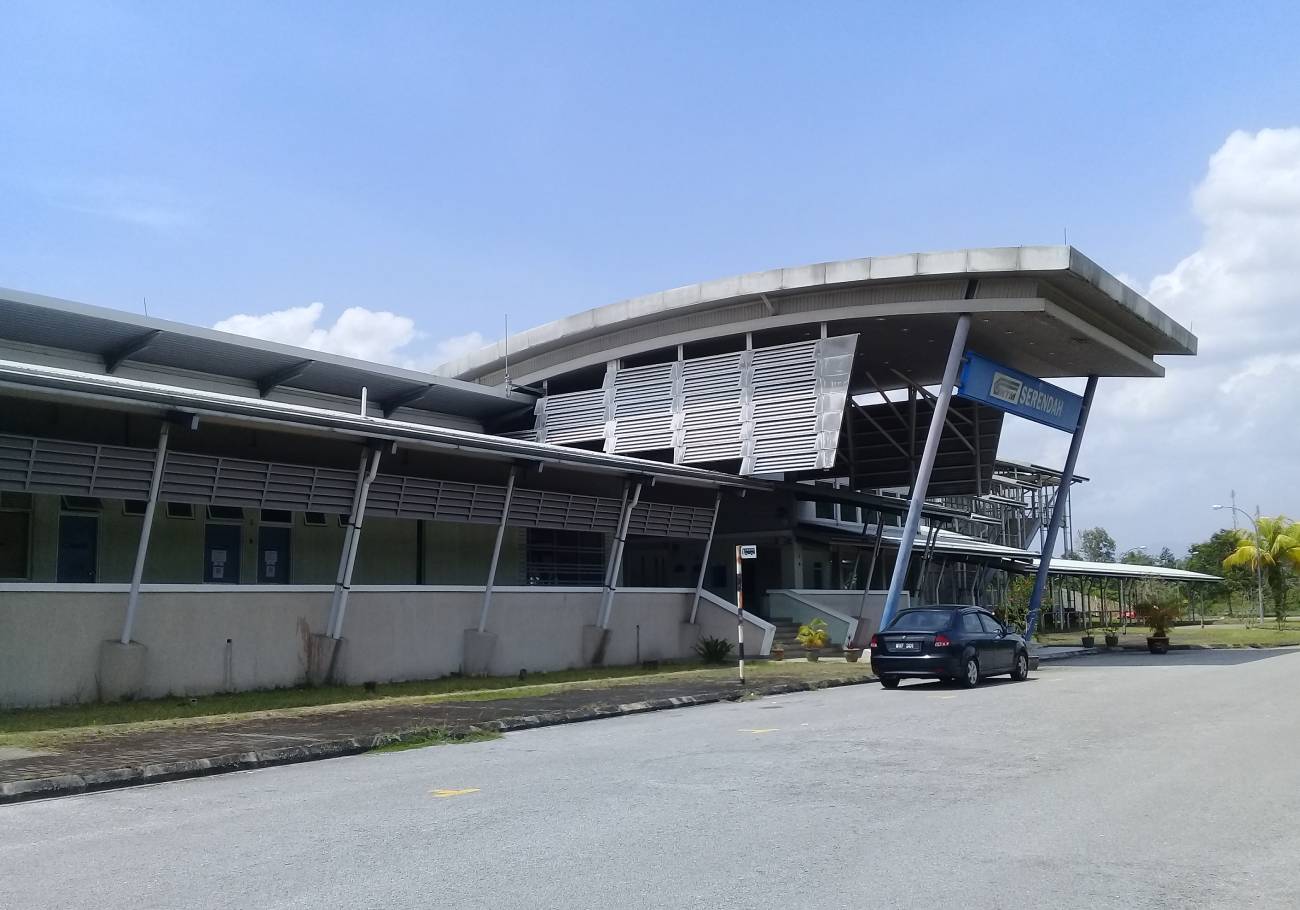
The railway arrived to confirm that confidence. Work continued northwards from Rawang and opened to Serendah on 10 July 1893.
This made Serendah one of the earliest railway stops in Selangor, preceding many towns that today are far better known. The line connected the valley’s tin wealth directly to the port at Klang and, from there, to the world.
Loke Yew — one of the most powerful Chinese merchant figures in colonial Malaya — held 42 mining leases in Serendah in 1903, a detail that underscores just how seriously the colonial economy took this quiet valley.
The seven wells and the flood problem
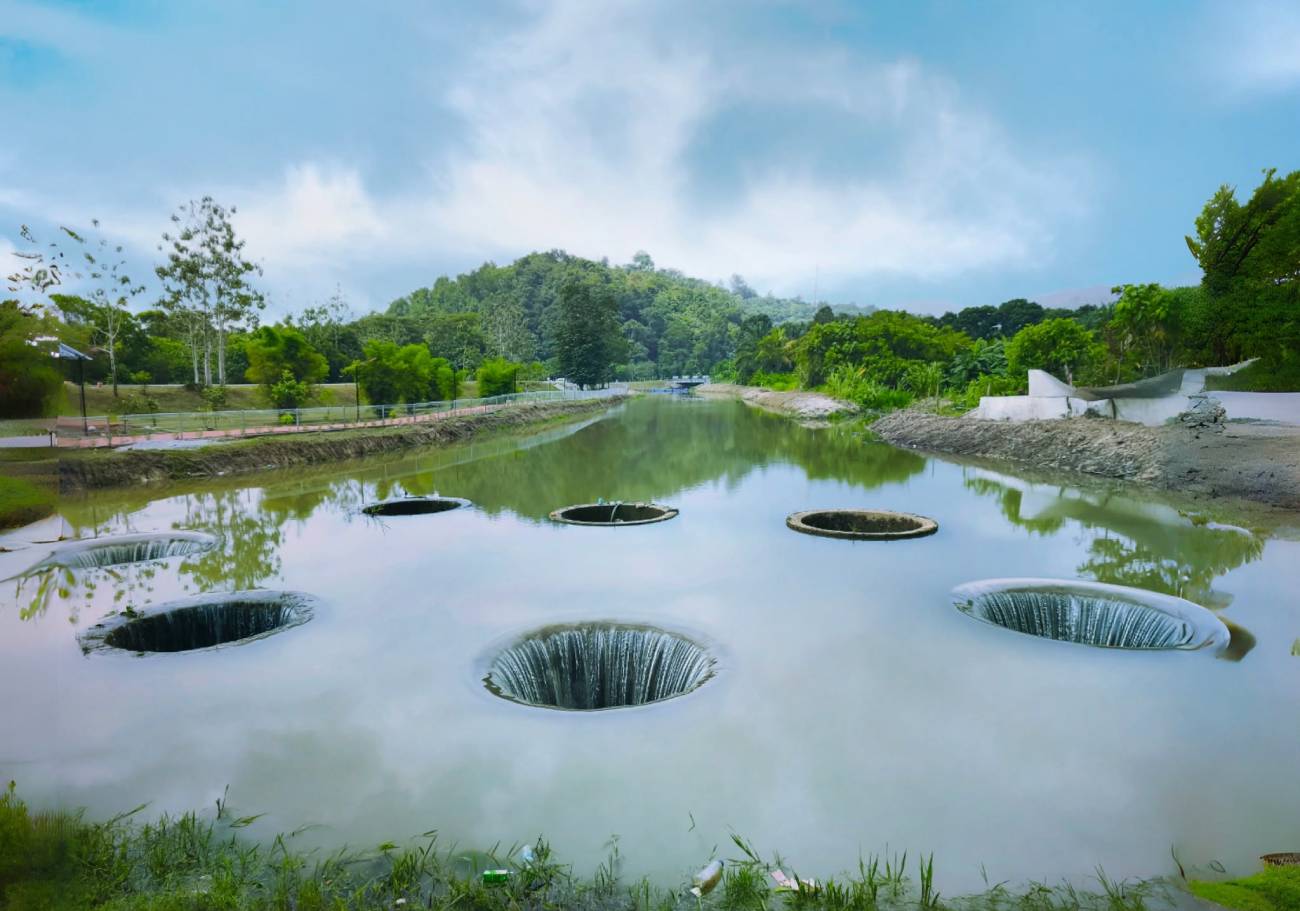
Serendah’s low position was both its fortune and its challenge. The same valley that concentrated alluvial tin deposits also concentrated floodwater. The British response was an unusual piece of engineering — the Perigi Tujuh, or Seven Wells of Serendah.
The seven wells are flood control water gates located in Serendah River. The structure contains seven holes on the upper section of the river for water to flow inside, and seven spillways of different heights for spilling water downstream — used to control the volume of water from tin mining areas upstream.
During heavy rain, the system regulates the surge. In calmer conditions, it becomes something unexpectedly beautiful — water threading through concrete wells in the middle of a river.
The site has since been listed as a National Heritage of Malaysia. It sits upstream from the town, accessible via a short drive past the police station. Most visitors who know about it stumble onto it by accident. Most visitors do not know about it at all.
Serendah: What the old town still holds
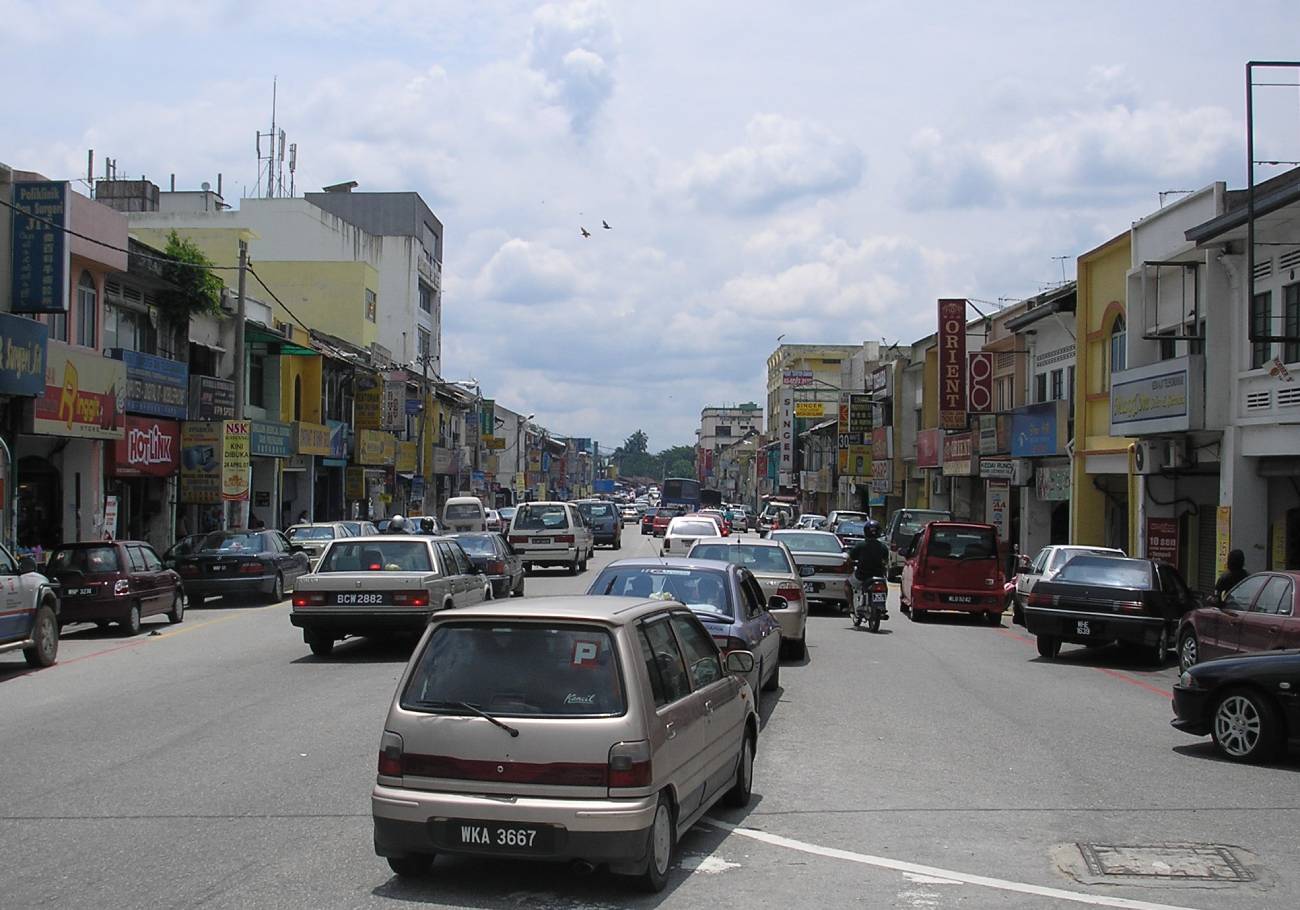
Walk into Serendah’s commercial centre and the pre-war shophouses on Macau Street are still standing. It is the only Macau Street in Malaysia that has retained its original name — a small distinction, but a meaningful one in a country where colonial street names have been systematically replaced.
The religious buildings are older still. Shin See Yeh temple is believed to have been constructed by Yap Ah Loy in 1898 for “nai chang” coolies from the Hakka community.
“Nai chang”, meaning mud in Hakka, describes the coolies as they were often covered in mud from working in the tin mines. The Hock Leng Keng temple nearby dates to 1869.
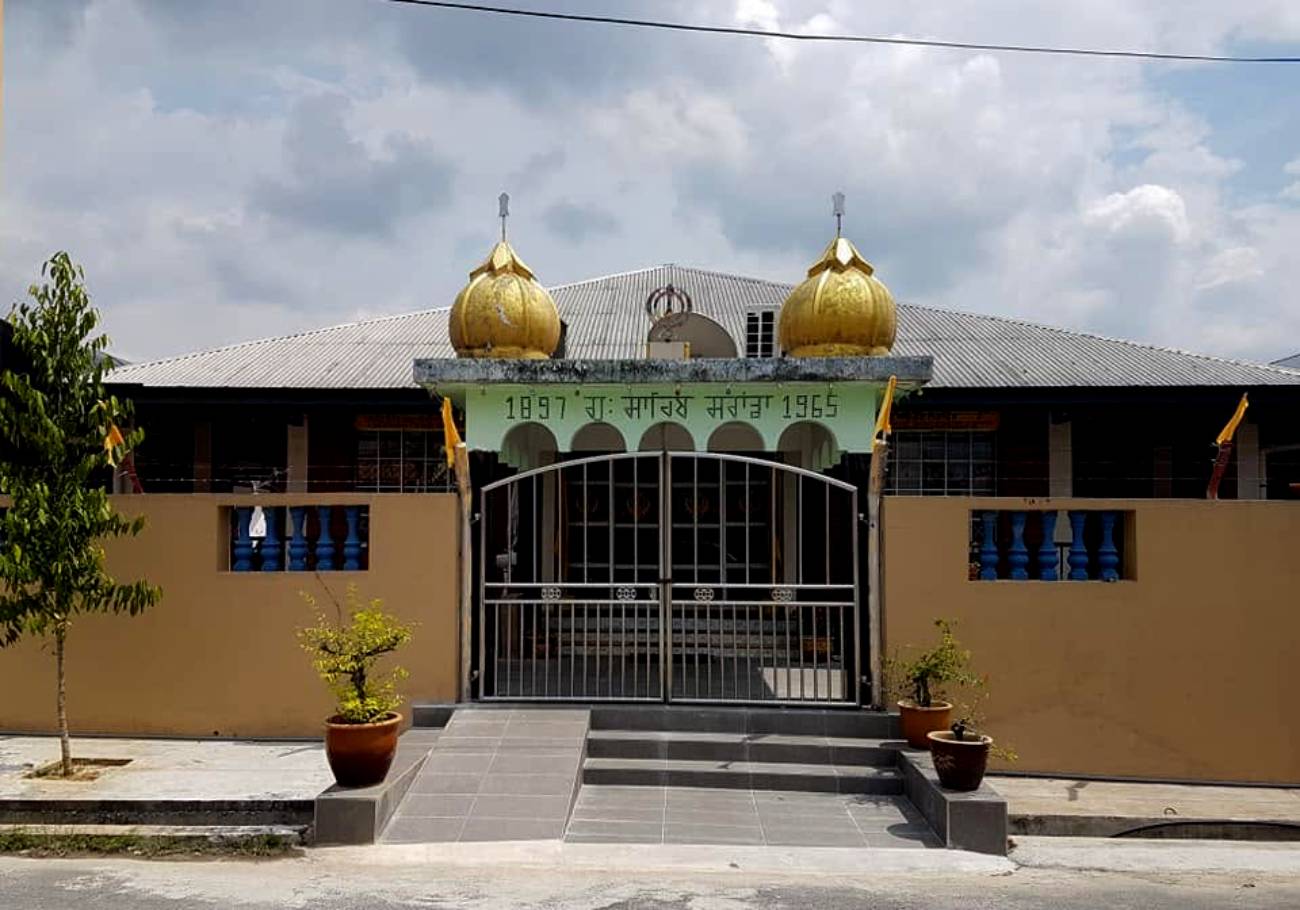
The Gurdwara Nanaksar Serendah traces its origins to the 1890s, when a small Sikh community settled in the town to work as policemen, railway station workers, guards and government servants. The community applied for land from the district officer of Ulu Selangor on 5 July 1897.
Three faith communities, three century-old structures, standing side by side in a single block. That is Serendah’s unremarked social history in physical form.
The town Serendah is becoming
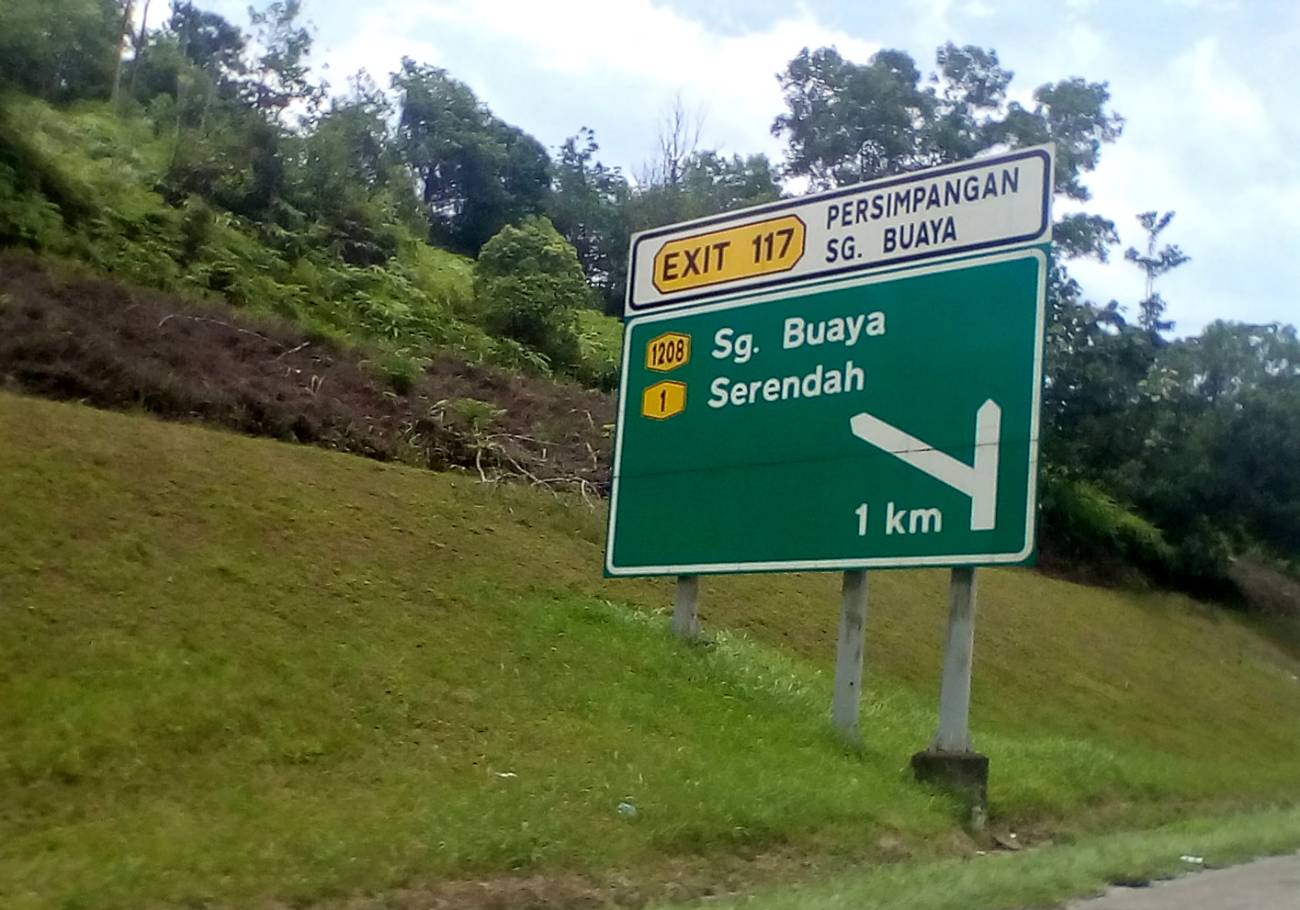
Serendah today is no longer a quiet remnant. It is now among the largest suburbs outside the Kuala Lumpur fringe and the most populated mukim in Hulu Selangor District.
Perodua, one of Malaysia’s national carmakers, is headquartered here. UMW Holdings has developed an industrial city in the area, relocating UMW Equipment and UMW Power Solutions from Shah Alam to Serendah in 2023.
The growth is real and accelerating. But it raises the familiar question facing small towns across Malaysia: whether the heritage layer survives the industrial one. The pre-war shophouses, the century-old temples, the Seven Wells — none of these are guaranteed.
For visitors who want to see Serendah before it fully transforms, local historian Ee Yoke Chan conducts a guided Serendah Heritage Trail covering about 12 locations in the town, priced at RM20 per person. Her book Serendah Then and Now is available for RM30.
The trail takes roughly half a day. The drive from Kuala Lumpur takes under 40 minutes. Some towns reward patience. Serendah rewards a Sunday morning and a willingness to look past the industrial estates.
.

 Sashidaran Gunathevan
 Admin
Admin


Add comment